Search
[give_form id="19690"]

Managing Incontinence Style in the Summer Months

Summer brings sunshine, social events, travel, and warm-weather fashion—but for those managing incontinence, the season can also bring unique challenges. Heat, humidity, and lighter clothing can make it harder to discreetly manage leaks while staying comfortable and confident. But with a few smart style tweaks and self-care strategies, you can enjoy summer without compromise.

Here’s your guide to managing incontinence with style and ease during the warmest months of the year.

1. Choose Breathable, Moisture-Wicking Fabrics

Natural and moisture-wicking fabrics like cotton, linen, and bamboo blends are ideal for summer. They help keep your skin dry and reduce irritation—especially important when wearing protective garments or pads.

Avoid: Heavy synthetics like polyester or rayon, which trap heat and moisture.
Opt for: Loose-fitting dresses, culottes, or wide-leg trousers that allow airflow and comfort.

2. Pick the Right Color Palette

Summer is the perfect time to wear patterns, pastels, and mid-tone colors that disguise leaks better than stark white or very dark tones. Floral prints, stripes, or textured fabrics can be stylish and practical.

Tip: Keep a lightweight wrap, long cardigan, or shirt tied around your waist if you’re concerned about leaks while on the go.

3. Style-Forward Incontinence Underwear

Modern incontinence underwear has come a long way. Today’s options are sleek, absorbent, and often indistinguishable from regular lingerie or briefs. Many come in skin-tone shades or even lace-trimmed versions.

Choose higher-waisted or boyshort styles for better coverage under flowy summer dresses.

4. Use Slimline Pads & Liners for Discretion

In summer, bulky protection can feel uncomfortable. Choose ultra-thin pads designed for incontinence (not menstrual pads—they’re not absorbent enough for bladder leaks).

Look for features like:

  • Odor control

  • Quick-dry top layers

  • Adhesive wings for secure fit

Pack a few extras in a discreet pouch or makeup bag when you’re heading out.

5. Prepare a Summer “Confidence Kit”

Create a small on-the-go essentials kit to stash in your tote or car. Include:

  • Travel-size wipes or cleansing cloths

  • A spare pair of underwear or pad

  • A zip pouch for discreet disposal

  • A travel-size body spray or freshener

This way, you’ll always feel prepared—whether at a picnic, beach, or summer wedding.

6. Hydrate Wisely

It’s tempting to cut back on fluids to avoid leaks, but dehydration can irritate the bladder, worsening symptoms. Instead:

  • Sip water regularly throughout the day

  • Avoid excess caffeine, alcohol, and carbonated drinks

  • Try herbal teas like chamomile or marshmallow root for bladder-soothing benefits

7. Consider Light Bladder Training or Pelvic Floor Exercises

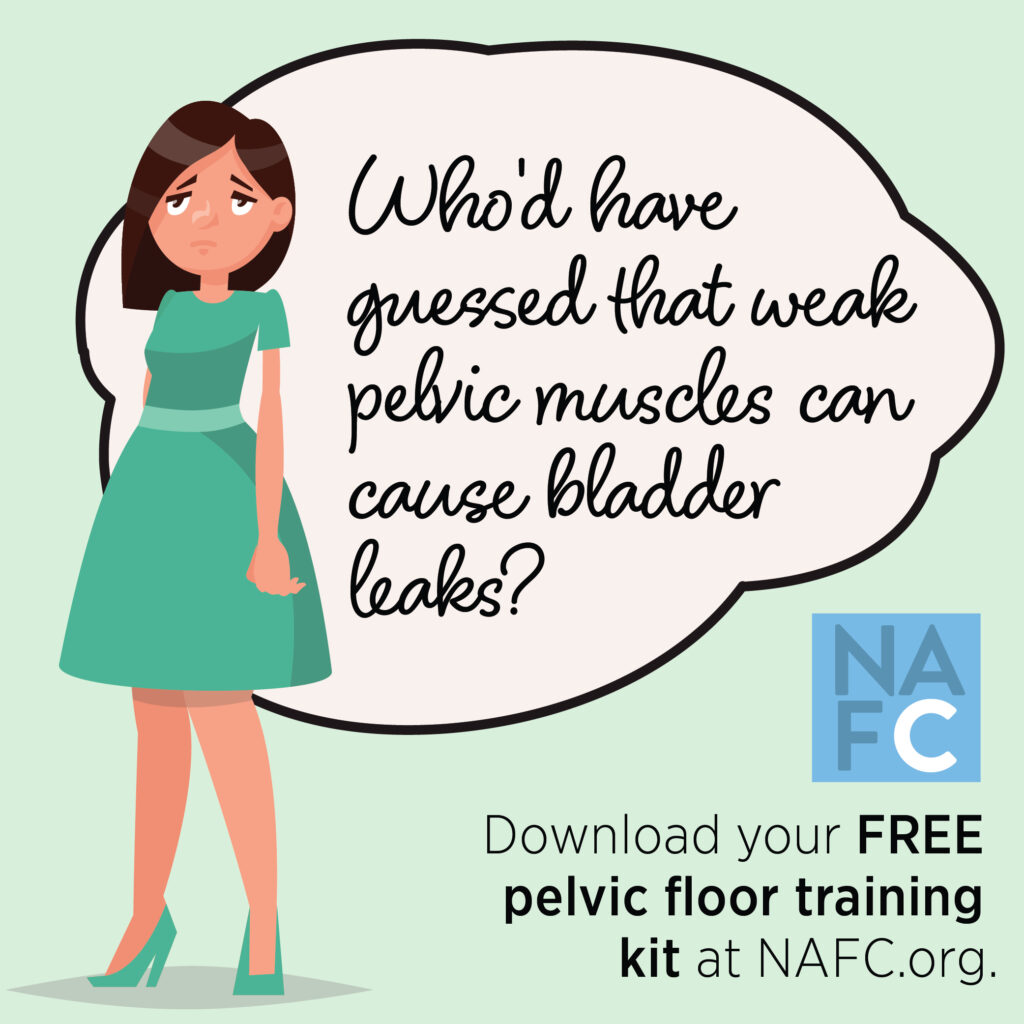
Summer is a great time to incorporate light Kegel exercises or a simple bladder schedule into your routine. You can do pelvic floor strengthening anywhere—poolside, on a walk, or while sitting at brunch!

Bonus: Stronger pelvic muscles may reduce leakage and improve overall confidence.

8. Don’t Let Leaks Limit You

With the right tools and mindset, incontinence doesn’t have to hold you back from enjoying summer adventures—whether you’re swimming, hiking, or simply lounging in the sun.

Swimwear Tip: Some brands offer incontinence swimwear with built-in protection, perfect for beach days or pool parties.

Mindset Tip: You’re not alone. Millions manage incontinence. Empower yourself with knowledge and preparation—not shame.

Summer should be about freedom, fun, and confidence—not fear of leaks. With breathable clothes, stylish protection, and a little smart planning, you can embrace the season fully and fashionably.

Whether you’re jetting off to a sunny getaway or hosting backyard barbecues, remember: incontinence management can be discreet, dignified, and even stylish.

Comments

One Response

  1. I get frequent UTIs along with my incontinence. My docs have always advised to take showers, not baths, to avoid infection. When I mentioned taking my young dog to a lake to learn how to swim, she said, “but you aren’t going in, right?” 🙁 it’s probably been ten years since the last time I waded in further than my knees! Is there any hope of going in the water again for us chronic UTI-ers?

Leave a Reply

Your email address will not be published. Required fields are marked *

This site uses Akismet to reduce spam. Learn how your comment data is processed.

Related Articles

Five women of varying ages stand close together, smiling and laughing. The text discusses vital conversations on health—from postpartum to incontinence after prostate cancer surgery—on the Life Without Leaks NAFC podcast.

From Postpartum to Postmenopause: The Conversations Women Need to Have

In this episode of Life Without Leaks, we’re joined by Dr. Barbara Frank of Harvard Medical School and Brigham and Women’s Hospital, along with Alex Fennell, co-founder of Attn: Grace, an innovative manufacturer of incontinence products.

Together, we explore the realities of bladder leaks and pelvic floor health during pregnancy, postpartum recovery, perimenopause and menopause, and we discuss why more women are finally beginning to talk more openly about their experiences.

The conversation covers:
• The connection between hormones, menopause and bladder leaks
• Why pelvic floor therapy is having a major moment
• The surprising relationship between pelvic floor tension and incontinence
• How products can impact skin health, comfort and UTIs
• The truth about hormone replacement therapy
• Why community and conversation matter so much in women’s health

Alex also shares the story behind Attn: Grace and the company’s mission to create cleaner, plant-based incontinence products designed to support women with comfort, dignity and confidence.

Whether you’re navigating postpartum recovery, menopause symptoms or simply looking to better understand pelvic health, this episode offers expert insights, practical advice and an encouraging reminder that no one should feel alone in these experiences.

A person sitting on a beige bath mat is placing an incontinence pad into their underwear for skin protection. A box labeled Attn: Grace with blue designs sits on the mat nearby.

Ask The Expert: From A Doctor’s Perspective What Are Some Common Questions You Hear?

If you’ve ever sneezed and held your breath hoping for the best, you’re not alone. Bladder leaks, pelvic floor issues, and the constellation of symptoms that go with them are incredibly common — and incredibly under-discussed. We sat down with two of our favorite experts who are changing the bladder leak conversation: Dr. Barbara Frank, Attn: Grace medical advisor and board certified OB/GYN, and Dr. Sara Reardon, pelvic floor physical therapist (and the woman your pelvic floor has been waiting to meet). They took turns asking each other the questions their patients ask most — and answered them with the same candor they bring to the exam room. They cover everything from how to prepare for postpartum, to what question to ask your own pelvic floor PT, to how to manage incontinence during menopause. This is a knowledge drop you don’t want to miss.

Two older women smiling and walking together on a sunny neighborhood sidewalk, one holding a coffee cup. Both enjoy the confidence provided by discreet incontinence products for women. Trees and houses line the street in the background.

How Aging Changes Bladder Control — What Most People Don’t Expect

As an RN who’s worked in geriatrics for over 14 years, I know first hand that changes in bladder control can be a common part of aging. However, what I’ve also learned is that the treatment and management of these changes differ depending on whether they are due to aging or other conditions.
If you’re experiencing more frequent trips to the bathroom or sudden, intense urges to urinate, you might be wondering what is going on and what you can do about it. Let’s talk through some of the changes that might be going on in your body and how you can be better prepared to manage your bladder control.

Five women of varying ages stand close together, smiling and laughing. The text discusses vital conversations on health—from postpartum to incontinence after prostate cancer surgery—on the Life Without Leaks NAFC podcast.

From Postpartum to Postmenopause: The Conversations Women Need to Have

In this episode of Life Without Leaks, we’re joined by Dr. Barbara Frank of Harvard Medical School and Brigham and Women’s Hospital, along with Alex Fennell, co-founder of Attn: Grace, an innovative manufacturer of incontinence products.

Together, we explore the realities of bladder leaks and pelvic floor health during pregnancy, postpartum recovery, perimenopause and menopause, and we discuss why more women are finally beginning to talk more openly about their experiences.

The conversation covers:
• The connection between hormones, menopause and bladder leaks
• Why pelvic floor therapy is having a major moment
• The surprising relationship between pelvic floor tension and incontinence
• How products can impact skin health, comfort and UTIs
• The truth about hormone replacement therapy
• Why community and conversation matter so much in women’s health

Alex also shares the story behind Attn: Grace and the company’s mission to create cleaner, plant-based incontinence products designed to support women with comfort, dignity and confidence.

Whether you’re navigating postpartum recovery, menopause symptoms or simply looking to better understand pelvic health, this episode offers expert insights, practical advice and an encouraging reminder that no one should feel alone in these experiences.