

Most incontinence products on the market were made for Light Bladder Leakage (LBL), such as the occasional drip or the small dribble triggered by a sneeze or laugh. For millions of people, that’s not the full story. Heavy Bladder Leaks (HBL) involve larger volumes and/or multiple full releases throughout the day or night. Store-brand products, even those labeled “maximum” or “overnight”, aren’t designed to handle that level of need.
If products keep failing, it can start to feel personal. But when a product was never built for your reality in the first place, that’s not a personal failure. It’s a product gap.
Understanding the difference between LBL and HBL is the first step toward finding trusted protection that actually works.
What is Light Bladder Leakage (LBL)?
Light Bladder Leakage is exactly what it sounds like: small, sporadic leaks that are often triggered by physical activity, sneezing, laughing, or coughing (the “giggle dribble”). LBL is the most common form of incontinence and is what the majority of incontinence products on the market are designed to address.
Signs you may be managing LBL:
- Occasional drips or small dribbles
- Leaks tied to specific, predictable triggers
- Minimal disruption to daily routines with the right light protection
- Manageable with panty liners, light pads, or bladder control inserts
LBL is common, manageable, and often well-served by most products found at a pharmacy or big box retailer.
What Are Heavy Bladder Leaks (HBL)?
HBL is not just LBL happening more often. HBL refers to moderate to severe bladder leaks that involve larger volumes of urine loss — leaks that can occur throughout the day and night, often with little or no warning. HBL can be caused by conditions such as neurogenic bladder, overactive bladder, or the use of diuretics that increase urine output. Bowel incontinence is also typically categorized as heavy.
Signs you may be managing HBL:
- Frequent or uncontrollable leaks with larger volumes
- Multiple full bladder releases throughout the day or night
- Leaks that occur with little or no warning
- Soaking through products labeled “maximum” or “overnight”
- Disrupted sleep due to nighttime leakage
- Planning daily activities around bathroom access and product changes
If this sounds familiar, the problem likely isn’t you. It’s that the products being used were never designed for HBL in the first place.
The Label Problem: Why “Maximum” Isn’t Always Maximum
Here’s something the incontinence industry doesn’t advertise: terms like “Maximum,” “Ultra,” “Supreme,” and “Overnight” are marketing labels — not standardized performance categories. There is no consistent definition behind any of them, and most store-brand products that carry these labels are still primarily engineered for LBL.
That means a product promising “maximum absorbency” at your local pharmacy may be designed to handle a single void — not the multiple full releases that define HBL. When a product built for light leaks meets the reality of heavy ones, it’s going to fall short.
According to an independent study*, 74% of incontinence product buyers say their symptoms are more than drips and dribbles, yet store brands remain the default option for most. And approximately 90% of incontinence patients report feeling isolated, depressed, or hopeless** — a sobering reminder that the wrong product doesn’t just cause leaks, it erodes confidence and quality of life.
What to Look for in Protection Built for HBL
If you’re managing heavy bladder leaks, here’s what to look for in a product that can actually keep up:
- High absorbency designed for full voids — not just occasional drips
- Multi-void capacity: protection that continues to perform through two to three full releases before a change is needed
- A secure fit, such as leak guards, leg cuffs, and waistband elastics that contain heavier leaks
- Extended wear time — all-day or overnight protection without constant changes
- Quick-wicking cores that move moisture away from the skin and reduce the risk of irritation
Solutions Built for HBL
NorthShore Adult Diapers is the only brand of adult diapers and incontinence supplies designed specifically for HBL — helping people reduce changes, sleep through the night, and focus on life instead of leaks. NorthShore incontinence products feature MVP™ (Multi-Void Protection) technology, quickly wicking fluid away in the absorbent core to keep skin dry through 2-3 full bladder releases.
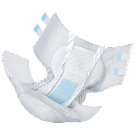 Tab-Style Adult Diapers (aka Overnight Briefs): Adult diapers with refastenable tabs, such as MegaMax®, provide up to 12 hours of protection for HBL — all day or all night without constant changes. Customer Favorite: MegaMax® HBL Adult Diapers
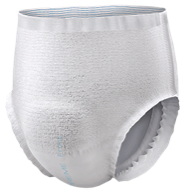 Pull-Up Style Incontinence Underwear: Pull-up style underwear, such as GoSupreme®, delivers up to 10 hours of protection in a soft, breathable design that moves with the body during active use. Customer Favorite: GoSupreme® HBL Pull-On Underwear
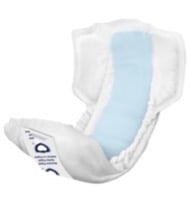 Liners and Guards: Pad-style liners, such as DynaDry Supreme® Unisex Liners, can be worn inside regular underwear and provide heavy-duty protection for a range of leak levels.
Customer favorite: DynaDry® Supreme Super Absorbent Liners
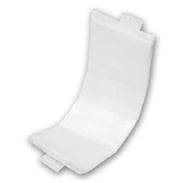 Booster Pads: Flow-through booster pads, such as EternaDry®, are designed for use inside adult diapers or pull-up underwear to extend absorbency and time between changes.
Customer favorite: EternaDry® Booster Pads
Not sure whether you’re managing LBL or HBL — or which product is right for you? NorthShore’s Care Experts are real people available seven days a week, offering 100% judgment-free guidance to help find the right products, styles, and sizes. Call or text 800-563-0161, or connect online. Prefer to try before you commit? The NorthShore Sample Program lets you choose up to six free samples — just pay shipping. Orders placed before 7pm Central ship discreetly the same day.



One Response
how do I buy pads?