
Finding the Right Fit: Why Size Matters With Incontinence Products
In this episode of Life Without Leaks, we welcome registered nurse and health writer Brooke Schmidt for a practical conversation about selecting and using absorbent products. Drawing on more than a decade of nursing experience, Brooke explains how to measure for a proper fit, why sizing varies between products, and what to consider when shopping for plus-size options.

Managing Male Bladder Leaks in Everyday Life: A Practical Guide to Comfort, Fit, and Discretion
A few drops after leaving the bathroom. Leakage when you cough or lift something. A sudden urge that makes it difficult to reach the restroom in time.
Bladder leaks can show up in different ways, and even a small leak may change how you feel about a commute, a meeting, a walk, or a night away from home. Understanding your pattern of leakage can help you find both appropriate medical care and a daily routine that works for you.

Ask The Expert: How Can I Manage The Odors, Furniture Stains & Skin Irritation With Leaks?
Helping a loved one manage heavy to severe incontinence can be physically and emotionally demanding, and it’s natural to worry about whether you’re doing enough to support and protect them. While incontinence is often unpredictable, there are many practical steps you can take to maintain your loved one’s comfort, dignity and well-being while also protecting your home from unexpected accidents.

Finding the Right Fit: Why Size Matters With Incontinence Products
In this episode of Life Without Leaks, we welcome registered nurse and health writer Brooke Schmidt for a practical conversation about selecting and using absorbent products. Drawing on more than a decade of nursing experience, Brooke explains how to measure for a proper fit, why sizing varies between products, and what to consider when shopping for plus-size options.

Managing Male Bladder Leaks in Everyday Life: A Practical Guide to Comfort, Fit, and Discretion
A few drops after leaving the bathroom. Leakage when you cough or lift something. A sudden urge that makes it difficult to reach the restroom in time.
Bladder leaks can show up in different ways, and even a small leak may change how you feel about a commute, a meeting, a walk, or a night away from home. Understanding your pattern of leakage can help you find both appropriate medical care and a daily routine that works for you.

Male Stress Urinary Incontinence After Prostate Treatment: Why Early Action Matters
Male stress urinary incontinence is one of the most common challenges men face after prostate surgery or radiation. While the primary focus is understandably on treating cancer, many men find that bladder leakage becomes the most persistent issue during recovery.
After cancer control, regaining bladder control is often the next priority. Until continence improves, it can be difficult to return to normal daily activities, and many men focus on this before addressing other aspects of recovery, including sexual function.

Incontinence & Intimacy: Reconnecting After Bladder Leaks
For many people, sex and intimacy is about far more than physical closeness. It’s about confidence, connection, vulnerability, and feeling comfortable in your own body.
When urinary incontinence enters the picture, those feelings can quietly change.
While often discussed as a physical condition, incontinence can deeply affect emotional well-being and romantic relationships, something many people experience but few talk about openly.

The Financial Impact of Incontinence: Costs You May Not See
Incontinence is often discussed in terms of symptoms and quality of life but for many people, it also brings a steady (and sometimes surprising) financial burden. Beyond the obvious cost of pads, protective underwear, and skin-care products, there can be added expenses from laundry, missed work, caregiving needs, and medical visits. The good news: understanding where the costs come from is the first step toward reducing them—and getting the right treatment can be a cost-saver, not just a health improvement.

Speaking Up About Incontinence
For many people living with bladder leaks, the hardest part isn’t the symptoms themselves.
It’s deciding to talk about them.
Bladder leaks can feel too small to mention, too embarrassing to explain, or not “serious enough” to justify a doctor’s visit. Many people quietly manage symptoms for years—adjusting their routines, limiting activities, and hoping things don’t get worse.
If this sounds familiar, you’re not alone. And you’re not wrong for feeling this way.

Why Bladder Health Matters More as We Age
While occasional bladder leaks, urgency, and nighttime bathroom trips are often dismissed as a normal part of aging, these symptoms can have serious consequences. Beyond the inconvenience and embarrassment they may cause, bladder problems can increase the risk of falls, social isolation, sleep disruption, and declining overall health.

UTI and Your Period: What You Need to Know
If you menstruate, experiencing a UTI while on your period can be an uncomfortable experience.
While a menstrual period may bring pain, pelvic pressure, and make you feel like you need to urinate more, a UTI can tack on additional symptoms.
Feeling a sudden, strong urge to use the restroom, burning when you pee, noticing cloudy urine, or pain that feels different than your usual cramps shouldn’t be ignored.
Keep reading to find out the relationship between UTIs and your period. Plus, learn what to do if you suspect you may have a urinary tract infection during your cycle.
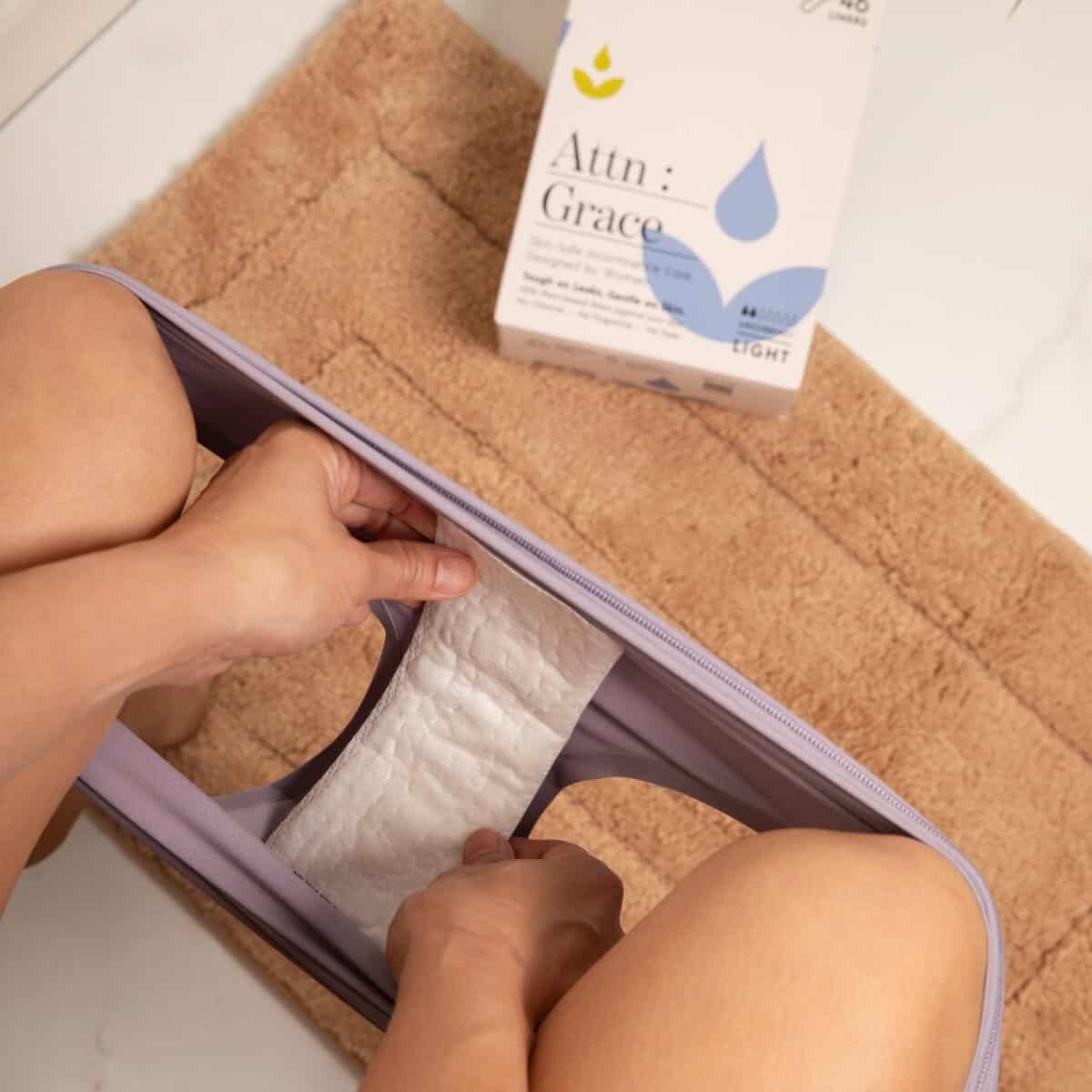
Ask The Expert: From A Doctor’s Perspective What Are Some Common Questions You Hear?
If you’ve ever sneezed and held your breath hoping for the best, you’re not alone. Bladder leaks, pelvic floor issues, and the constellation of symptoms that go with them are incredibly common — and incredibly under-discussed. We sat down with two of our favorite experts who are changing the bladder leak conversation: Dr. Barbara Frank, Attn: Grace medical advisor and board certified OB/GYN, and Dr. Sara Reardon, pelvic floor physical therapist (and the woman your pelvic floor has been waiting to meet). They took turns asking each other the questions their patients ask most — and answered them with the same candor they bring to the exam room. They cover everything from how to prepare for postpartum, to what question to ask your own pelvic floor PT, to how to manage incontinence during menopause. This is a knowledge drop you don’t want to miss.