Search
[give_form id="19690"]

Doing Kegel Exercises After Childbirth


I gave birth to my first little bundle of joy a year ago.  My pregnancy was a dream – no morning sickness, no stretch marks – it was a total breeze, apart from the occasional leaks I had leading up to the birth. I had heard leaks were totally normal though, and figured that after the baby came, everything would go back to the way it was before, so I didn’t really give them much thought.

After my baby was born, things changed dramatically. Suddenly, I was dealing with breastfeeding problems, sleepless nights, and a fussy baby that needed me 24-7. Not to mention those little leaks that I had before baby came – they were still lingering and I found myself changing my own pants almost as often as I was changing my baby. Every sneeze, laugh, and jump, caused me to leak and it really started to get me down. After all, I was in the middle of learning a new job – the most important job of my life, being a mom – and I couldn’t even get my own body to behave appropriately.

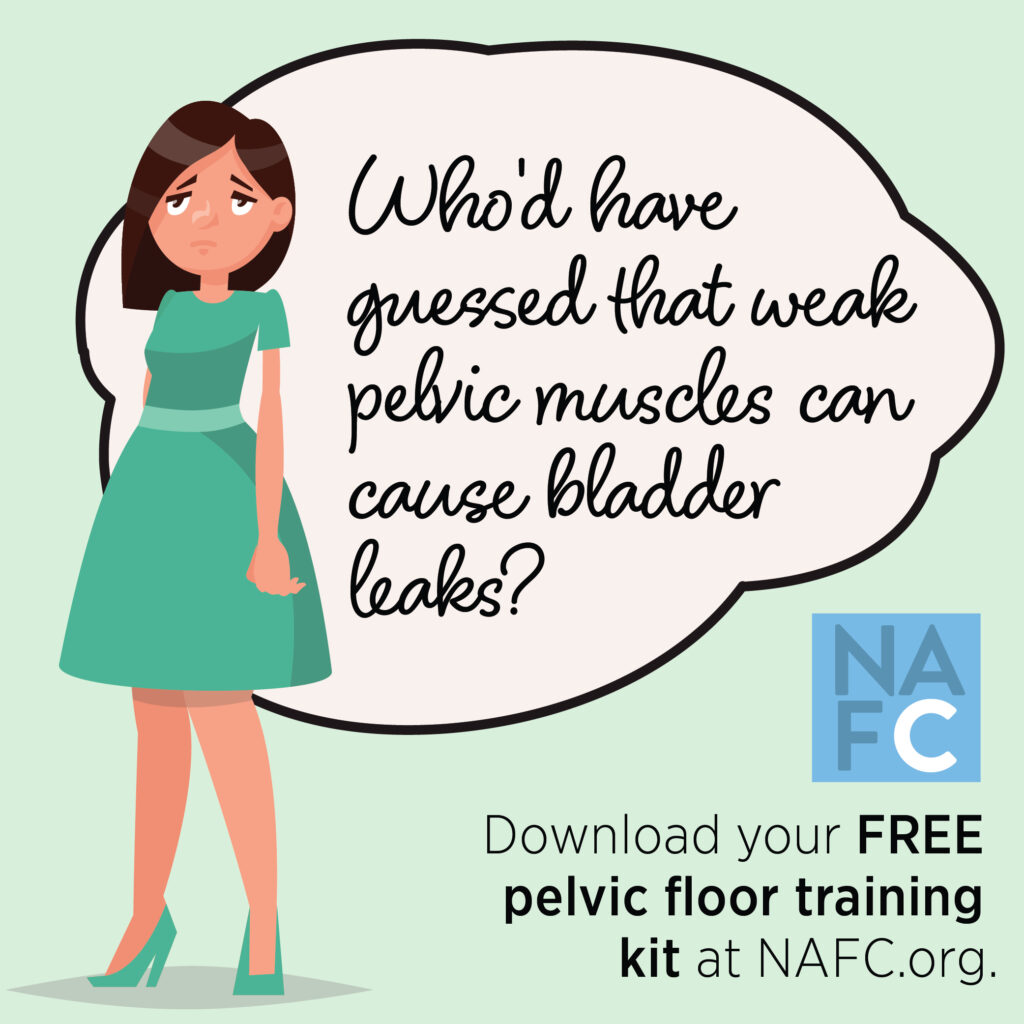
I finally talked to my doctor about it and he recommended physical therapy. I didn’t even know that was an option!  But, turns out that strengthening your core and  your pelvic floor muscles can really help control your bladder. This was great, because I wasn’t prepared to undergo surgery (not recommended if you’re planning on having more kids, like I am), and was really hoping to find a more natural option. So this seemed like a perfect fit for me.

My therapist started by reviewing my anatomy and showing me how all my muscles are connected. She also told me that I had diastasis recti, which is when your stomach muscles separate during pregnancy. This can really weaken your core, which affects your pelvic floor muscles too. She showed me exercises to help bring these muscles back together and strenghten my core. After baby, it’s also important to do your kegels to help get your strength back – my therapist told me that this would help me control those little leaks that I had when I placed stress on my bladder (like when I coughed, sneezed, or laughed).

It’s been 6 months since I started physical therapy and I’m happy to say that I’m leak free! I feel stronger and more in control of my body, and, more importantly, I feel better able to focus on and care for my growing baby.

I’m so happy I sought help. It makes me feel empowered, and better prepared to handle future pregnancies and babies.

New moms – don’t keep quite about this. Talk to your doctor and get help. There’s no need to suffer in silence.

Merrell N., Austin, TX


SUI Treatment Tracker

SIGN UP TO RECEIVE THE SUI TREATMENT TRACKER!

Have you started treatment for SUI? Sign up to receive our SUI Treatment Tracker and keep track of your progress! This 6 week program will help keep you on track and will help determine how your treatment is working.

Comments

Leave a Reply

Your email address will not be published. Required fields are marked *

This site uses Akismet to reduce spam. Learn how your comment data is processed.

Related Articles

Five women of varying ages stand close together, smiling and laughing. The text discusses vital conversations on health—from postpartum to incontinence after prostate cancer surgery—on the Life Without Leaks NAFC podcast.

From Postpartum to Postmenopause: The Conversations Women Need to Have

In this episode of Life Without Leaks, we’re joined by Dr. Barbara Frank of Harvard Medical School and Brigham and Women’s Hospital, along with Alex Fennell, co-founder of Attn: Grace, an innovative manufacturer of incontinence products.

Together, we explore the realities of bladder leaks and pelvic floor health during pregnancy, postpartum recovery, perimenopause and menopause, and we discuss why more women are finally beginning to talk more openly about their experiences.

The conversation covers:
• The connection between hormones, menopause and bladder leaks
• Why pelvic floor therapy is having a major moment
• The surprising relationship between pelvic floor tension and incontinence
• How products can impact skin health, comfort and UTIs
• The truth about hormone replacement therapy
• Why community and conversation matter so much in women’s health

Alex also shares the story behind Attn: Grace and the company’s mission to create cleaner, plant-based incontinence products designed to support women with comfort, dignity and confidence.

Whether you’re navigating postpartum recovery, menopause symptoms or simply looking to better understand pelvic health, this episode offers expert insights, practical advice and an encouraging reminder that no one should feel alone in these experiences.

A person sitting on a beige bath mat is placing an incontinence pad into their underwear for skin protection. A box labeled Attn: Grace with blue designs sits on the mat nearby.

Ask The Expert: From A Doctor’s Perspective What Are Some Common Questions You Hear?

If you’ve ever sneezed and held your breath hoping for the best, you’re not alone. Bladder leaks, pelvic floor issues, and the constellation of symptoms that go with them are incredibly common — and incredibly under-discussed. We sat down with two of our favorite experts who are changing the bladder leak conversation: Dr. Barbara Frank, Attn: Grace medical advisor and board certified OB/GYN, and Dr. Sara Reardon, pelvic floor physical therapist (and the woman your pelvic floor has been waiting to meet). They took turns asking each other the questions their patients ask most — and answered them with the same candor they bring to the exam room. They cover everything from how to prepare for postpartum, to what question to ask your own pelvic floor PT, to how to manage incontinence during menopause. This is a knowledge drop you don’t want to miss.

Two older women smiling and walking together on a sunny neighborhood sidewalk, one holding a coffee cup. Both enjoy the confidence provided by discreet incontinence products for women. Trees and houses line the street in the background.

How Aging Changes Bladder Control — What Most People Don’t Expect

As an RN who’s worked in geriatrics for over 14 years, I know first hand that changes in bladder control can be a common part of aging. However, what I’ve also learned is that the treatment and management of these changes differ depending on whether they are due to aging or other conditions.
If you’re experiencing more frequent trips to the bathroom or sudden, intense urges to urinate, you might be wondering what is going on and what you can do about it. Let’s talk through some of the changes that might be going on in your body and how you can be better prepared to manage your bladder control.

Five women of varying ages stand close together, smiling and laughing. The text discusses vital conversations on health—from postpartum to incontinence after prostate cancer surgery—on the Life Without Leaks NAFC podcast.

From Postpartum to Postmenopause: The Conversations Women Need to Have

In this episode of Life Without Leaks, we’re joined by Dr. Barbara Frank of Harvard Medical School and Brigham and Women’s Hospital, along with Alex Fennell, co-founder of Attn: Grace, an innovative manufacturer of incontinence products.

Together, we explore the realities of bladder leaks and pelvic floor health during pregnancy, postpartum recovery, perimenopause and menopause, and we discuss why more women are finally beginning to talk more openly about their experiences.

The conversation covers:
• The connection between hormones, menopause and bladder leaks
• Why pelvic floor therapy is having a major moment
• The surprising relationship between pelvic floor tension and incontinence
• How products can impact skin health, comfort and UTIs
• The truth about hormone replacement therapy
• Why community and conversation matter so much in women’s health

Alex also shares the story behind Attn: Grace and the company’s mission to create cleaner, plant-based incontinence products designed to support women with comfort, dignity and confidence.

Whether you’re navigating postpartum recovery, menopause symptoms or simply looking to better understand pelvic health, this episode offers expert insights, practical advice and an encouraging reminder that no one should feel alone in these experiences.