

Enjoying the Holidays With Confidence: How to Manage Incontinence During the Festive Season
The holidays are meant to feel magical, full of cozy gatherings, good food, sparkling lights, and time with the people who matter most. But if you live with incontinence, this season can sometimes bring a mix of excitement and worry. Longer days out, richer meals, cold weather, and busy schedules can make symptoms feel a little less predictable.
Still, it is possible to enjoy the celebrations without feeling held back. With some gentle planning and a few smart habits, you can move through the season with comfort and confidence. Think of this guide as a practical, kind, and warm companion, here to help you feel at ease no matter where the holidays take you.
Understanding the Holiday Challenges of Incontinence
Lifestyle Changes
During the holidays, daily routines often shift. Bedtimes change, meal times stretch, and activities become a little less structured. These small changes can influence bladder patterns, making urgency or frequency more noticeable. Understanding this helps you prepare instead of feeling caught off guard.
More Rich Food and Festive Drinks
Holiday meals often include creamy dishes, sparkling beverages, spiced snacks, and sweet cocktails. These flavors are part of the fun, but they can sometimes make bladder symptoms feel a little less predictable. You do not need to skip them. Enjoying smaller portions or pacing yourself can help you stay comfortable while still savoring the holiday meals you love.
Cold Weather
Winter air can trigger sudden urges, especially when moving between warm indoors and chilly outdoors. Outdoor events like tree lighting, caroling, or market strolling are lovely but they may mean fewer restroom options. Dressing warmly and planning ahead helps keep your bladder calm during colder moments.
Heightened Stress
Even the happiest holidays can feel overwhelming, especially when you are shopping, hosting, traveling, or juggling family traditions. Stress can make the bladder feel more sensitive, especially when your days are full. Taking small moments to breathe, rest, or simply slow down can make a surprising difference in how your body feels and help you stay grounded throughout the season.
Plan Ahead: The Key to Holiday Confidence
Create a Personal Management Plan
A simple plan can help you feel grounded in any busy moment. Think about your triggers, how long you’ll be out, and where the restrooms will be. Knowing this ahead of time creates comfort and confidence so you can focus on enjoying your time, not worrying about logistics.
Pack a “Holiday Readiness Kit”
A small, discreet kit can make every outing feel easier. You might include:
- Your preferred pads or protective underwear
- Flushable or personal wipes
- Disposable bags
- Travel-size barrier cream
- Any incontinence medication you use
Just knowing you have what you need can lift a huge weight off your shoulders.
Know Your Environment
Before heading out, take a quick look at the venue or ask your host where the restroom is located. This simple step can help you relax and enjoy the moment without feeling anxious about sudden urges.
Communicate When Needed
You don’t need to announce anything to the room, but telling one trusted person can help. Whether it’s a partner, sibling, or close friend, having someone who understands your needs adds comfort and support to long events or travel days.
Choose the Right Incontinence Products for Holiday Comfort
Finding products that feel good on your skin and fit your lifestyle can make the holidays feel easier.
Match the Product to the Situation
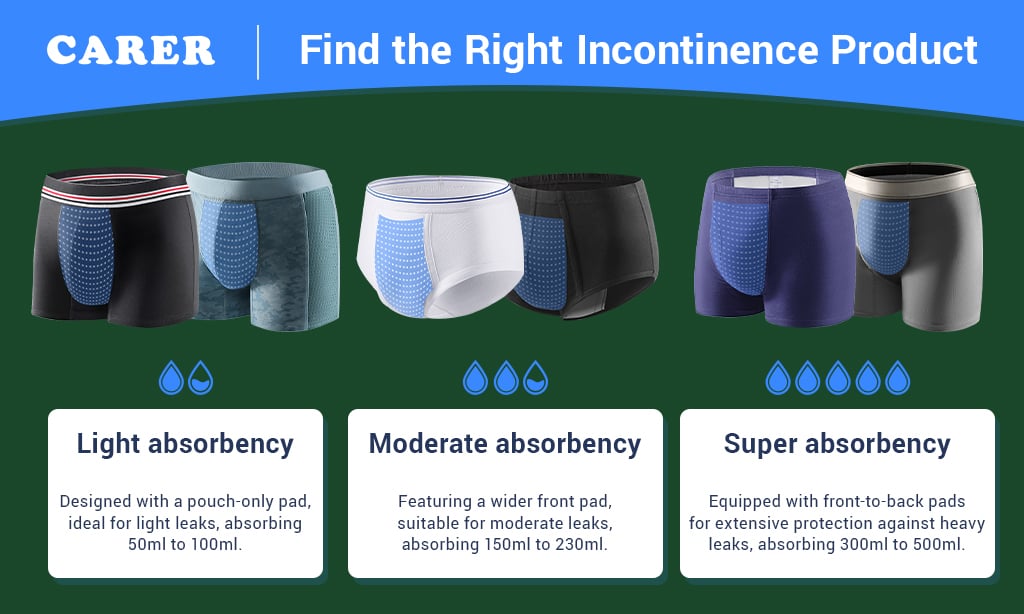
Each situation calls for its own level of protection. A short brunch might need something light, while long travel days or evening parties may need a bit more support. Many people enjoy the comfort of washable incontinence underwear, especially during travel or long gatherings, because they feel like regular underwear while still providing peace of mind. We at CARER create options designed with softness and everyday comfort in mind.
Dress for Confidence
Your outfit can help you feel relaxed. Darker colors, layered clothing, and fabrics that breathe well make a big difference. Choose clothes that allow easy movement and quick changes, just in case. Feeling good in what you wear boosts confidence all day long.
Try New Products Ahead of Time
If you’re thinking about trying a new style or absorbency level, test it on a calm day first. Getting used to how it feels helps avoid surprises later. To make that easier, we offer a way to try our products before committing. You can request a Free Sample ( and see what works best for you. It is an easy and stress free way to find the comfort and fit you truly prefer.
Enjoy Holiday Food and Drinks Without Worry

Know Your Triggers
Everybody’s body reacts differently, but certain items like citrus, tomato based dishes, chocolate, alcohol, or fizzy drinks usually cause stronger urgency for many people. You may find that only a few of these affect you, or you might notice completely different patterns. Paying attention to your own personal triggers helps you make choices that support your comfort while still enjoying the holiday foods you love.
Stay Hydrated the Smart Way
It may seem helpful to drink less water, but doing so can actually irritate the bladder more. Instead, sip water steadily throughout the day. You can ease up on fluids shortly before a long event, but avoid skipping hydration altogether.
Plan Your Meals Around Events
If you know you will be out for several hours, choosing lighter meals beforehand can help your body feel more settled. Giving yourself time for a restroom break before leaving adds an extra layer of comfort, and saving heavier foods for later can make outings feel easier to navigate.
Feel Comfortable and Confident at Social Gatherings

Choose a Comfortable Seat
Picking a spot near the restroom or along the edge of the room makes it easy to step away when you need a moment. This small, thoughtful choice helps you feel more at ease and lets you focus on enjoying the company around you.
Keep What You Need Within Reach
Carrying a small pouch or clutch that stays with you helps you feel in control throughout the gathering. When your personal items are close at hand, you can move through the event with calm assurance, knowing you have everything you need right where you want it.
Stay Calm in Case of a Leak
Leaks can happen, even when you are well prepared. What matters most is giving yourself permission to stay calm. A quiet moment to refresh yourself is all it takes, and once you do, you can step right back into the gathering with confidence.
Stay Comfortable While Traveling
Even with your best precautions, accidents can happen. And remember, if a leak happens and your clothes get ruined, it’s not your fault or a reflection of who you are.
How can you be ready just in case? It’s a good idea to pack an extra set of clothes:
Always carry at least two clean pairs of underwear (or protective briefs like adult plastic pants
For your emergency bottoms, choose a neutral, dark-colored pair of lightweight leggings, yoga pants, or a skirt. Dark colors like navy, black, or charcoal are far better at disguising any minor dampness or stains.
For a quick fix until you can get to a private changing space, keep a light shawl, cardigan, or oversized scarf in your bag. Use this to casually cover a spot while you walk to the restroom.
I understand. It’s quite a list, but we don’t have to feel overwhelmed. We just need to pack it down. Do this by choosing lightweight, wrinkle-resistant fabrics. They are also easy to put on/take off.
Final Thoughts: Celebrate the Season Without Holding Back
The holidays are a time for connection, comfort, laughter, and joy, and we at CARER want you to experience all of it with confidence. Incontinence does not have to hold you back. With small adjustments, thoughtful preparation, and products that truly support you, you can move through the season feeling comfortable and in control.
For us, the goal is not perfection. It is freedom. Freedom to join the fun, taste the treats, take the trip, and enjoy the people you love most. And if our washable incontinence underwear gives you even a little more ease, comfort, or peace of mind along the way, then we are honored to be part of your journey.
This holiday season, we wish you the comfort, confidence, and joy you truly deserve!

This article was developed in partnership with, and sponsored by, Carer. NAFC collaborates with select partners to bring our community information and resources that support bladder and bowel health.




One Response
I’m looking for a fecal incontinence support group (if such a thing exists). I live in Palm Harbor, FL, and would appreciate any information you might have. Thank you.