

Ask The Doc: Can I Go In The Pool If I Have Bowel Incontinence?
Question: I Love Swimming, But Have Been nervous About Getting In The POol Since I suffer from fecal incontinence. What are my options? Answer: Swimming
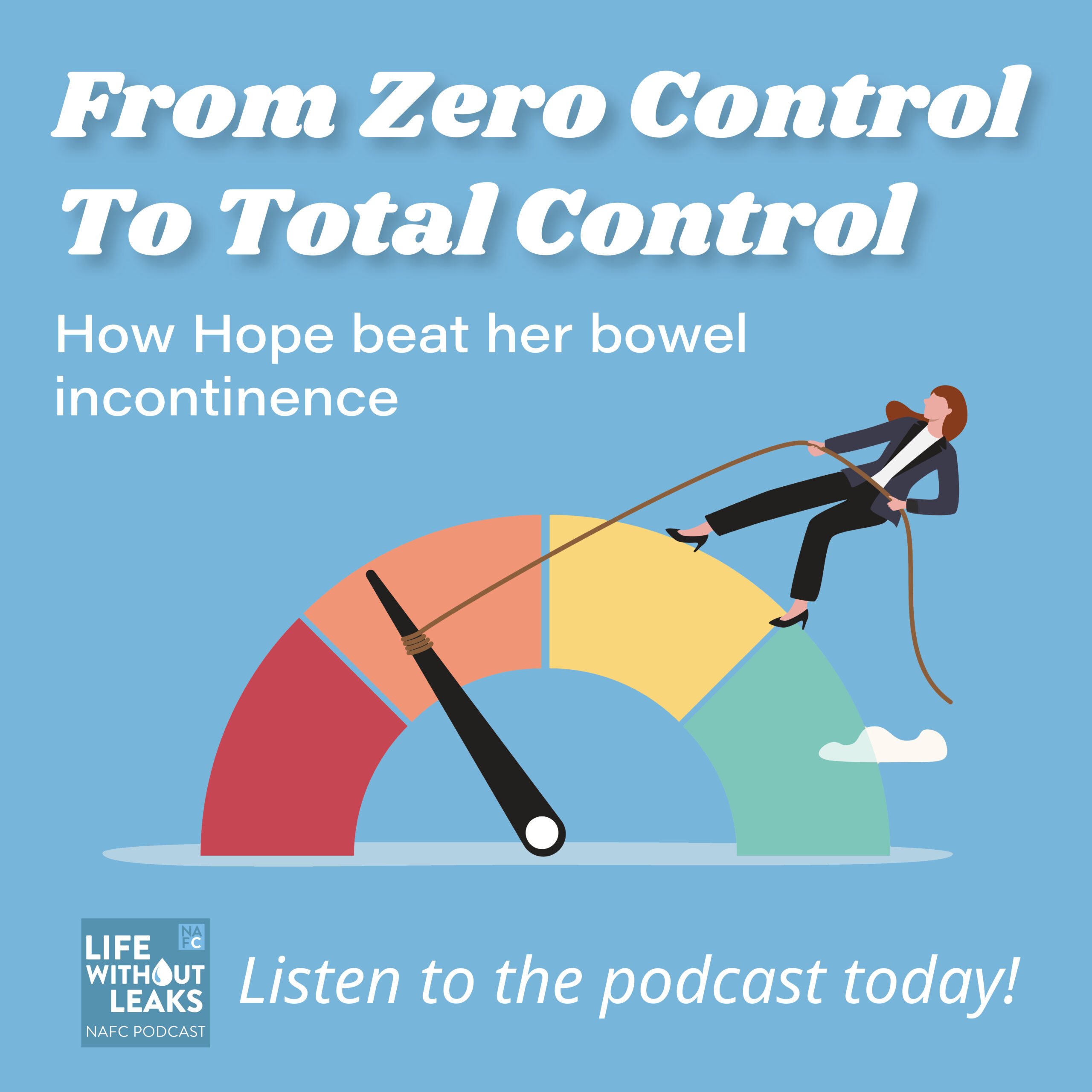
From Zero Control to Total Control – How One Patient Overcame Bowel Incontinence
Imagine being a 35-year-old woman who suddenly develops bowel and bladder incontinence following childbirth – incontinence so difficult to treat that even a major surgery fails to deliver lasting, meaningful relief. That’s the situation today’s guest, Hope, found herself in – that is, until she discovered a simple procedure that changed her life completely, giving her back control after 17 years of struggling. Listen now to find out how she overcame her incontinence…

Causes Of Adult Bedwetting And How To Manage It
A Guest Blog By Christine Pruneau BSN, RAC-CT Enuresis, or bed-wetting, is commonly associated with children but night time incontinence also affects adults, both young

Can your ANKLE stop you from leaking? A surprising new approach for treating OAB
In this episode of Life Without Leaks, urologist Dr. Alex Rogers joins us to talk about today’s landscape of OAB treatments, from behavioral changes and medications to Botox and neuromodulation. She also introduces us to a newer option: an implanted tibial nerve stimulation device placed by the ankle that can actually improve bladder control.