Navigating life is hard even in the best of times. But when you have to deal with leaks – whether they’re an occasional event or an everyday occurrence – things get far more difficult. Worrying about having accidents can limit the life you live, prevent you from doing things you enjoy, and keep you from spending time with the people you love.
That’s why the National Association For Continence developed our Life’s More Fun Without Leaks campaign. We developed this campaign to remind you that you don’t have to miss out on the best life has to offer just because you’re dealing with incontinence.
We want you to understand that a life without leaks is possible. There’s a whole range of proven, effective treatments available right now – some you can do on your own, others that take the help of a physician or physical therapist.
So, are you ready to see what your Life Without Leaks looks like?
Next, watch the videos below, read the stories, take our poll and download some of our informational brochures below to see how others are living their best lives and to learn how you can do the same.
Explore more of our site to learn all that you can about the treatments and tips to help you eliminate bladder leaks.
Finally, be sure to follow us on social media and do your part to raise awareness of incontinence and bladder health conditions by liking and sharing our posts, videos and stories.
Let’s Get Social!
Click the social media icons below to stay up-to-date with the NAFC, and make sure to like and share our posts to help spread the word far and wide.




hear the VOICES OF INCONTINENCE
Lauren’s Story
Alan’s Story
KELSEY’S Story
“I always used to think that a little bladder leakage was just a part of getting older. But when ‘a little’ started to turn into ‘a lot,’ I knew I needed to find help…” Click the video above to see how Lauren learned to live her life without leaks.
“There were a lot of changes I figured I might have to deal with when I had my prostate removed, but bladder leakage wasn’t one of them…” Click above to hear from Alan and learn how he managed his incontinence.
“There are so many wonderful, unexpected changes that you discover when you’re a new mother, but not every change is a welcome one…” Click the video above to hear how Kelsey changed her life for the better.
Patient Resources








Ask The Expert: From A Doctor’s Perspective What Are Some Common Questions You Hear?
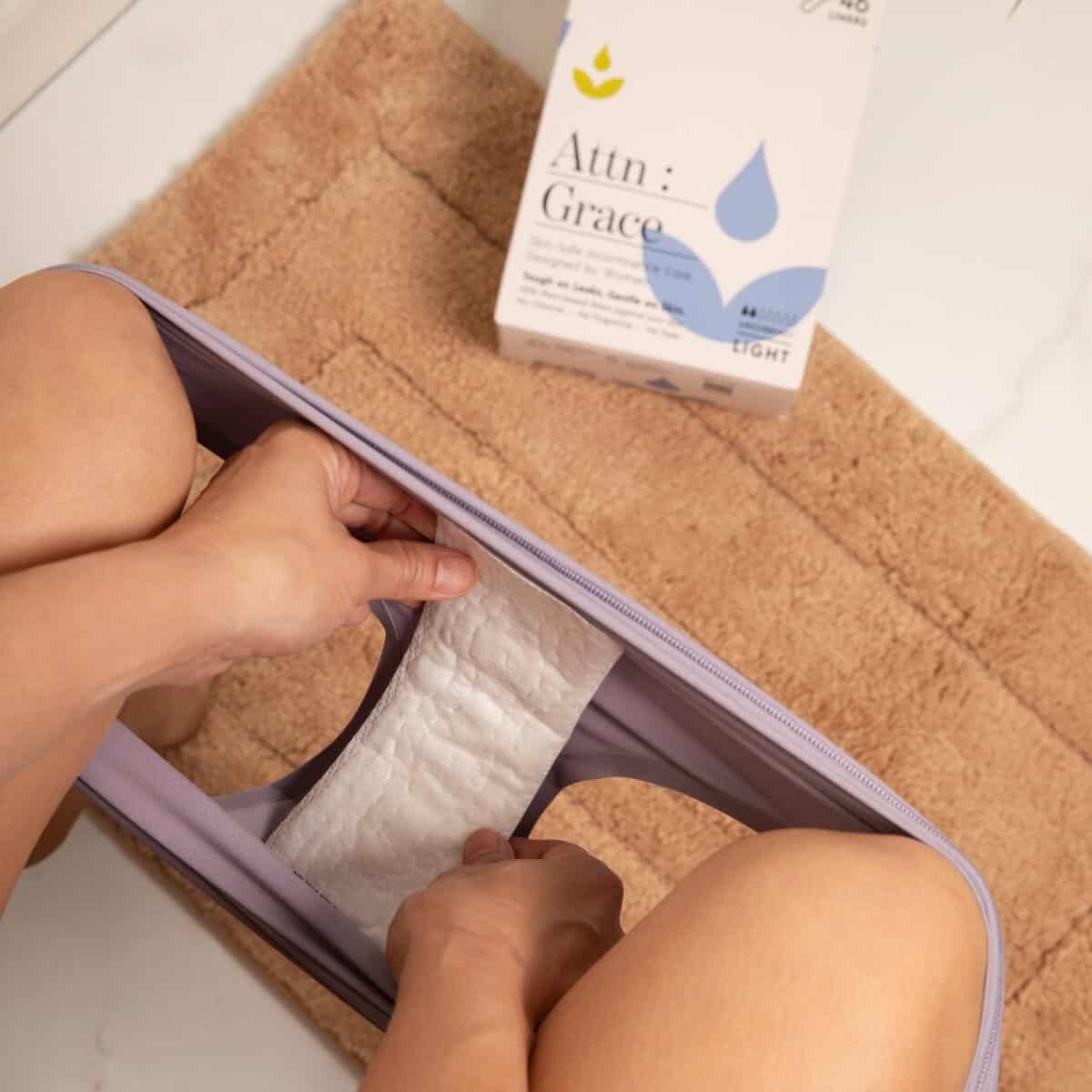
If you’ve ever sneezed and held your breath hoping for the best, you’re not alone. Bladder leaks, pelvic floor issues, and the constellation of symptoms that go with them are incredibly common — and incredibly under-discussed. We sat down with two of our favorite experts who are changing the bladder leak conversation: Dr. Barbara Frank, Attn: Grace medical advisor and board certified OB/GYN, and Dr. Sara Reardon, pelvic floor physical therapist (and the woman your pelvic floor has been waiting to meet). They took turns asking each other the questions their patients ask most — and answered them with the same candor they bring to the exam room. They cover everything from how to prepare for postpartum, to what question to ask your own pelvic floor PT, to how to manage incontinence during menopause. This is a knowledge drop you don’t want to miss.

How Aging Changes Bladder Control — What Most People Don’t Expect
As an RN who’s worked in geriatrics for over 14 years, I know first hand that changes in bladder control can be a common part of aging. However, what I’ve also learned is that the treatment and management of these changes differ depending on whether they are due to aging or other conditions.
If you’re experiencing more frequent trips to the bathroom or sudden, intense urges to urinate, you might be wondering what is going on and what you can do about it. Let’s talk through some of the changes that might be going on in your body and how you can be better prepared to manage your bladder control.

Why Your Incontinence Product May Not Be Working Like It Used To
Most people assume that when an incontinence product leaks, the product itself failed. In reality, what often changes first is everything around it. Bladder leakage is not static. The amount of urine, how quickly it’s released, when leaks happen, and even how the body moves during sleep can all shift over time. A product that worked well six months ago may suddenly struggle under conditions it was never designed to handle.
This is especially common with overnight leakage, changes in mobility, medication adjustments, or shifts in bladder control related to aging and health conditions.
One of the biggest misconceptions is that absorbency alone determines performance. In reality, fit, absorption speed, body position, and wear duration all influence whether a product holds up in real-world situations.

Ask The Expert: From A Doctor’s Perspective What Are Some Common Questions You Hear?
If you’ve ever sneezed and held your breath hoping for the best, you’re not alone. Bladder leaks, pelvic floor issues, and the constellation of symptoms that go with them are incredibly common — and incredibly under-discussed. We sat down with two of our favorite experts who are changing the bladder leak conversation: Dr. Barbara Frank, Attn: Grace medical advisor and board certified OB/GYN, and Dr. Sara Reardon, pelvic floor physical therapist (and the woman your pelvic floor has been waiting to meet). They took turns asking each other the questions their patients ask most — and answered them with the same candor they bring to the exam room. They cover everything from how to prepare for postpartum, to what question to ask your own pelvic floor PT, to how to manage incontinence during menopause. This is a knowledge drop you don’t want to miss.