

Exploring Washable Incontinence Underwear:
Benefits, Drawbacks, and Professional Recommendations
Incontinence is a common condition affecting millions of men and women worldwide, often leading to considerable physical discomfort, embarrassment and emotional distress. One in four adult women report some degree of involuntary urine leakage. But incontinence is not just a female problem, and affects millions of men as well. For both men and women, the risk of urinary incontinence increases with age.
Because incontinence itself is not a disease, but is a problem caused by a wide variety of underlying disorders, including neurological disease, obstruction, or even urinary tract infection among others, incontinence can range from a temporary inconvenience to a lifelong challenge.
The inability to control one’s bladder can significantly impact a person’s daily life, and until recently, incontinence sufferers had to rely on bulky, uncomfortable, diaper-like garments. Today, modern solutions such as washable incontinence pants using technologically advanced materials and construction offer practical and dignified ways to manage this condition.
The availability of various incontinence products helps manage symptoms and maintain quality of life. While disposable products are popular for their convenience, washable incontinence pants are gaining attention for their cost-effectiveness and environmental benefits. Understanding the differences between these two options is essential in choosing the best product for a person’s particular needs.
Types of Wearable Incontinence Products Available in the Market
Incontinence products, both pads and pants, are designed to cater to specific needs:
Pads: These are absorbent liners that can be placed inside regular underwear and are suitable for light to moderate incontinence, such as leakage of urine that can occur with stress or overflow incontinence.
Pants: Absorbent underwear provides full coverage and better protection than pads, and can handle larger urine volumes These are available in both disposable and washable varieties.
Innovative products are also emerging, such as high-tech solutions with moisture sensors and connected apps for real-time monitoring. But for most people, the choice will be between disposable or reusable products, or some combination of the two.
What is the Difference Between Disposable and Reusable Incontinence Pants?
Disposable underpants are single-use products made from absorbent materials and a waterproof outer covering. They are convenient for travel and situations requiring quick disposal but can be costly over time as they have to be continuously replaced. Reusable underpants are made from washable, absorbent fabrics that use multi-layer absorbent technology and offer a much more sustainable and comfortable solution.
Key differences at a glance:
Usage: Disposable underpants are ideal for short-term use, while reusable underpants are suitable for long-term needs.
Cost: Reusable options may have a higher upfront cost but save money in the long run.
Environmental Impact: Reusable products are more eco-friendly due to reduced waste.
Environmental Impact: Reusable products are more eco-friendly due to reduced waste.
Who Is Reusable Washable Incontinence Underwear For?
Reusable washable incontinence underwear is designed for a wide range of users, including:
Active Individuals: Reusable washable incontinence underwear is a great choice for those who prefer a discreet, reliable solution that allows them to stay active and engaged in daily activities.
Long-Term Care Patients: Individuals in nursing homes or those receiving home care may benefit from the comfort and durability of washable products. Disposable incontinence products can often be irritating to the skin with continued use.
Caregivers: Caregivers often find reusable products more practical for long-term care, providing ease of use and hygiene benefits.
Benefits of Washable Incontinence Underwear
Washable incontinence underwear offers several advantages:
Cost-Effectiveness: Although the initial investment may be higher, reusable underwear saves money over time compared to disposables.
Environmental Benefits: Washable incontinence pants reduce waste and the environmental impact associated with disposable products.
Comfort and Quality: Often made from soft, breathable materials, washable incontinence pants provide comfort and reduce skin irritation. Look for products made with organic cotton and other natural fibers.
Personal Dignity: Discreet and natural appearance under clothing, helping maintain dignity and confidence.
Hygiene: Easy to wash and maintain, ensuring cleanliness and hygiene for both users and caregivers.
Drawbacks of Washable Incontinence Underwear Compared to Disposable Underwear
Despite the benefits, as with any product, there are some drawbacks to consider:
Initial Cost: There is an initial upfront investment when purchasing washable incontinence underwear. For those who wish to switch to a washable product where cost is a factor, consider purchasing one or two garments each month and gradually make the change away from disposables.
Maintenance: These products require regular washing, which may be inconvenient for some users. Washable, reusable products have fewer immediate disposable options, especially when traveling or away from home.
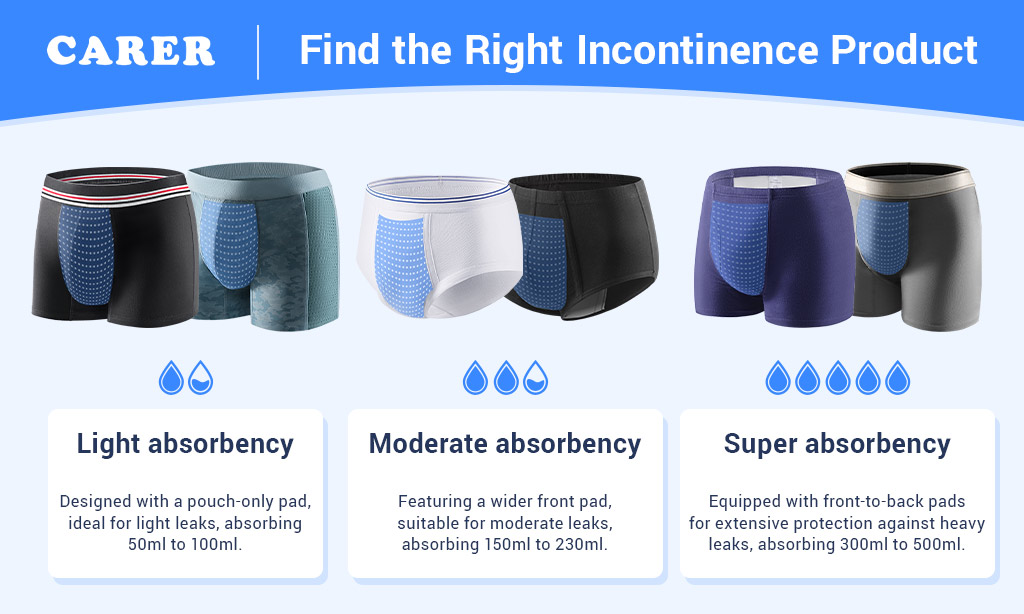
Fit, Comfort and Availability: Finding the right fit can sometimes be challenging, and some users may experience discomfort until the right size and style is selected. Currently, many of the washable underwear products on the market have limited styles as well as absorbency levels. This situation is improving however with more types of washable incontinence pants being developed to meet customers’ various needs. For example, this year, Carer has developed three different styles that cater to various levels of incontinence and anticipate that more styles as well as more absorbency levels will become available in the near future.
Absorbency: Washable incontinence pants are suitable for individuals who have light to moderate incontinence (up to 500ml absorbency). For those with severe or total incontinence, disposable pants are recommended due to their ability to absorb higher amounts of liquid.
Durability: Over time, as with any washable garment, repeated washing can affect the product’s performance and lifespan. At this point, the product should be replaced.
How Does Leak Proof Underwear Work?
Leak proof underwear incorporates advanced materials and design features to prevent leaks:
Wicking Layer: This is the first layer and the one closest to the skin. This layer is made of a soft, fast-wicking fabric that works to quickly draw moisture away from the body to keep the wearer dry and comfortable. This layer is crucial in helping to prevent skin rashes common with single-use hygiene products.
Absorbency Retention Layer: This second inner layer’s job is to retain and hold moisture. Made primarily from polyester, it absorbs and holds urine, even under the pressure of the wearer’s body weight.
Leak Proof Layer: This final, outer layer is flexible, breathable and is completely waterproof, ensuring that any leaks are locked in.
Recommendations for Healthcare Professionals on Advising Patients
Each patient is an individual and the healthcare provider should take time to understand the patient’s lifestyle, their level of incontinence and also take into consideration their personal preferences. If a caregiver is involved, they need to be part of this discussion.
Factors such as cost of the product, convenience of use, and the patient’s comfort must be balanced when recommending products. Healthcare providers can be instrumental in the effective use of incontinence products by educating patients and caregivers on the proper use and care of these products. By providing a range of options and supporting patients’ informed choices, health care providers can provide valuable guidance that aligns with their patients’ needs and values.
Where to Buy Leak Proof Underwear
Look for trusted suppliers that provide reputable brands known for their quality and reliability. Purchasing these products online provides convenience plus a wide selection, but consumers of these products should realize that this choice requires careful sizing, plus the reading of multiple reviews, both positive and negative, to uncover any potential problems.
Purchasing in-store allows for actual physical inspection of the product plus the availability of assistance from knowledgeable staff. When choosing a supplier, consider such factors as the company’s return policy, their reputation for customer service, and their shipping options.
Being able to try out a product before buying can make all the difference. CARER offers incontinence underwear free samples as they want every customer to have confidence in their products. Just fill out the form to get a code that unlocks a free pair at checkout. Then browse the styles and choose the right product based on your individual needs.
Additional Resources and References
For further information and support, consider exploring the following:
Educational Websites such as the Urology Care Foundation https://www.urologyhealth.org provide valuable free downloadable information.
Support Groups can be found both online and in local communities. They serve an important function by providing support, encouraging shared experiences and reducing the isolation that may come with this condition.
Professional Advice can be obtained by consulting with a trusted healthcare provider for personalized recommendations.
Understanding incontinence products, particularly washable incontinence pants, allows individuals, caregivers, and healthcare professionals to make fully informed decisions. By considering benefits, drawbacks, and all available options, the best solution can be found so that each individual can maintain comfort, dignity, and quality of life.
Exclusive Offer for NAFC Readers
Get Carer leakproof underwear for men and women exclusively online at carerspk.com.
Use code NAFC15 at checkout to receive a 15% discount. Visit carerspk.com to explore the collection.







One Response
Seems good to me: any chance of identifying a place in Newcastle where to go to try them out ?