No time to exercise? No problem! These tricks will show you how you can sneak a full workout session in throughout your day without even really trying!
Importance of exercise
We all know exercise is important. It helps our bodies stay strong and keeps our weight in check, and lowers our risk of disease. And for people with incontinence, these things all matter – keeping your muscles strong (especially your core and pelvic floor muscles) can have a direct effect on your ability to hold the urge to go until you can make it to a bathroom. Losing weight can help decrease the pressure placed on your bladder, and avoiding things like diabetes can help you sometimes avoid having incontinence in the first place.
How much exercise should you get?
According to the Mayo Clinic, you should get at least 150 minutes of aerobic activity, or 75 minutes of vigorous aerobic activity a week (or some combination of the two). It’s suggested that you spread this out over the course of a week so that might look like about 30 minutes of moderate activity most days of the week.
It’s also recommended that you do strength training for all your major muscle groups at least two times a week. You should be able to do one set of a single exercise with about 12-15 reps using your body weight or some other type of weight to create resistance so that your muscles tire out during that time.
Of course, the more exercise you do, the greater the benefit, but even a little exercise is better than none and can be helpful. And, small amounts can add up. If you think you don’t have time for 30 minutes a day, check out these tips below to learn ways to sneak in those 30 minutes without even really noticing!
How to sneak more exercise into every day
Working in more exercise throughout your day doesn’t have to be time consuming. Breaking up your workout sessions into chunks is just as effective as doing one 30-minute routine. Here are a few ways to sneak workout in at home, at work, or anywhere!
At Home:
-
Wake up 10 minutes earlier and you’ll find that you can do a lot. A quick walk around the block, a morning yoga session, or even walking up and down the stairs several times can help you get moving. Plus, you’ll start your day knowing you’ve already clocked in 10 minutes of exercise – Win!
-
Workout while watching TV. Turn your down time into workout time by adding in some easy moves. Doing squats, pushups, running on a treadmill, or riding a stationary bike all seem easier when you’re watching your favorite show. Or, if you’re watching live TV, resolve to workout during the commercials!
-
Take advantage of idle time. You likely have a lot of time when you’re just standing around. Whether it’s doing lunges or sit-ups while the microwave is going, or doing calf raises while brushing your teeth, you’ll find that it’s pretty easy to sneak in about 10 extra minutes a day of workout moves just by utilizing the time you normally spend waiting on something else to happen.
Away from home
-
Park further away, or take a longer route. We know – it’s so tempting to grab that parking spot that’s closest to the door. But parking a bit further away, or taking the scenic route to walk to your destination can add up over time if you’re consistent. It’s a great way to get in those extra steps!
-
Replace a bad habit with exercise. Do you tend to reach for a glass of wine or a beer when you get home from work? Or do you have the after dinner munchies on the regular? Try working in some exercise to get the added health benefit and break that bad habit. Go for a walk each evening before or after dinner to fight the cravings you might have if you’re just hanging around at home.
-
Meet up with friends for a social workout. It’s hard to fit everything into our busy lives these days, but you can kill two birds with one stone by working exercise into your social life. Do you normally meet a friend for coffee? Try grabbing your coffee to go and walking around while you catch up instead of sitting at the coffee shop. Or enlist a buddy to try a new workout class with you. You don’t even have to call it a “workout” – just catching up on the go to encourage other people to join you! You’re more likely to stick with an exercise routine if you have someone else holding you accountable. Plus, working out with someone else makes it more fun!
At work
-
Take a break every 50 minutes and walk around for 10 minutes. This is a great way to get in a little bit of exercise during the workday. Plus, studies show that taking breaks help to make you more productive! (https://www.psychologytoday.com/us/blog/changepower/201704/how-do-work-breaks-help-your-brain-5-surprising-answers)
-
Work out at your desk. Work out while you’re actually working! Trade your chair for a stability ball or do a few reps of bicep curls while you’re on your morning conference call.
-
Try standing for a portion of the day. While it doesn’t burn that many extra calories (studies show about 8 more than sitting), standing at your desk may help to encourage more movement than sitting.
-
Go talk to a co-worker in person vs. email or calling them. It’s easy to pick up the phone or send someone an email when you have a questions, but you can get in a bit more exercise if you actually take the time to walk to their desk and hash it out in person.
Anywhere!
-
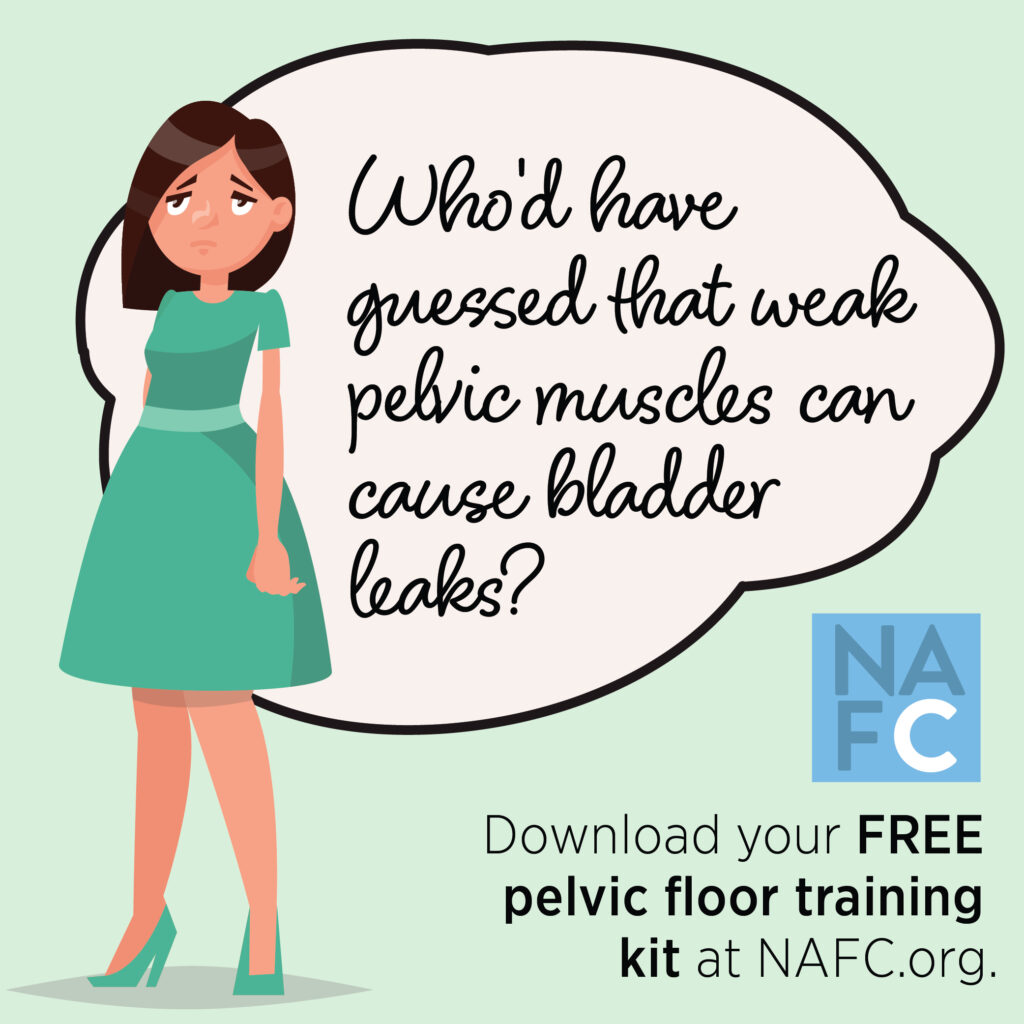
Do your kegels! The pelvic floor – the web of muscles that holds some pretty vital organs up, including our bladders – needs regular upkeep just like any other muscle. The best thing about this exercise? You can do kegels anywhere, at any time, and no one will even know you’re doing them.
Need some help getting those muscles activated? You can learn how to do them here, or you can try a device such as the new, FDA-cleared ELITONE, (elitone.com), which performs 100 muscle contractions per session to help you get those pelvic floor muscles in shape and even reduce bladder leaks in as little as 6 weeks. Because the ELITONE can be worn under clothing during the treatment, you can walk around, do your chores, and use it anytime anywhere.
Don’t let the excuse of not enough time get in the way of your exercise goals! Use the tips above to stay active.
Have any other tips you’d like to share that help you to stay active? Tell us in the comments below!