Search
[give_form id="19690"]

Busting Common Myths About Incontinence

Did you know that incontinence is more common than diabetes and heart disease combined?

Yet, many who experience it feel isolated, embarrassed, or misunderstood due to persistent myths and stigmas. Regardless of age, gender identity, or background, learning the facts about incontinence can empower you to reclaim your confidence and live with dignity.

Here are five common misunderstandings and the realities that set the record straight:

Myth #1: “Only senior citizens deal with incontinence.”
Reality: Approximately half of people living with incontinence are under the age of 50. Athletes, new moms, and people with neurological conditions are just a few examples of those who manage incontinence.

Myth #2: “Incontinence is just a women’s issue.”
Reality: Incontinence does not only affect women — millions of men experience bladder and bowel control problems, as well. Factors such as nerve damage, an enlarged prostate, or post-surgical changes can contribute to leakage.

Myth #3: “Drinking less fluid will prevent leaks.”
Reality: Cutting back on fluids may seem like a solution, but dehydration can actually make incontinence worse. Concentrated urine irritates the bladder, increasing urgency and unpredictability. Proper hydration supports bladder health and improves control.

Myth #4: “Incontinence products are bulky and obvious.”
Reality: Modern incontinence products are discreet, comfortable, odor-blocking, and highly effective, so you never have to compromise style or confidence.

Myth #5: “Incontinence means giving up an active lifestyle.”
Reality: Managing incontinence effectively doesn’t mean sacrificing favorite activities or adventures. High-quality products make gym visits, traveling, or everyday activities achievable without worry or limitations. Curious about comfortable, reliable solutions? Keep scrolling to discover premium products that fit seamlessly into active lifestyles.

Real Talk: Incontinence Stories from People Who Get It

While facts are important, it matters just as much to know that you’re not alone. One of the most challenging aspects of managing incontinence is the sense of isolation that can come from feeling like others won’t understand. But that doesn’t have to be the case.

People live with incontinence every day with strength, resourcefulness, and resilience. By sharing stories and opening up, we shine a light on what it means to take back control. Seeking support and finding the right solutions isn’t just practical, it’s powerful.

Here are three stories from real people who are navigating incontinence with courage and honesty:

E’s Journey: Coming to Terms with the Stigma

“I was diagnosed with a paralyzed neurogenic bladder, and wearing diapers was the last thing I wanted to do. I tried catheters, different treatments—whatever might help. But the hardest part wasn’t the physical side. It was the fear of judgment. Would people think I was gross? Would dating even be possible? Turns out, the biggest critic was myself. Once the right protection was in place, worrying about what others might think became a thing of the past.”

D’s Story: Getting Back to the Things That Matter

“Going to the movies was a favorite pastime, but prostate issues made it nearly impossible to sit through a film. Getting up multiple times or worrying about leaks wasn’t worth it, and eventually, movies were off the table. Protection options weren’t doing the job either. Once a product with real absorbency was found, everything changed. Now, movies are back on the list — without stress or interruptions.” 

I.A.’s Experience: Living Life Without Fear

“Incontinence in my twenties? Not part of the plan. At first, constant bathroom trips seemed like a way to manage it, but that didn’t work for long. A few accidents, some teasing, and a lot of frustration made it feel like control was slipping away. The shift happened when the right protection was no longer seen as a last resort but as a tool for taking charge. Now, there’s no wasted energy worrying about leaks—just living life.”

These stories remind us that incontinence isn’t a personal failure — it’s a common medical condition, and there are real ways to manage it without sacrificing confidence, comfort, or quality of life.

By replacing shame with understanding and silence with support, we create space for better solutions, stronger self-esteem, and the freedom to live fully. Whether you’re just starting to seek answers or already navigating your journey, you deserve care and protection that works and dignity every step of the way.

Finding Incontinence Solutions That Fit Your Needs

Choosing the right incontinence products can be transformative, offering confidence and peace of mind regardless of the setting or situation. NorthShore Care Supply offers premium solutions that are thoughtfully crafted for reliable protection — explore the product categories below to discover options tailored to different lifestyles and personal needs:
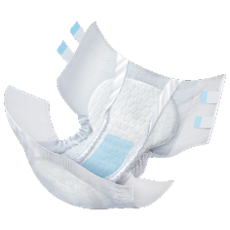
diaperDiaper-Style Briefs with Tabs: Super absorbent adult diapers with refastentable tabs for bladder and/or bowel leakage with up to 12 hours of protection.

Customer favorite: MegaMax® Diaper Style Briefs with Tabs 
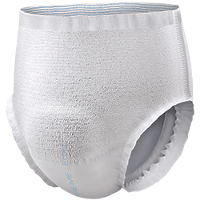

pullupPull-Up Style Incontinence Underwear: Disposable absorbent protective underwear with a sleek and discreet fit that offer up to 8 hours of bladder protection.

Customer favorite: GoSupreme® Pull-On Underwear
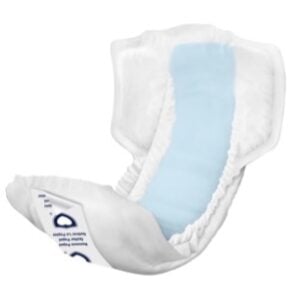
 

linerLiners & Guards (Pads): Absorbent liners that discreetly fit inside regular underwear, providing protection for light-to-heavy urinary and/or bowel leaks.

Customer favorite: DynaDry® Supreme Super Absorbent Liners
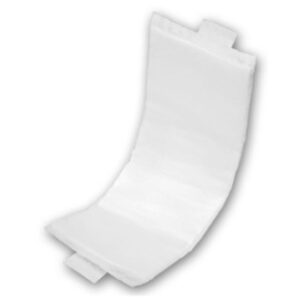
 

Booster Pads (Diaper Doublers): Absorbent pads designed for use inside adult diapers and pull-ons use flow-through technology to extend the lifespan of incontinence underwear.

Customer favorite: EternaDry® Booster Pads
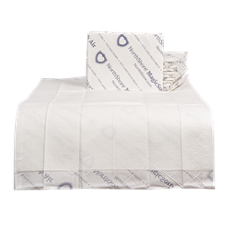
 

beddingBedding Protection (Chux): Underpads that come in washable or disposable varieties that protect mattresses, sheets, furniture, and can even be used as protective surfaces when changing in public restrooms.

Customer favorite: MagicSorb® Air Disposable Underpads

Interested in trying premium products? NorthShore’s convenient Sample Program makes things easy: answer a few quick questions and select up to SIX expert-recommended products to sample for free (just pay shipping). Also, orders placed before 7pm ship the same day!

This article was developed in partnership with, and sponsored by, NorthShore. NAFC collaborates with select partners to bring our community information and resources that support bladder and bowel health.

About NorthShore

Our Story
NorthShore was founded in 2002 by Adam Greenberg after witnessing his father’s struggle with cancer and his grandmother’s suffering from the side effects of a stroke. At the time, there simply weren’t products available that offered both comfort and dignity. Adam created NorthShore to change that. Over the past 23 years, we’ve helped more than 2.5 million individuals, their loved ones, and caregivers manage incontinence.

Why We Do What We Do
Our mission is to improve the lives of individuals with premium adult diapers and incontinence supplies. We help adults, families, caregivers, and senior care facilities across the nation with kind, caring, expert support and personalized recommendations. Northshore products stay dry up to 3x longer than most retail brands — offering reassuringly strong protection for even the heaviest control problems.

NorthShore is a proud sponsor of the National Association for Continence (NAFC). All views expressed are our own. Visit NorthShore.com for premium incontinence products, helpful resources, and expert tips, and more.

Sources: NAFC, We Count Campaign 

Comments

Leave a Reply

Your email address will not be published. Required fields are marked *

This site uses Akismet to reduce spam. Learn how your comment data is processed.

Related Articles

Five women of varying ages stand close together, smiling and laughing. The text discusses vital conversations on health—from postpartum to incontinence after prostate cancer surgery—on the Life Without Leaks NAFC podcast.

From Postpartum to Postmenopause: The Conversations Women Need to Have

In this episode of Life Without Leaks, we’re joined by Dr. Barbara Frank of Harvard Medical School and Brigham and Women’s Hospital, along with Alex Fennell, co-founder of Attn: Grace, an innovative manufacturer of incontinence products.

Together, we explore the realities of bladder leaks and pelvic floor health during pregnancy, postpartum recovery, perimenopause and menopause, and we discuss why more women are finally beginning to talk more openly about their experiences.

The conversation covers:
• The connection between hormones, menopause and bladder leaks
• Why pelvic floor therapy is having a major moment
• The surprising relationship between pelvic floor tension and incontinence
• How products can impact skin health, comfort and UTIs
• The truth about hormone replacement therapy
• Why community and conversation matter so much in women’s health

Alex also shares the story behind Attn: Grace and the company’s mission to create cleaner, plant-based incontinence products designed to support women with comfort, dignity and confidence.

Whether you’re navigating postpartum recovery, menopause symptoms or simply looking to better understand pelvic health, this episode offers expert insights, practical advice and an encouraging reminder that no one should feel alone in these experiences.

A person sitting on a beige bath mat is placing an incontinence pad into their underwear for skin protection. A box labeled Attn: Grace with blue designs sits on the mat nearby.

Ask The Expert: From A Doctor’s Perspective What Are Some Common Questions You Hear?

If you’ve ever sneezed and held your breath hoping for the best, you’re not alone. Bladder leaks, pelvic floor issues, and the constellation of symptoms that go with them are incredibly common — and incredibly under-discussed. We sat down with two of our favorite experts who are changing the bladder leak conversation: Dr. Barbara Frank, Attn: Grace medical advisor and board certified OB/GYN, and Dr. Sara Reardon, pelvic floor physical therapist (and the woman your pelvic floor has been waiting to meet). They took turns asking each other the questions their patients ask most — and answered them with the same candor they bring to the exam room. They cover everything from how to prepare for postpartum, to what question to ask your own pelvic floor PT, to how to manage incontinence during menopause. This is a knowledge drop you don’t want to miss.

Two older women smiling and walking together on a sunny neighborhood sidewalk, one holding a coffee cup. Both enjoy the confidence provided by discreet incontinence products for women. Trees and houses line the street in the background.

How Aging Changes Bladder Control — What Most People Don’t Expect

As an RN who’s worked in geriatrics for over 14 years, I know first hand that changes in bladder control can be a common part of aging. However, what I’ve also learned is that the treatment and management of these changes differ depending on whether they are due to aging or other conditions.
If you’re experiencing more frequent trips to the bathroom or sudden, intense urges to urinate, you might be wondering what is going on and what you can do about it. Let’s talk through some of the changes that might be going on in your body and how you can be better prepared to manage your bladder control.

Five women of varying ages stand close together, smiling and laughing. The text discusses vital conversations on health—from postpartum to incontinence after prostate cancer surgery—on the Life Without Leaks NAFC podcast.

From Postpartum to Postmenopause: The Conversations Women Need to Have

In this episode of Life Without Leaks, we’re joined by Dr. Barbara Frank of Harvard Medical School and Brigham and Women’s Hospital, along with Alex Fennell, co-founder of Attn: Grace, an innovative manufacturer of incontinence products.

Together, we explore the realities of bladder leaks and pelvic floor health during pregnancy, postpartum recovery, perimenopause and menopause, and we discuss why more women are finally beginning to talk more openly about their experiences.

The conversation covers:
• The connection between hormones, menopause and bladder leaks
• Why pelvic floor therapy is having a major moment
• The surprising relationship between pelvic floor tension and incontinence
• How products can impact skin health, comfort and UTIs
• The truth about hormone replacement therapy
• Why community and conversation matter so much in women’s health

Alex also shares the story behind Attn: Grace and the company’s mission to create cleaner, plant-based incontinence products designed to support women with comfort, dignity and confidence.

Whether you’re navigating postpartum recovery, menopause symptoms or simply looking to better understand pelvic health, this episode offers expert insights, practical advice and an encouraging reminder that no one should feel alone in these experiences.