

The concept of “self-care” has surged in popularity in recent years, and self-care doesn’t have to stop because of your incontinence. Bladder control problems are more common than you may think. Approximately 25 million Americans have bladder leakage, with an estimated three-fourths of that group being women. This number may seem shocking, but incontinence self-care allows a majority of adults to discreetly manage this condition without it having to take over their quality of life. Below are four ways you can practice some Incontinence Self Care Guide.
1. DON’T OVERSPEND ON INCONTINENCE SUPPLIES
Nothing says “self-care” quite like saving money! You’ve probably noticed that buying catheters, protective underwear, or bladder control pads can quickly become expensive. Along with the hefty price tag, it can also be embarrassing for some individuals to head down the incontinence aisle at their local department store, fearing being seen by a colleague or friend.
However, with Aeroflow Urology, you won’t need to take another trip to the store to get your bladder control supplies. Through Aeroflow Urology, your incontinence products may be covered, at no cost to you, through your insurance provider. All you have to do is fill out their quick and easy 2-step form, and they will take care of the rest.
They will handle all of the paperwork for you, from contacting your doctor and insurance provider to making sure your supplies are shipped directly to your home in discreet packaging each month. They will also check in each month to see if you need to make any supply adjustments, from changing sizes to switching product types. Aeroflow understands that less time spent at the store means you’ll have more time to focus on what’s important (like your incontinence self-care).
Check your eligibility for free bladder control supplies here.
2. KEEP A BLADDER DIARY
Keeping a Bladder Diary is a simple, yet effective, way to practice incontinence self-care. The diary allows you to track your incontinence symptoms for both yourself and your healthcare provider, while also tracking progress if you are working on treatment options such as bladder training, diet changes, or medication.
For each page of the Bladder Diary, simply take note of the amount and type of fluid you drink, how many times you use the restroom per day (including any accidents), as well as any notes you may want to keep track of for future reference for yourself or your healthcare provider.
When trying to identify dietary triggers that may be contributing to your incontinence symptoms, the Bladder Diary can be a useful tool. The diary can allow you to draw connections between triggers and symptoms, so you can make any necessary lifestyle changes that will lessen your incontinence symptoms. For example, if you find a correlation between drinking your morning coffee and increased bladder leakage, you can make small adjustments such as not drinking coffee right before a meeting or cutting back from three cups of coffee a day to one. Additionally, bladder irritants such as spicy foods and alcohol are common triggers, so if you find that they affect you, you’ll know to avoid them before important events or eliminate them from your diet completely.
3. TRAIN YOUR BLADDER
With the findings of your Bladder Diary, you can also identify your bladder’s normal routine and can take advantage of it. Instead of waiting for the urge to urinate, you can try to use the restroom based on your schedule. You can also practice delaying urination once the urge strikes to retrain your bladder to feel urges on a “normal” schedule (every 2-3 hours). Start small by trying to hold off for 10 minutes when you feel the need to go, and then gradually expand the amount of time between bathroom breaks. Your bladder is a muscle, and you can train your bladder to retain more urine over time, causing less leakage.
It can also be beneficial to experiment with double voiding when using the restroom. Double voiding is a technique used to fully empty your bladder if you are experiencing an urge to urinate shortly after attempting to fully empty your bladder. To practice double voiding, use the restroom, wait a few minutes, and try to go again. This can allow you to fully empty your bladder, decreasing bladder irritation.
4. EXERCISE YOUR PELVIC FLOOR MUSCLES
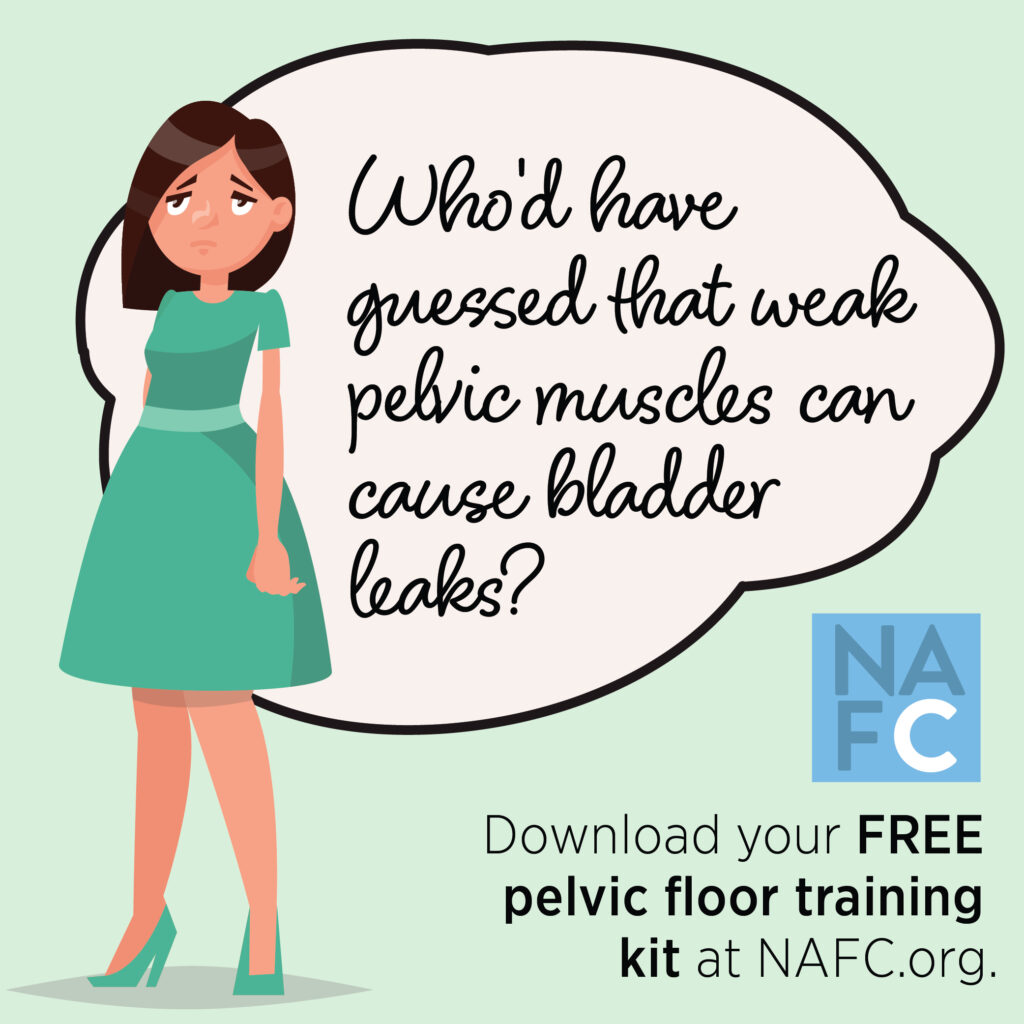
While making healthier lifestyle changes can reduce pressure on the bladder, there are also specific exercises that you can do to target the muscles that control urination. Pelvic floor muscle exercises have proven to be extremely helpful for incontinence self-care, for both women and men.
There are many different pelvic floor exercises that beginners can easily incorporate into their exercise routines. You can even do Kegels sitting in a chair or lying in bed! We recommend starting with 3 sets of 10 reps and building up your reps from there. Any amount you can do per day is great. However, it is important to listen to your body and take a break if you’re experiencing muscle fatigue or soreness.
It is also important to note that you can stretch your pelvic floor muscles, as well. If you’re experiencing symptoms of urge incontinence, you may have a pelvic floor that is too tight. If you’re experiencing stress incontinence symptoms, your pelvic floor is likely weak. With this in mind, it could be better for your incontinence self-care to stretch your pelvic floor muscles if you’re experiencing urge incontinence. You can stretch your pelvic floor muscles by implementing common stretches such as the butterfly stretch or deep squats.
Information provided by Aeroflow Urology is not intended as a substitute for medical advice or care from a healthcare professional. Aeroflow recommends consulting your healthcare provider if you are experiencing medical issues relating to incontinence





One Response
We’re do you get bladder pads at for the bed cloth ones than you.