

Believe it or not, what you eat can affect your bladder. This is especially true for individuals living with urinary incontinence or the loss of bladder control.
Certain foods, like citrus, spicy foods, tomato-based products, caffeine, and more, can all have a negative side effect on your bladder.
Use this blog to find out if you’re eating and drinking items that are worsening or causing your incontinence symptoms and discover the easy swaps you can make so your diet isn’t the cause of these issues.
What Is an Irritated Bladder?
It can be tricky to know if your bladder is irritated by foods and drinks, but the following symptoms are giveaways for most people.
- Pain or burning while urinating.
- Poor bladder control (leaking urine, urinary frequency or urgency).
- Pressure or pain in the bladder or pelvic floor muscles.
If you experience any of these symptoms, it may be a sign of a bladder condition.
Common bladder conditions include:
- Urinary tract infections (UTIs): UTIs happen when bacteria infect your urinary tract through the urethra, leading to symptoms such as burning or pain while peeing, cloudy urine, and feeling like you need to empty your bladder more frequently than usual.
- Interstitial cystitis: Interstitial cystitis leads to pain and pressure in your bladder accompanied by symptoms like painful and frequent urination.
- Urinary incontinence: Urinary incontinence is the loss of bladder control commonly leading to accidents. Different types of urinary incontinence include:
- Overactive bladder (OAB / Urge incontinence): With OAB / urge incontinence, you will feel the need to urinate suddenly and frequently and use the restroom more often than usual.
- Stress incontinence: Leaking urine when coughing, sneezing, or exercising.
Drinks That Irritate the Bladder
- Citrus: Juices like tomato, grapefruit, orange, and pineapple, have high acidity content which can cause bladder irritation.
- Caffeine: Caffeine acts as a diuretic (causes the body to release more water through urine), sending you to the bathroom more frequently.
- Alcohol: Alcohol also acts as a diuretic. Alcohol can also increase your chances of nocturnal enuresis (bedwetting).
- Dairy: Dairy drinks, like milk, are known to irritate the bladder in certain individuals.
- Carbonated drinks: Some carbonated drinks, like soda, may increase your trips to the toilet due to their acidity.
Foods That Irritate the Bladder
- Citrus: Just like citrus juices, pineapple, tomato. grapefruit, and orange foods can irritate your bladder due to their high acidity content.
- Cranberries: Cranberries can cause bladder irritation because they have high levels of acidity.
- Spice: Spicy foods can bother the lining of your bladder which can end in increased trips to the toilet.
- Monosodium glutamate (MSG): MSG is an ingredient used to bring out flavors in foods, especially processed foods. While it may taste good, it can irritate your bladder.
- Raw onions: Raw onions can irritate your bladder, especially if eaten raw.
- Dairy: Cheeses and other dairy products can irritate your colon and may lead to bladder issues in some people.
- Artificial sweeteners: Sweeteners in diet or low-calorie foods have been found to irritate the bladder.
- Processed foods: Processed foods may have sweeteners and preservatives in them which can irritate your bladder.
How to Avoid an Irritated Bladder
Follow these tips to avoid an irritated bladder.
- Avoid foods and drinks that can increase the risk of an irritated bladder. Use the lists above to steer clear of bladder symptoms.
- Drink lots of water. Hydration can ease bladder symptoms by lessening your risk for UTIs, decreasing bladder irritation. Staying hydrated can also help lessen your risk for constipation which can be a cause of bladder conditions.
- Eat fresh foods. Fruits and vegetables are great for bladder health since many of them contain vitamin C and calcium.
- Eat healthy carbs and fiber. Healthy carbs and fiber, like whole grains, beans, oatmeal, lentils, and brown rice can prevent constipation and keep your internal systems flowing smoothly.
- Use incontinence products.
- Record the food you eat. Write down the foods and drinks you consume to keep track of what may be setting your bladder off.
Other Helpful Tips
- Use incontinence products. If you have incontinence due to an irritated bladder, using protective products, like bladder pads and adult pull-ons can help limit the risk of having accidents. You may be able to get incontinence products for free with Aeroflow Urology and your Medicaid or Medicaid-managed care plan. Aeroflow provides incontinence supplies to those with incontinence who qualify. They ship your products to your doorstep every month, help you easily refill supplies, and their team of Continence Care Experts are happy to help with any questions you may have! Aeroflow Urology carries a range of products, like:
- Adult briefs
- Adult pull-ons
- Bladder control pads
- Pediatric diapers
- Pediatric pull-ups
- Other supplementary items, like gloves, wipes, underpads, and more
- Use a bladder diary. A bladder diary is a tool that can help you track not just your bathroom habits but also your eating habits. By recording these two habits daily, you can work with your healthcare provider to discover what may be causing your bladder irritation.
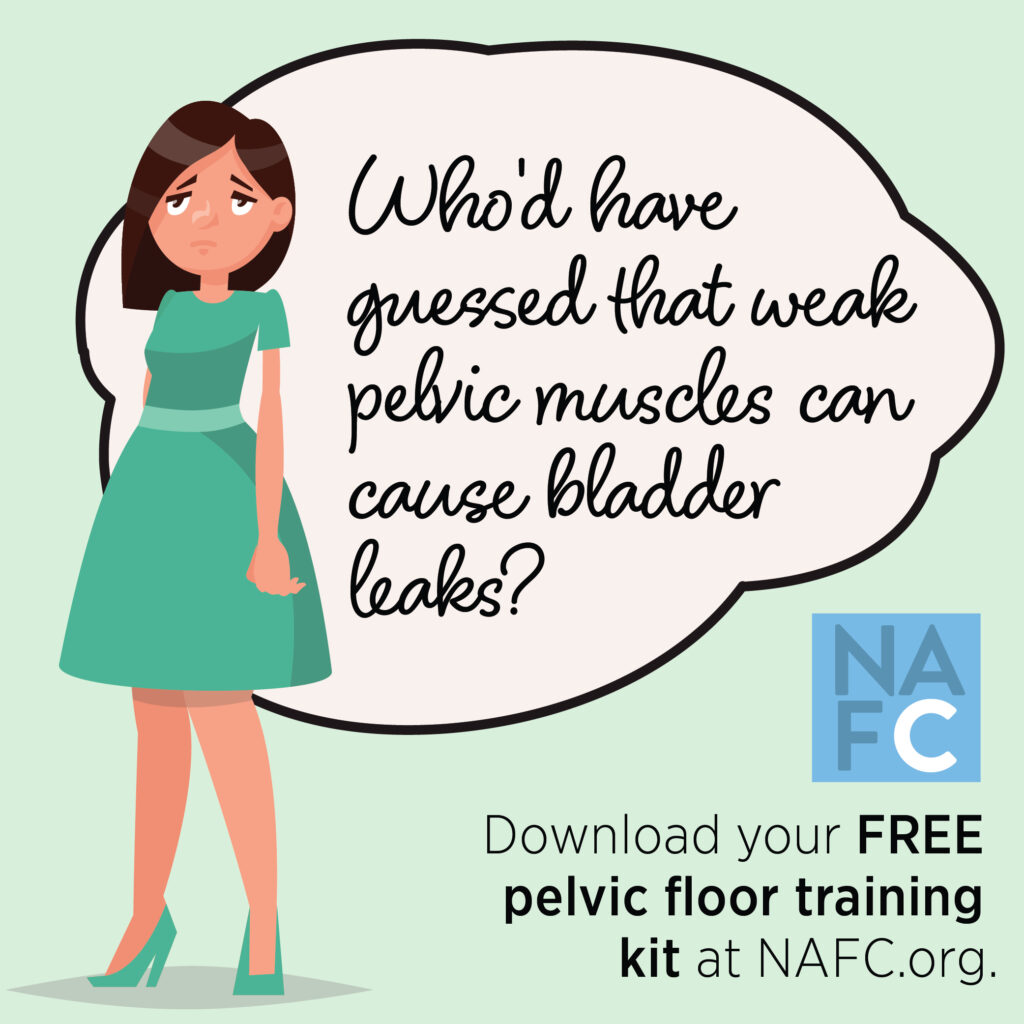
- Do pelvic floor exercises. Pelvic floor exercises may be able to help you ease your symptoms of incontinence by strengthening your pelvic floor muscles. Try Kegels or other forms of exercise to strengthen your pelvic muscles. And remember- these exercises aren’t just for women; Men can do them, too!
- See a pelvic floor physical therapist. A pelvic floor physical therapist (PFPT) can help you identify the issues with your bladder and determine why it’s irritated. They can also assist in pelvic floor exercise guidance to help you regain strength.
- See a urologist. Try to get a referral to a urologist from your regular healthcare provider. Like pelvic floor physical therapists, urologists can help to determine what is causing your bladder irritation. You can also review your bladder and food diary with your urologist or pelvic floor physical therapist on your initial and recurring visits to narrow down which foods are causing your irritation, and to identify your bathroom patterns. This can give you lots of insight into your condition and help your provider make a plan to improve it.
- Practice good hygiene. Keep your bladder less irritated by practicing good hygiene. Wash or bathe yourself regularly to keep bacteria away and steer clear of urinary tract infections or other infections that may harm your bladder and cause symptoms of incontinence. Wash with a gentle cleanser and dry yourself thoroughly after bathing, especially if you’re using incontinence products like diapers, pull-ons, or bladder pads. This will help keep your skin free of moisture where bacteria love to be.
Step-by-Step Guide to Getting Free Incontinence Supplies With Aeroflow Urology
To see if you qualify for incontinence supplies covered by your insurance, follow these three steps.
Step 1. Fill out Aeroflow Urology’s Eligibility Form.
Step 2. After filling out the form, one of our Continence Care Specialists will take care of everything! They’ll be in touch with you to help you find the perfect products for your lifestyle, whether you need adult briefs, bladder pads, or something else.
Step 3. When you choose your supplies, they will be shipped directly to your home in discreet packaging. We’ll text or email you every month so you can restock and never run out of incontinence supplies again!






4 Responses
I have frequent UTI and is now , was on 4 bouts of antibiotics with no relief- still my urinalysis showed nitrites, RBC,WBC .
Que ocurre si tengo engrosamiento de la vejiga, tomo de 2 a 3 y medio litros de agua purificada por día.. pero voy a orinar de 7 a 8 veces al día, y en ocasiones orino 900 mm a 600mm por vez. No me duele, no orino sangre, ni me arde al orinar ? O sea casi 4 litros de orina por día.
Can a man use a condom as an inexpensive devise to contain small leaks of urine?
Eating raw pumpkin seeds daily ( 2-4 Tb. +) has helped me sleep without going to the bathroom 1-2 times during the night. I try to stay fit with at least 5,000-7,000 steps daily (pedometer app) and try to eat whole grains, fruits, veggies, less red meat, and cut down sugar! Read pumpkin seeds are beneficial for men’s prostate health as well. Praying for God’s wisdom and peace daily which helps a lot to decrease stress which makes any problem worst! Thx for folks’ helpful tips! Will try flax meal next to cut down frequency. Hourly timer on my cellphone helps as a reminder to find a restroom to prevent sudden urgency before it’s too late! Blessings!