

Incontinence Go-Bag Checklist for Women
Living with incontinence means that emergencies can happen anywhere, anytime. Sometimes it’s at the airport right before takeoff, or even in the elevator while out shopping. When you have an emergency, you can feel helpless and stressed, especially when you weren’t ready for it. In moments like these, living with incontinence can feel overwhelming. It can make you feel like your body isn’t under your control. It’s natural to feel like this. To feel like your day is out of your hands. To wish that life were easier.
But there are ways to take back little pieces of your day. One strategy is to have a go-bag ready. A go-bag is a small kit with essentials like wipes, spare clothes, or emergency supplies. Having one will help you feel more prepared when leaks show up unexpectedly. You will face the day with a little more peace of mind, which really makes a difference.
SUMMARY
Step 1: Choosing the Perfect Bag
Now that we understand why we need a go-bag, it’s time to pick the right one. Your perfect go-bag doesn’t have to be dull or boring. It’s also best if it doesn’t scream “medical supplies”. The right bag should be discreet and look like your other stylish bags.
To give you an idea, here are two choices you can try:
- A cute tote or messenger bag for work or weekend outings.
- A small backpack or gym bag if you’re active or running errands.
You’ll also need flexibility, so think in terms of two sizes:
1.The Day-to-Day Pouch: A small, discreet, waterproof zip pouch (like a sturdy cosmetic bag) that holds 1-2 spare pads/liners and a few wipes. This fits inside your regular purse or coat pocket.
2.The Extended Outing/Travel Bag: A medium-sized tote or backpack that fits your full emergency kit. Look for one with a waterproof lining or, at the very least, a heavy-duty nylon exterior. Heavy-duty nylon just holds up better.
If you’re running errands or traveling, you’ll probably have to use a public bathroom. We all know how cramped those can be. It’s best to find a bag that will help you stay organized while you change.
Here’s what to look for:
- A bag with multiple compartments to ensure nothing gets cross-contaminated, and always separate clean items from disposable ones.
- Bags with easy-access pockets for quick retrieval when you’re in a hurry.
Step 2: What to Pack
Your bag’s all ready, and now it’s time to pack the essentials. These are your protective products (pads, liners, diapers, and underwear) and freshening products (wipes, barrier cream, and sanitizer).
The Main Protective Products (Diapers, Underwear, Liners & Pads):
When packing, start with a quick checklist. To help, ask yourself these questions to know what to take. How long will I be away? Will it be a 4-hour, 8-hour, or all-day trip?
- For a typical 4-hour outing, pack two spare products (pads, liners, or disposable underwear).
- For a longer day or trip, pack at least three to four spare products.
- If you’re going on a trip and will be away from home for days, pack disposable underwear and pads.
Your incontinence type will determine what to pack.
Incontinence Type | What To Pack |
Moderate to heavy urinary incontinence | Diapers, briefs, or reusable underwear. |
Light urinary incontinence | Incontinence underwear, liners, or pads |
Moderate to heavy urinary incontinence | Adult briefs or pull-ups |
Light fecal incontinence | Liners or thin anal leakage pads |
We all want to be practical when packing. What’s the point of carrying more than we really need? So, to be even more efficient, remove products like pads from bulky original boxes/wrappers. Lay them flat in a zippered pouch. It adds space and keeps your things private.
Surprises happen. So, don’t forget to always pack extra. Not sure which backup works best? Include one incontinence underwear for women with high absorbency. This one small difference can prevent a major leak.
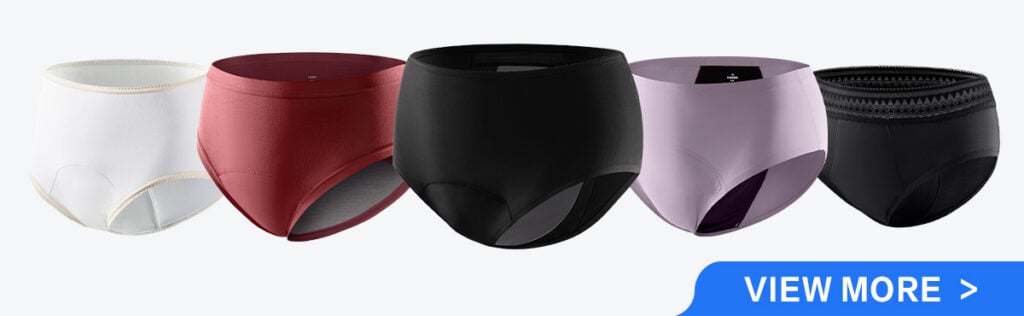
Choosing the Right Absorbency: A Key Step Toward Comfort and Confidence
Freshening Products:
Wipes:
Your skin in your sensitive areas is most vulnerable because it is always exposed to urine or feces. Improper skin care could cause skin burns, infections, incontinence-associated dermatitis (IAD), or pressure sores.
That’s why you need wipes that not only clean but also protect the skin. The British Journal of Nursing published a study recommending wipes with these properties. They also work well with barrier creams:
- Have dimethicone 3%. These are silicone-based, so they clean well and protect your skin from irritation or sores caused by urine and feces. They also help prevent IAD.
- pH-balanced. Since it matches your skin’s pH (the balance between acidity and alkalinity), you’re less likely to have a reaction.
- Soft-texture.
- Paraben-free (made without parabens, a common chemical preservative that can disrupt hormones)
- Hypoallergenic (safe for sensitive skin)
Barrier Cream/Skin Protection:
Barrier creams coat the skin by creating a film that prevents moisture from sitting on your skin.. They also heal and moisturize. You’ll need this after cleansing with wipes.
Hand Sanitizer:
And of course, a simple pocket-sized bottle is necessary for hygiene when a sink isn’t readily available.
Odor Neutralizer:
Carry a small, travel-sized fabric or air spray neutralizer (not heavy perfume) for freshening up. This is really not a must. Still, it’s useful if it makes you feel more comfortable about bathroom odors.
Step 3: Always Have Something Extra to Wear
Even with your best precautions, accidents can happen. And remember, if a leak happens and your clothes get ruined, it’s not your fault or a reflection of who you are.
How can you be ready just in case? It’s a good idea to pack an extra set of clothes:
Always carry at least two clean pairs of underwear (or protective briefs like adult plastic pants
For your emergency bottoms, choose a neutral, dark-colored pair of lightweight leggings, yoga pants, or a skirt. Dark colors like navy, black, or charcoal are far better at disguising any minor dampness or stains.
For a quick fix until you can get to a private changing space, keep a light shawl, cardigan, or oversized scarf in your bag. Use this to casually cover a spot while you walk to the restroom.
I understand. It’s quite a list, but we don’t have to feel overwhelmed. We just need to pack it down. Do this by choosing lightweight, wrinkle-resistant fabrics. They are also easy to put on/take off.
Step 4: Things to Keep in Mind and How to Handle Problems
High-Risk Travel and Documentation:
Let’s say you need to travel or take a long flight. This will require extra planning.
Ask your physician or physical therapist for a discreet ‘Travel Letter.’ This document explains your medical need for immediate bathroom access and can be shown privately to flight attendants, gate agents, or security personnel in a crisis, helping you avoid stressful public confrontations.
Pack enough supplies for the first 24–48 hours in your carry-on luggage. Checked bags can be delayed or lost, and scrambling for specialty supplies is a major stressor.
Medication:
If you take scheduled bladder control or constipation medication, be sure to include a dose in your go-bag.
Using Public Restrooms:
Nobody likes the hassle of public bathrooms. So, what can you do to make it less of a headache?
Never leave your Go-Bag outside the stall. Always bring your bag/tote with you. If anyone asks (they rarely do), it’s just your purse or gym kit. People are far less likely to question a woman carrying a bag.
Focus on the clean-up process, use your neutralizer, and walk out of the restroom with the same calm you walked in with.
Also, carry one extra pair of socks. They take up minimal space but are invaluable if your feet get wet during a change or accident.
Dealing with Soiled Clothes:
Once you’re done changing, you probably want to toss things quietly.
A roll of opaque, scented, or odor-locking disposal bags (like diaper-style bags) can help. They seal in both the product and odor, allowing you to dispose of them hygienically.
Also, don’t panic about carrying wet items home. Once you change, immediately place the soiled clothing into a designated sealable, heavy-duty waterproof bag. This contains the odor and moisture completely.
Step 5: Enjoy Your Freedom Again
We’ve assembled the right bag, stocked it with the right products, and planned your spare clothing strategy. The work is done.
Just like everyone else, you deserve to enjoy your life. Go to that event. Go meet your friend at that restaurant. Don’t let the anxiety of leaks keep you home.
When you feel relaxed, it shows. That reminds me of a conversation from Rainbow Rowell’s “Eleanor & Park”:
“You don’t care what anyone thinks about you,’ he said.
‘That’s crazy,’ she said. ‘I care what everyone thinks about me.’
‘I can’t tell,’ he said. ‘You just seem like yourself, no matter what’s happening around you. My grandmother would say you’re comfortable in your own skin.”
And for extra peace of mind, consider using CARER incontinence products. We’ve designed them to keep you confident and comfortable all day.

This article was developed in partnership with, and sponsored by, Carer. NAFC collaborates with select partners to bring our community information and resources that support bladder and bowel health.




2 Responses
Where can I get samples of panty liners to try so I don’t have to buy a whole box before I know what I need?
I am looking for a go bag that is discrete for my husbands items. Help