

1-IN-3 WOMEN IN AMERICA CAN NOW PROUDLY DECLARE “I JUST FREE’D MYSELF WITH INNOVO THANKS TO REVOLUTIONARY NEW DEVICE TO TREAT ROOT CAUSE OF BLADDER WEAKNESS
Pleasanton, CA (JUNE 5, 2019) – “OMG. I just free’d myself!” Today, 20 million women in America will rewrite that whispered, uncomfortable admission of bladder weakness[1] into a declarative, celebratory shout thanks to INNOVO®. As the first-in-class wearable, non-invasive solution for Stress Urinary Incontinence (SUI), INNOVO has the potential to positively impact the lives of one in three women.[2] These women will now be able to laugh louder, exercise harder and even sneeze with ease.
The INNOVO thigh-length, elasticized therapeutic shorts are outfitted with eight electrodes sewn in a crisscross formation across the pelvic region. When activated via its attached hand-held controller, INNOVO delivers a series of pelvic stimulations equivalent to Kegel exercises for strengthening the pelvic floor.
“INNOVO can help women declare freedom from incontinence and independence from pads,” said Dr. Nita Landry, board-certified OB/GYN and co-host of the Emmy® Award-winning television show “The Doctors.” “These innovative, therapeutic shorts with targeted muscle stimulations empower women to treat the source for a long-term solution, rather than rely on a short-term pad to manage the problem.”
According to the Urology Care Foundation, one in three women suffer from SUI at some point in their life. Of those women, 23 percent report it negatively impacts their sex lives and 31 percent dress differently because of their symptoms.[3] Of the 33 percent of women who experience SUI after childbirth, 65 percent are still affected over the next dozen years.[3]
What is INNOVO?
INNOVO is the first transcutaneous muscle electrical stimulator cleared by the FDA.2 Utilizing its innovative Multipath™ technology, INNOVO sends targeted and pain-free muscle stimulations through a pair of shorts, via neuromuscular electrical stimulation, to safely and effectively strengthen the muscles in the pelvic floor. In a study, 80 percent of INNOVO users saw significant improvements after four weeks and 87 percent were defined as ‘dry’ or ‘near dry’ at the end of three months.
“I’ve seen first-hand the everyday shame and pain patients endure with Stress Urinary Incontinence,” said Dr. Ruth Maher, co-inventor of INNOVO, Professor, Department of Physical Therapy Philadelphia College of Osteopathic Medicine – Georgia. “With more than 2.5 million, safe and successful therapy sessions in Europe, I’m proud and happy to finally bring this prescribed treatment to women in America.”
INNOVO can be used in the privacy and comfort of one’s home while either standing, reclining or lying down. The recommended treatment is 30-minutes a day, five days a week, for three months. After the three-month period, it is recommended that INNOVO be used once a week for 30-minutes. In each 30-minute session, INNOVO delivers 180 perfect pelvic floor stimulations (or Kegels).
Turning Stress Urinary Incontinence into I’m Confident
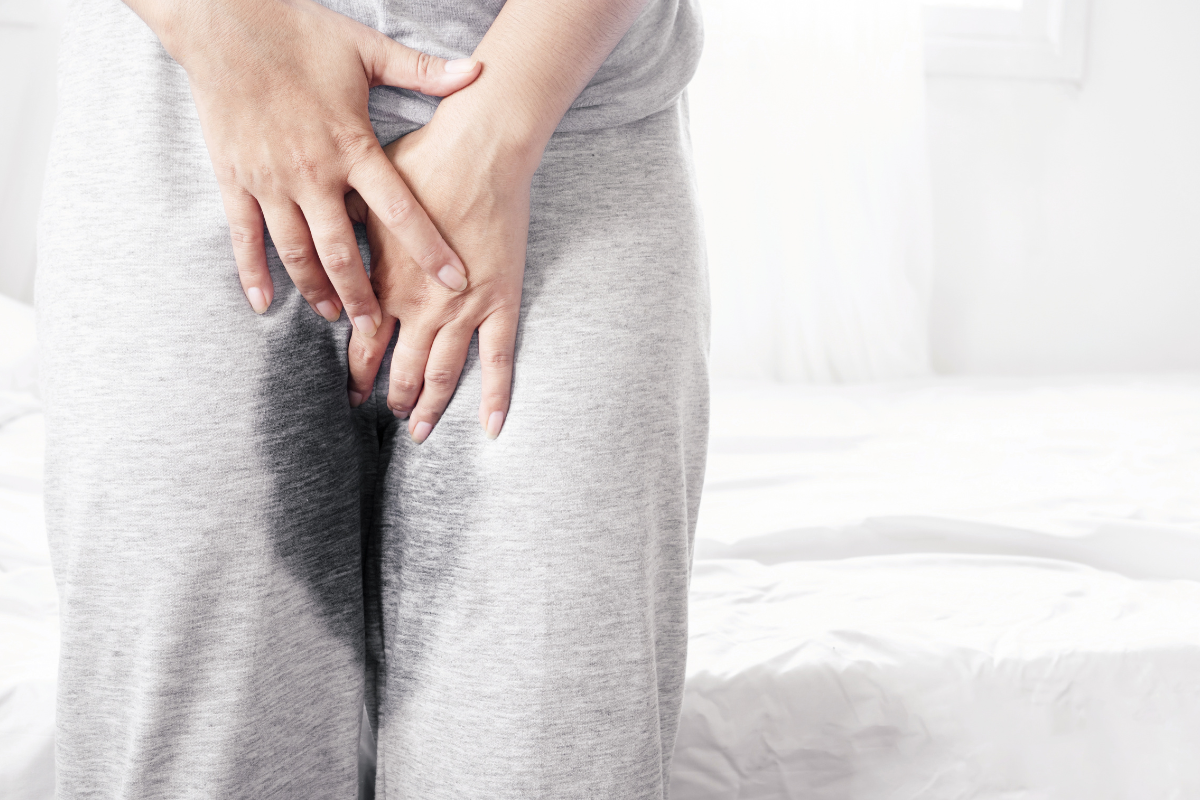
SUI is the term used when leaks accidentally occur after pressure on the bladder from coughing, sneezing, laughing, or exercising. These simple movements put pressure on the bladder and, should the pelvic floor muscles be unable to tighten enough, will cause an involuntary leak. It can happen at any age, however, is most common during pregnancy, post-childbirth [i] and during stages of menopause.
The Prescription for a Pad-free Future
INNOVO is available only by a doctor’s prescription for a US retail price of $449.95. Women interested in treating their SUI should visit myinnovo.com for more information. While not covered by insurance, the price is almost a third less than the average $700 per year typically spent on incontinence pads each year.
About INNOVO
INNOVO is a first-in-class, wearable and truly non-invasive solution that treats the root cause of SUI or bladder weakness safely.1 Utilizing its innovative technology, INNOVO sends targeted and pain-free muscle stimulations through a pair of shorts, via neuromuscular electrical stimulation (NMES), to safely and effectively strengthen the muscles in the pelvic floor.
About Atlantic Therapeutics
Atlantic Therapeutics develops professional and consumer medical devices, related software, apps and connected health technologies to treat all types of incontinence, sexual health dysfunctions, and other associated disorders by strengthening muscles and modulating nerves of the pelvic floor. INNOVO from Atlantic Therapeutics is an FDA cleared, externally applied, patented CE device that delivers a safe, clinically effective and comfortable therapy to treat reversible clinical conditions associated with pelvic floor weakness in the comfort of the user’s own home. Learn more at www.myinnovo.com.
References:
[1] Epidemiology Of Mixed, Stress, and Urgency Urinary Incontinence in Middle-aged/older Women: the Importance Of Incontinence History. Yuko Komesu-Ronald Schrader-Loren Ketai-Rebecca Rogers-Gena Dunivan – https://www.ncbi.nlm.nih.gov/pmc/articles/PMC4957945/
[2] R. Dmochowski – Novel external electrical muscle stimulation device for the treatment of female stress urinary incontinence: randomized controlled noninferiority trial versus intravaginal electrical stimulation. ICS Conference 2018
[3] Urology Care Foundation. What is Stress Urinary Incontinence (SUI)?. https://www.urologyhealth.org/urologic-conditions/stress-urinary-incontinence-(sui). Accessed February 2019.




3 Responses
I purchased the Innovo product and used it a few times with no noticeable change in my condition. I still have the complete unit and an extra set of shorts, that I would like to give to anyone that wants it.
Es posible usarlo los hombres mayores de 80 años, para suprimir la orina nocturna?
Is Innova possible to be used by men having SIU