Skip to content
Donate Now
Search
Search
Healthcare Providers
Donate Now
Subscribe
Conditions
Urinary And Pelvic Floor Conditions
Bowel Conditions
Men’s Conditions
Women’s Conditions
What Could it Be? Take a Quiz
Management & Support
Managing Your Condition
Where Do I Start?
Diet And Exercise
Incontinence Products
Therapies and Procedures
Pelvic Floor Health Center
Download your FREE Pelvic Floor Muscle Training Toolkit
OAB Resource Center
Bowel Health Center
Incontinence Diaries
Treatment Tips
Glossary
Bladder Health at Any Age
Preventing Incontinence Before It Starts
Pregnancy & Childbirth
The Midlife Years
Menopause
All About Digestive Health
Caregiving
What Family Members Should Know
Myths About Urinary Incontinence
Homecare
Fall Prevention And Safe Toileting
Printed Resources
Trusted Partners
Find an Expert
Doctor Finder
Talking With Your Doctor
Ask The Doctor Series
Sign Up For The NAFC Newsletter
NAFC Medical Advisory Board
Centers of Excellence
Apply
List Of Centers Of Excellence
The Incontinence Community
Sign Up For The NAFC Newsletter – Carer Giveaway
Bhealth Blog
Visit The NAFC Incontinence Message Boards
Life Without Leaks Podcast
Pelvic Floor Power Podcast Series
Current Research Opportunities
Featured Campaigns
IBD Patient Stories
We Count – Urinary Incontinence Facts
Download your FREE Pelvic Floor Muscle Training Toolkit
Pelvic Floor Power Podcast Series
X
Conditions
Urinary And Pelvic Floor Conditions
Bowel Conditions
Men’s Conditions
Women’s Conditions
What Could it Be? Take a Quiz
Management & Support
Managing Your Condition
Where Do I Start?
Diet And Exercise
Incontinence Products
Therapies and Procedures
Pelvic Floor Health Center
Download your FREE Pelvic Floor Muscle Training Toolkit
OAB Resource Center
Bowel Health Center
Incontinence Diaries
Treatment Tips
Glossary
Bladder Health at Any Age
Preventing Incontinence Before It Starts
Pregnancy & Childbirth
The Midlife Years
Menopause
All About Digestive Health
Caregiving
What Family Members Should Know
Myths About Urinary Incontinence
Homecare
Fall Prevention And Safe Toileting
Printed Resources
Trusted Partners
Find an Expert
Doctor Finder
Talking With Your Doctor
Ask The Doctor Series
Sign Up For The NAFC Newsletter
NAFC Medical Advisory Board
Centers of Excellence
Apply
List Of Centers Of Excellence
The Incontinence Community
Sign Up For The NAFC Newsletter – Carer Giveaway
Bhealth Blog
Visit The NAFC Incontinence Message Boards
Life Without Leaks Podcast
Pelvic Floor Power Podcast Series
Current Research Opportunities
Featured Campaigns
IBD Patient Stories
We Count – Urinary Incontinence Facts
Download your FREE Pelvic Floor Muscle Training Toolkit
Pelvic Floor Power Podcast Series
Conditions
Urinary And Pelvic Floor Conditions
Bowel Conditions
Men’s Conditions
Women’s Conditions
What Could it Be? Take a Quiz
Management & Support
Managing Your Condition
Where Do I Start?
Diet And Exercise
Incontinence Products
Therapies and Procedures
Pelvic Floor Health Center
Download your FREE Pelvic Floor Muscle Training Toolkit
OAB Resource Center
Bowel Health Center
Incontinence Diaries
Treatment Tips
Glossary
Bladder Health at Any Age
Preventing Incontinence Before It Starts
Pregnancy & Childbirth
The Midlife Years
Menopause
All About Digestive Health
Caregiving
What Family Members Should Know
Myths About Urinary Incontinence
Homecare
Fall Prevention And Safe Toileting
Printed Resources
Trusted Partners
Find an Expert
Doctor Finder
Talking With Your Doctor
Ask The Doctor Series
Sign Up For The NAFC Newsletter
NAFC Medical Advisory Board
Centers of Excellence
Apply
List Of Centers Of Excellence
The Incontinence Community
Sign Up For The NAFC Newsletter – Carer Giveaway
Bhealth Blog
Visit The NAFC Incontinence Message Boards
Life Without Leaks Podcast
Pelvic Floor Power Podcast Series
Current Research Opportunities
Featured Campaigns
IBD Patient Stories
We Count – Urinary Incontinence Facts
Download your FREE Pelvic Floor Muscle Training Toolkit
Pelvic Floor Power Podcast Series
Search
Search
Subscribe
Healthcare Providers Portal
Donate
Donate Now
[give_form id="19690"]
Urinary Incontinence
Browse By Topic
Urinary incontinence
Bowel health
Pelvic floor
Caregiving
More +
Search
Search
URINARY INCONTINENCE
BOWEL HEALTH
PELVIC HEALTH
CAREGIVING
MORE+
Ask The Expert: Why Do I Experience More Incontinence at Night Than During the Day?
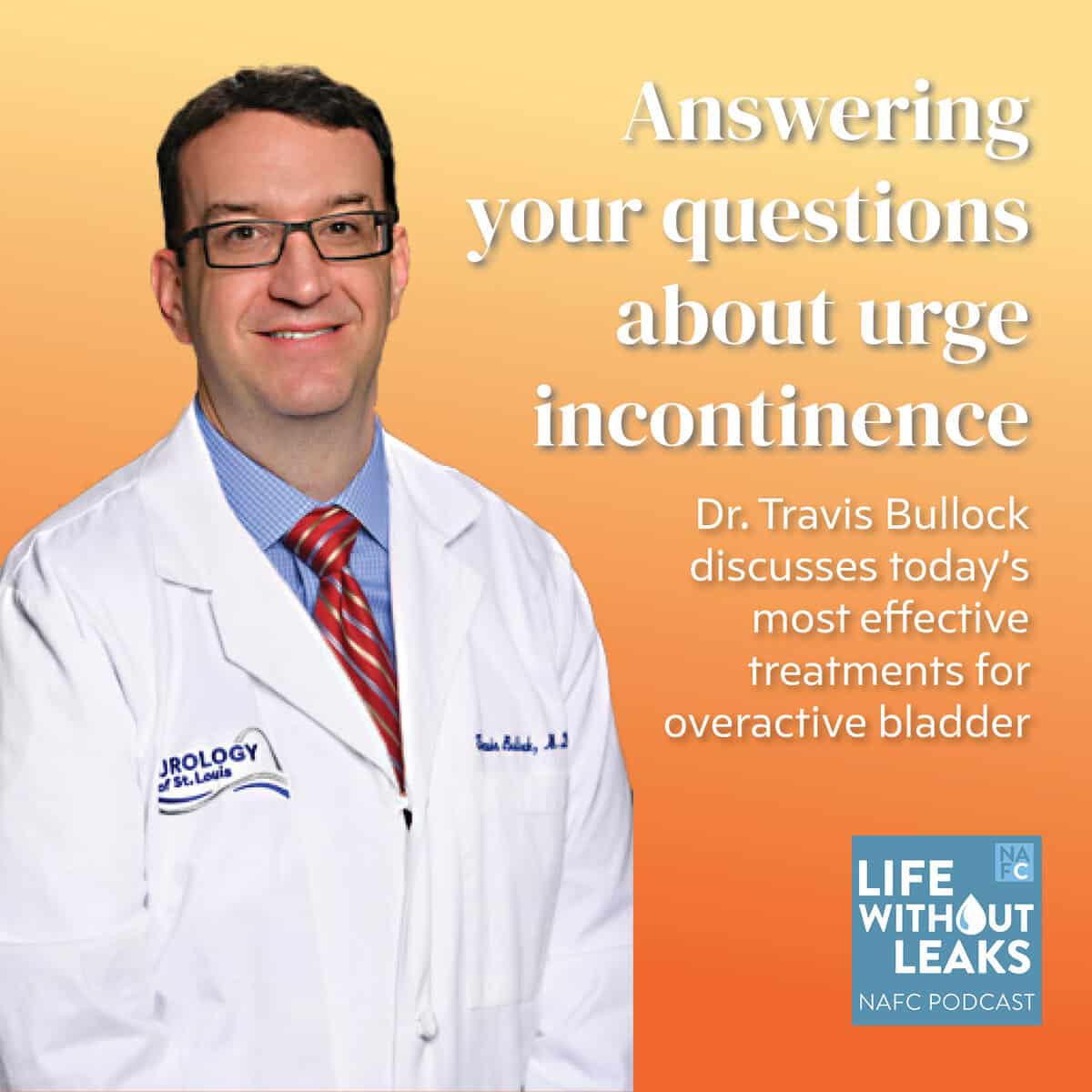
Answers to your questions about urge incontinence and neuromodulation
Managing Overnight Incontinence for a Better Night’s Sleep
Incontinence & Intimacy: Reconnecting After Bladder Leaks
Featured Partner Attends
The Financial Impact of Incontinence: Costs You May Not See
Speaking Up About Incontinence
Incontinence by the Numbers
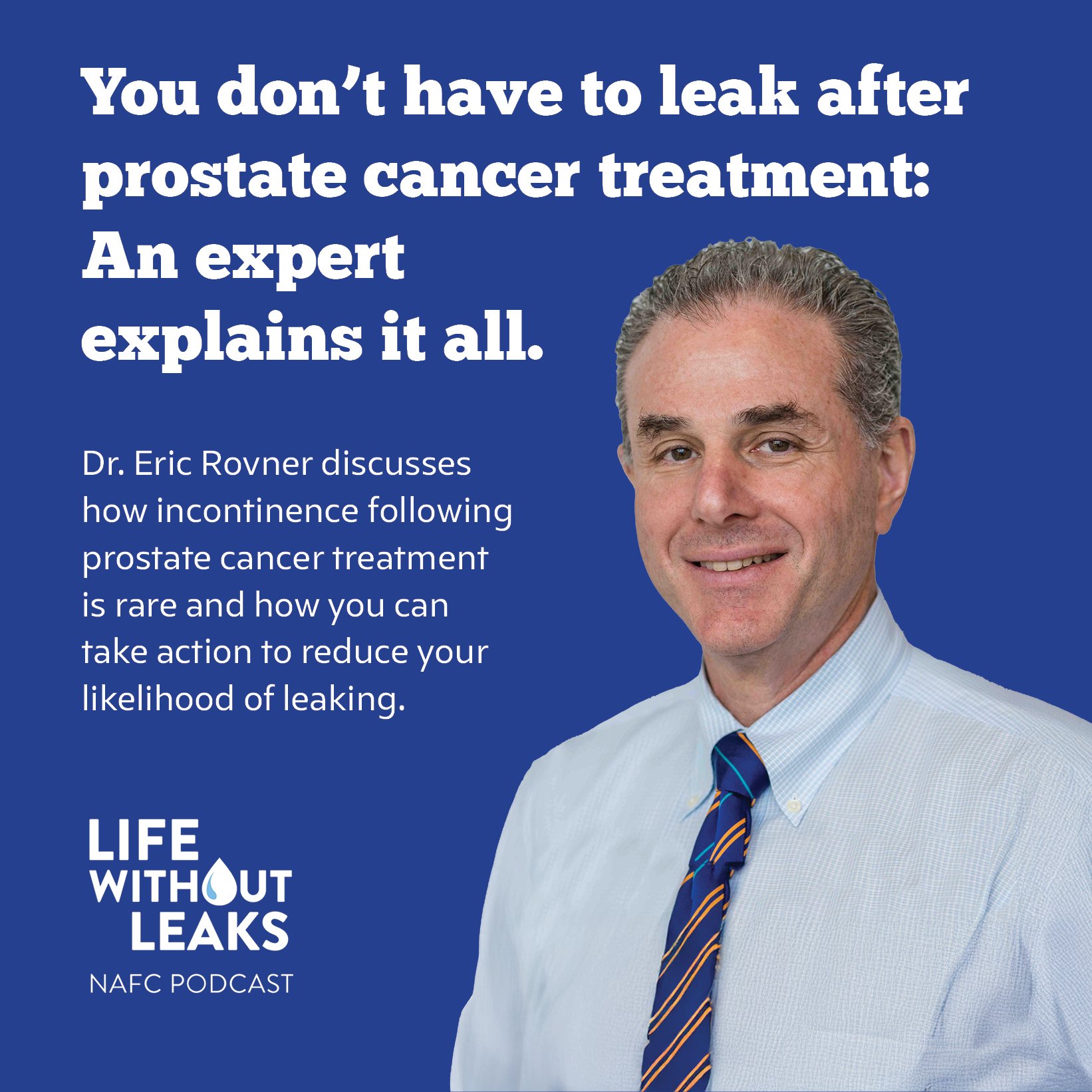
You DON’T have to leak after prostate cancer treatment
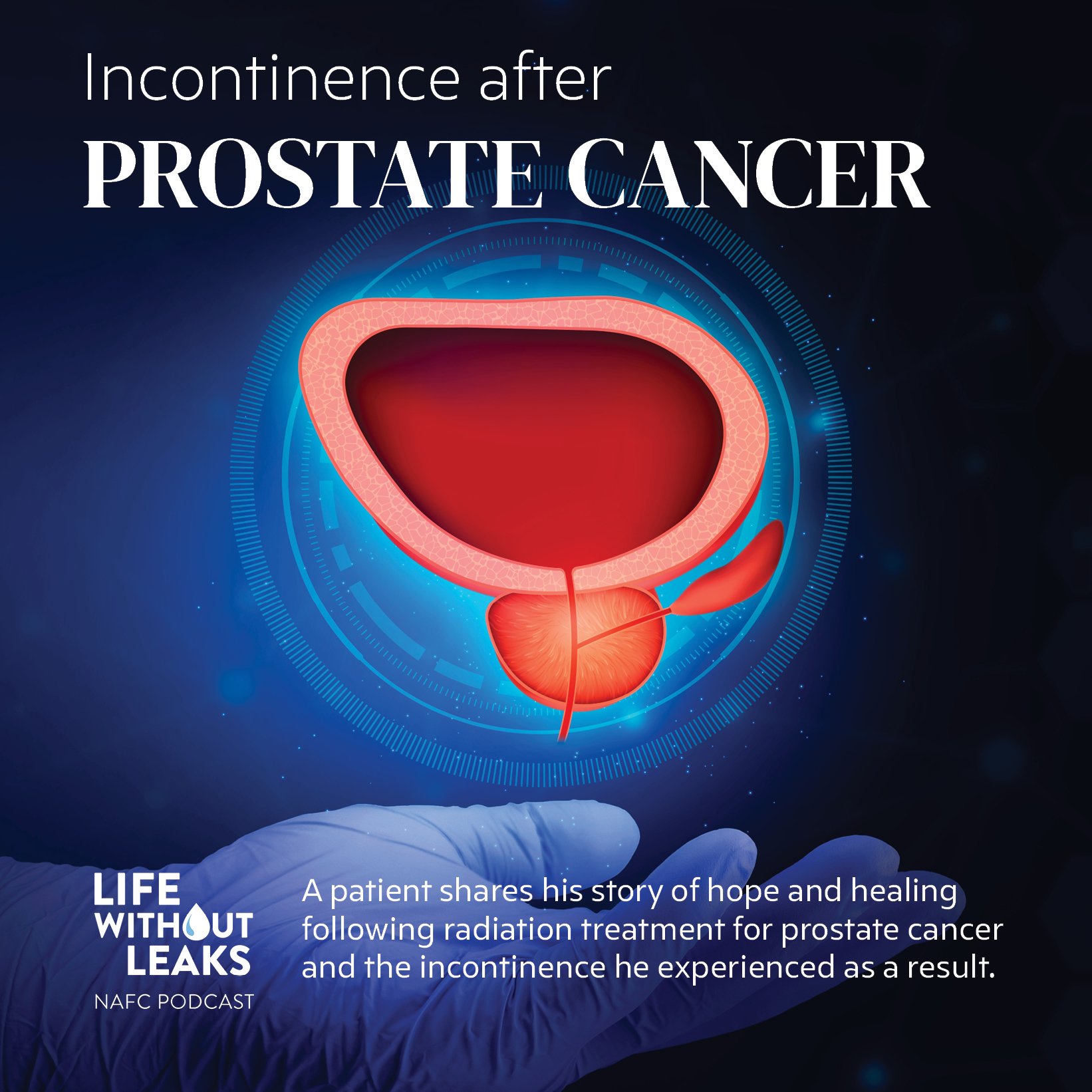
Managing Incontinence After Radiation Treatment for Prostate Cancer
Enjoying the Holidays With Confidence: How to Manage Incontinence During the Festive Season
How to be an effective caregiver for your loved one – and for yourself
« Previous
Page
1
Page
2
Page
3
Page
4
Page
5
Page
6
Page
7
Page
8
Page
9
Page
10
Page
11
Page
12
Page
13
Page
14
Page
15
Page
16
Page
17
Page
18
Page
19
Page
20
Next »