Search
[give_form id="19690"]

Comfort, Savings, and Sustainability: Why Reusable Incontinence Products Make Sense

When it comes to managing incontinence, many people are introduced to disposable products first. But what if there were a better, more sustainable, and more comfortable option? Reusable incontinence supplies—especially underpads—are gaining momentum among patients, caregivers, and healthcare providers for good reason. They offer a smarter long-term solution that balances performance, comfort, and environmental impact.

Let’s explore why reusable incontinence products are becoming the preferred choice for many.

The Sustainability Advantage

One of the most compelling reasons to consider reusable incontinence supplies is their environmental benefit. Traditional disposable products contribute significantly to landfill waste. The average person managing incontinence may use multiple pads daily—adding up to thousands of single-use items per year.

Reusable underpads are designed to be laundered and reused hundreds of times. That means:

  • Less waste in landfills
  • Lower carbon footprint over time
  • A significant reduction in plastic and packaging use

In short, reusable products help protect the planet—without compromising performance.

Cost-Effective Over Time

While disposables may seem more affordable initially, the costs add up quickly. Reusable underpads require a higher upfront investment, but they offer significant savings over time.

For example:

  • One high-quality reusable pad can last 150–200 wash cycles
  • Patients and caregivers can spend less on replacements
  • Bulk laundering (at home or in facilities) reduces per-use costs

Durable construction ensures these products maintain their effectiveness through repeated washing, making them a wise long-term choice. For people managing incontinence daily, this can add up to hundreds or even thousands of dollars saved annually. For eco-conscious patients, caregivers, and facilities, this shift can make a measurable impact.

Enhanced Comfort and Skin Health

The benefits of resuables has been studied and proven for years. A randomized, multi-center clinical trial involving 107 patients across hospitals, home-health agencies, and skilled nursing centers compared reusable underpads to disposables. Results showed that reusable pads performed significantly better in keeping skin, clothing, and bedding dry, reducing fluid pooling, and increasing patient comfort. 

Comfort is more than a luxury—it’s essential for anyone managing incontinence. Unlike some stiff or crinkly disposable pads, reusable underpads often feature:

  • Soft, breathable top layers that feel gentle against the skin
  • Advanced moisture-wicking fabrics that keep users dry
  • Quilted, stay-in-place designs for better sleep and mobility

These features help reduce the risk of skin irritation, pressure sores, and general discomfort, especially for individuals with sensitive or aging skin. Comfort plays a major role in sleep quality, confidence, and overall well-being—making reusable products an excellent option for both day and night use.

Smart for Patients, Caregivers, and Facilities

Reusable incontinence supplies aren’t just for home use. They’re widely adopted in:

  • Hospitals and rehabilitation centers
  • Skilled nursing and assisted living facilities
  • At-home care for older adults or those with mobility challenges

These products are ideal for healthcare environments where consistent performance, comfort, and cost-efficiency are critical.

Switching to reusable incontinence supplies might seem like a small change, but the benefits are substantial—for your wallet, your health, and the environment.

With a wide range of sizes, absorbency levels, and product types available—from underpads to washable briefs—patients can find a personalized solution that fits their needs and lifestyle.

Ready to Make the Switch?

Incontinence care doesn’t have to be wasteful, expensive, or uncomfortable. Reusable incontinence products offer a thoughtful, proven alternative that supports personal dignity, skin health, and environmental responsibility.

For anyone navigating incontinence—whether personally or professionally—these products are worth considering as part of a long-term care strategy.

Whether you’re managing incontinence yourself, caring for a loved one, or overseeing supplies for a healthcare facility, choosing reusable underpads is a step toward better care and better outcomes.

Contact Beck’s Classic Manufacturing to:

  • Learn which product is right for you
  • Find a dealer or distributor near you
  • Get guidance on insurance coverage or bulk orders

Email: info@becksclassic.com
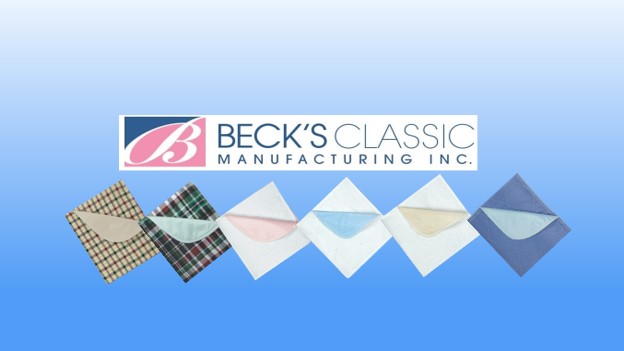
Becks Classic Logo.

This article was developed in partnership with, and sponsored by, Becks Classic. NAFC collaborates with select partners to bring our community information and resources that support bladder and bowel health.

Comments

2 Responses

  1. Please send information about your products and how to order and what’s the cost – thanks

Leave a Reply

Your email address will not be published. Required fields are marked *

This site uses Akismet to reduce spam. Learn how your comment data is processed.

Related Articles

Five women of varying ages stand close together, smiling and laughing. The text discusses vital conversations on health—from postpartum to incontinence after prostate cancer surgery—on the Life Without Leaks NAFC podcast.

From Postpartum to Postmenopause: The Conversations Women Need to Have

In this episode of Life Without Leaks, we’re joined by Dr. Barbara Frank of Harvard Medical School and Brigham and Women’s Hospital, along with Alex Fennell, co-founder of Attn: Grace, an innovative manufacturer of incontinence products.

Together, we explore the realities of bladder leaks and pelvic floor health during pregnancy, postpartum recovery, perimenopause and menopause, and we discuss why more women are finally beginning to talk more openly about their experiences.

The conversation covers:
• The connection between hormones, menopause and bladder leaks
• Why pelvic floor therapy is having a major moment
• The surprising relationship between pelvic floor tension and incontinence
• How products can impact skin health, comfort and UTIs
• The truth about hormone replacement therapy
• Why community and conversation matter so much in women’s health

Alex also shares the story behind Attn: Grace and the company’s mission to create cleaner, plant-based incontinence products designed to support women with comfort, dignity and confidence.

Whether you’re navigating postpartum recovery, menopause symptoms or simply looking to better understand pelvic health, this episode offers expert insights, practical advice and an encouraging reminder that no one should feel alone in these experiences.

A person sitting on a beige bath mat is placing an incontinence pad into their underwear for skin protection. A box labeled Attn: Grace with blue designs sits on the mat nearby.

Ask The Expert: From A Doctor’s Perspective What Are Some Common Questions You Hear?

If you’ve ever sneezed and held your breath hoping for the best, you’re not alone. Bladder leaks, pelvic floor issues, and the constellation of symptoms that go with them are incredibly common — and incredibly under-discussed. We sat down with two of our favorite experts who are changing the bladder leak conversation: Dr. Barbara Frank, Attn: Grace medical advisor and board certified OB/GYN, and Dr. Sara Reardon, pelvic floor physical therapist (and the woman your pelvic floor has been waiting to meet). They took turns asking each other the questions their patients ask most — and answered them with the same candor they bring to the exam room. They cover everything from how to prepare for postpartum, to what question to ask your own pelvic floor PT, to how to manage incontinence during menopause. This is a knowledge drop you don’t want to miss.

Two older women smiling and walking together on a sunny neighborhood sidewalk, one holding a coffee cup. Both enjoy the confidence provided by discreet incontinence products for women. Trees and houses line the street in the background.

How Aging Changes Bladder Control — What Most People Don’t Expect

As an RN who’s worked in geriatrics for over 14 years, I know first hand that changes in bladder control can be a common part of aging. However, what I’ve also learned is that the treatment and management of these changes differ depending on whether they are due to aging or other conditions.
If you’re experiencing more frequent trips to the bathroom or sudden, intense urges to urinate, you might be wondering what is going on and what you can do about it. Let’s talk through some of the changes that might be going on in your body and how you can be better prepared to manage your bladder control.

Five women of varying ages stand close together, smiling and laughing. The text discusses vital conversations on health—from postpartum to incontinence after prostate cancer surgery—on the Life Without Leaks NAFC podcast.

From Postpartum to Postmenopause: The Conversations Women Need to Have

In this episode of Life Without Leaks, we’re joined by Dr. Barbara Frank of Harvard Medical School and Brigham and Women’s Hospital, along with Alex Fennell, co-founder of Attn: Grace, an innovative manufacturer of incontinence products.

Together, we explore the realities of bladder leaks and pelvic floor health during pregnancy, postpartum recovery, perimenopause and menopause, and we discuss why more women are finally beginning to talk more openly about their experiences.

The conversation covers:
• The connection between hormones, menopause and bladder leaks
• Why pelvic floor therapy is having a major moment
• The surprising relationship between pelvic floor tension and incontinence
• How products can impact skin health, comfort and UTIs
• The truth about hormone replacement therapy
• Why community and conversation matter so much in women’s health

Alex also shares the story behind Attn: Grace and the company’s mission to create cleaner, plant-based incontinence products designed to support women with comfort, dignity and confidence.

Whether you’re navigating postpartum recovery, menopause symptoms or simply looking to better understand pelvic health, this episode offers expert insights, practical advice and an encouraging reminder that no one should feel alone in these experiences.