Urinary incontinence has been linked to many causes, typically weak or damaged pelvic floor muscles, use of certain medications, hormonal changes, spinal or nerve damage, and complex medical disorders like autism or spina bifida.
One increasingly common condition at the root of incontinence is obesity. If you have been searching for a plus-sized absorbent care product, there are some important factors you should consider, to ensure you are getting the protection you deserve.
In this article, we will look at the correlation of obesity with incontinence, and discuss five style and design features of adult bariatric incontinence products, to help you find the right plus-sized fit for ideal comfort, leakage control and skin health.
OBESITY AND Incontinence:
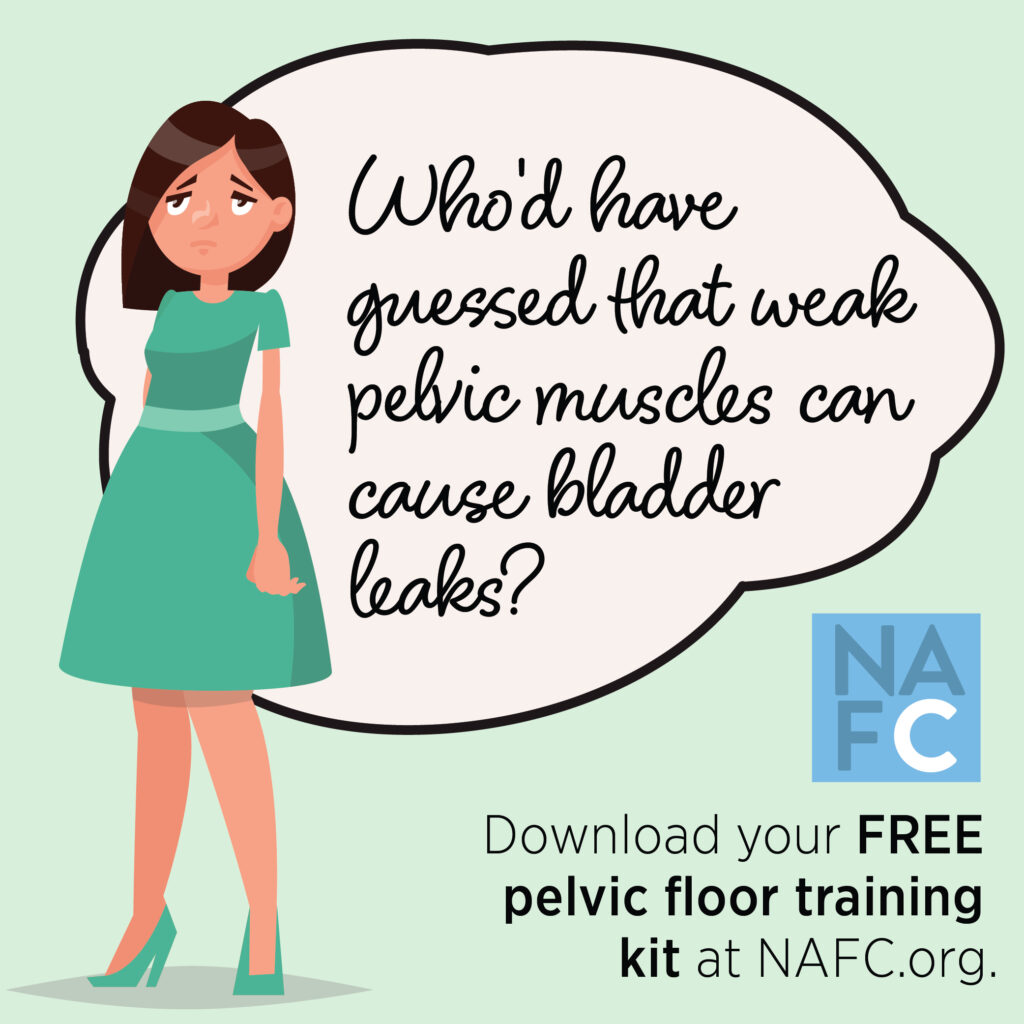
One study defined obesity (as defined by BMI, or body mass index) as the most crucial risk factor1 for being diagnosed with urinary incontinence. According to the research, each five-unit increase in BMI is associated with a 60 –100% increased risk of experiencing daily urinary incontinence.
A separate study2 focusing on BFP (body fat percentage), rather than BMI, found that women with a BFP over 32% were nearly twice as likely to have incontinence than similarly-aged women with a BPF of less than 32%.
While the correlation is clear, scientists have yet to determine exactly what triggers incontinence in obese individuals. Two theories are:
- Excess body weight increases abdominal pressure, which then puts pressure on the bladder
- Chronic strain and stretching of the pelvic area (also commonly associated with pregnancy) causes weakening of the nerves and muscles
Both of these body changes are thought to lead to the development of urinary incontinence, specifically these three types:
sTRESS INCONTINENCE:
A sudden pressure or stress on the bladder that causes urine to unexpectedly leak. Stress incontinence can also result from pressure or muscle contractions on the bladder caused by coughing, sneezing, exercising, heavy lifting or laughing.
Urgency incontinence:
A sudden urge to urinate that is so strong it cannot be held long enough to reach the bathroom. Urge incontinence is also caused by nerve damage, bladder spasms, stroke, and other conditions.
Overactive bladder :
Feeling the need to void more frequently than usual, resulting in urinating more than eight times in 24 hours.
Like all people who experience incontinence, these obese individuals may expect to deal with the loss of bowel or bladder control for the rest of their lives. For others, their incontinence may be temporary as they await treatment or surgery to cure the root condition. In either situation, finding a solution that helps keep their skin as dry and healthy as possible while maintaining their dignity and quality of life is vital. One key to making that happen is understanding the differences between bariatric incontinence products, so you can select the one that is right for you.
What are Bariatric Adult Diapers?
Bariatric adult diapers are disposable incontinence care garments made in expanded waist sizes for people of larger stature. For Tranquility® Brand Products, bariatric adult diapers start at 2XL and go up to 5XL in size, providing a comfortable fit for a maximum waist size of 108″ and body weights of 250 lbs or more. Bariatric adult diapers are designed to contain both urinary and bowel incontinence.
Why are Bariatric Adult Diapers Needed?
Proper sizing is critical for any incontinence disposable products to perform their job correctly. Bariatric adult diapers are for adults with a larger-than-average body mass index or a larger waist measurement, and are created with additional material to provide extra coverage and security. Many bariatric products are made with a highly absorbent core, for those experiencing heavy to severe loss of bladder control and bowel incontinence.
What Should I Look for When Choosing a Bariatric Adult Diaper?
Finding the right bariatric adult diaper can be difficult, because not all incontinence brands offer actual plus-sized products. If you’re looking to find the best bariatric adult diaper that is comfortable, leak-free and keeps your skin feeling dry and healthy, here are five factors to consider:
SIZE
Some supposed bariatric-sized products are too tight in the side panel area, causing the skin to get pinched and leaving the wearer feeling squeezed and uncomfortable. Tranquility designs its bariatric diapers with stretchy side panels that securely wrap around the body without pinching or constraining, offering a truly comfortable fit – all the way up to 108″ waists.
Plastic or Clothlike Materials
Bariatric adult diapers are available in either a poly (plastic) backsheet or a clothlike backsheet for added comfort and breathability. While both materials are moisture-proof and designed to stop fluid and liquid bowel from leaking through, there are other differences. For example, some wearers feel more secure with the appearance of a plastic outer lining, which gives them assurance that no liquid will escape. But for others, the gentler feel and quieter, crinkle-free clothlike material is an important feature to them.
Breathability
If your skin is sensitive to certain materials or conditions (like heat and humidity), look for bariatric diapers designed with breathable materials to keep skin healthy. Products made with 100% breathable materials feature microscopic pores that allow moisture vapor to escape for total comfort. This is especially important where skin can fold and trap in damaging heat and moisture.
Absorbent Capacity
The amount of liquid an adult diaper holds can vary widely. If you are experiencing leaks, try a more absorbent product with a higher-capacity core. Tranquility bariatric products absorb and lock in up to 34 oz of capacity – more than a quart of fluid!
Product Style
The last factor to consider when selecting the right plus-sized adult diaper is whether you prefer brief-style diapers with tabs or pull-on style protective underwear.
Those who prefer the feeling of “regular underwear” usually prefer the pull-on style, because they can put it on and pull it down to remove it when it’s time for a change. Most pull-on style underwear have tear-away side seams that allow the option of conveniently ripping them down the sides for removal.
Brief-style diapers with tabs may be the best option for individuals who have limited or no mobility. Briefs are easier for a caregiver to open and check, and then change if needed, while the wearer is lying down. Briefs also may offer a more adjustable fit than a pull-on, especially if they feature four or more refastenable tabs that can be closed and re-opened to create a more snug or looser fit, depending on personal preference.
Regardless of which style you choose, most disposable products have several traditional product features to look for, including:
- Wetness indicators that turn color or fade away to let you know when a change is needed.
- Leg gathers, leg guards or leg cuffs that help secure leaks and direct the flow of liquid into the absorbent core.
- Fast-wicking acquisition layers that keep moisture away from delicate skin.
How Can Tranquility Help?
Now that you know what features to look for in a bariatric adult diaper, Tranquility is here to help you find the right product for your personal needs. As a pioneer of plus-sized incontinence products, Tranquility made its first bariatric tape-tab brief over 20 years ago and now offers two additional styles:
- HI-Rise Briefs with additional material that rises above the waist, providing extra assurance of protection.
- AIR-Plus Brief with 100% breathable materials that allow heat, humidity and moisture vapor to escape and air to circulate. This is Tranquility’s largest size (4-5XL) for up to a 108″ waist size.
Check out this product video to learn more about what makes Tranquility bariatric briefs different from other plus-size disposable incontinence products.
In addition to these three tape-tab briefs, Tranquility also offers size 2XL pull-on underwear in several styles and protection levels; underpads and booster pads for additional absorbent capacity; and extra care items like cleansing wipes and ThinLiner Moisture Management® Sheets.
If you would like to try a Tranquility product sample, please call our Customer Care Center at 1-866-865-6101, Monday-Friday, 8 a.m.-5 p.m. EST or email CustomerService@pbenet.com.