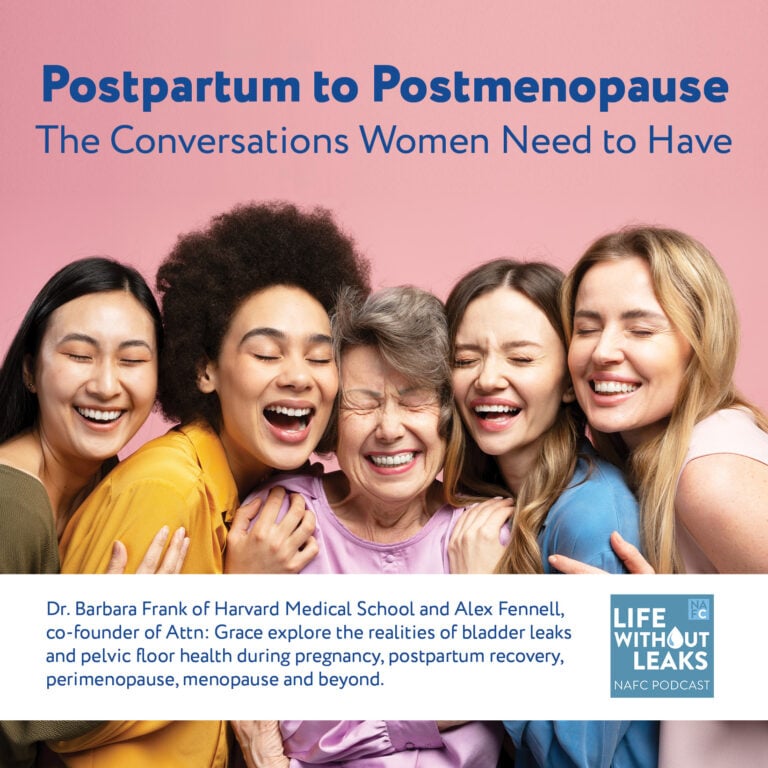
From Postpartum to Postmenopause: The Conversations Women Need to Have
In this episode of Life Without Leaks, we’re joined by Dr. Barbara Frank of Harvard Medical School and Brigham and Women’s Hospital, along with Alex Fennell, co-founder of Attn: Grace, an innovative manufacturer of incontinence products.
Together, we explore the realities of bladder leaks and pelvic floor health during pregnancy, postpartum recovery, perimenopause and menopause, and we discuss why more women are finally beginning to talk more openly about their experiences.
The conversation covers:
• The connection between hormones, menopause and bladder leaks
• Why pelvic floor therapy is having a major moment
• The surprising relationship between pelvic floor tension and incontinence
• How products can impact skin health, comfort and UTIs
• The truth about hormone replacement therapy
• Why community and conversation matter so much in women’s health
Alex also shares the story behind Attn: Grace and the company’s mission to create cleaner, plant-based incontinence products designed to support women with comfort, dignity and confidence.
Whether you’re navigating postpartum recovery, menopause symptoms or simply looking to better understand pelvic health, this episode offers expert insights, practical advice and an encouraging reminder that no one should feel alone in these experiences.
Ask The Expert: From A Doctor’s Perspective What Are Some Common Questions You Hear?
If you’ve ever sneezed and held your breath hoping for the best, you’re not alone. Bladder leaks, pelvic floor issues, and the constellation of symptoms that go with them are incredibly common — and incredibly under-discussed. We sat down with two of our favorite experts who are changing the bladder leak conversation: Dr. Barbara Frank, Attn: Grace medical advisor and board certified OB/GYN, and Dr. Sara Reardon, pelvic floor physical therapist (and the woman your pelvic floor has been waiting to meet). They took turns asking each other the questions their patients ask most — and answered them with the same candor they bring to the exam room. They cover everything from how to prepare for postpartum, to what question to ask your own pelvic floor PT, to how to manage incontinence during menopause. This is a knowledge drop you don’t want to miss.

How Aging Changes Bladder Control — What Most People Don’t Expect
As an RN who’s worked in geriatrics for over 14 years, I know first hand that changes in bladder control can be a common part of aging. However, what I’ve also learned is that the treatment and management of these changes differ depending on whether they are due to aging or other conditions.
If you’re experiencing more frequent trips to the bathroom or sudden, intense urges to urinate, you might be wondering what is going on and what you can do about it. Let’s talk through some of the changes that might be going on in your body and how you can be better prepared to manage your bladder control.
How to Measure for Adult Diapers and Pull-Ons
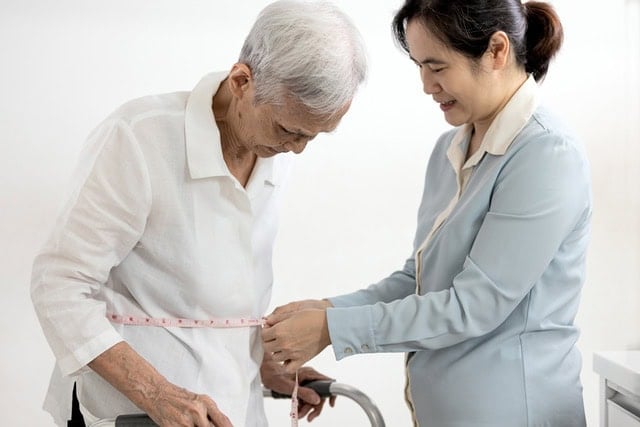
Poorly fitting incontinence products can cause frustrating leakage issues. It’s essential to determine the best fit for the wearer, keeping in mind that different brands of disposable incontinence products vary very differently in their sizing. You might be size large in one brand, and a completely different size in another.
This article will help you find the best fit for your specific needs:

Managing Overnight Incontinence for a Better Night’s Sleep
A good night’s sleep plays an important role in maintaining overall health, comfort, and emotional well-being. For individuals managing incontinence, nighttime can sometimes feel uncertain. Overnight leaks may interrupt sleep, create concern about bedding or clothing, and make mornings feel more stressful than restful. These experiences are common, and they are something many adults navigate at different stages of life.

Incontinence & Intimacy: Reconnecting After Bladder Leaks
For many people, sex and intimacy is about far more than physical closeness. It’s about confidence, connection, vulnerability, and feeling comfortable in your own body.
When urinary incontinence enters the picture, those feelings can quietly change.
While often discussed as a physical condition, incontinence can deeply affect emotional well-being and romantic relationships, something many people experience but few talk about openly.
Incontinence & Intimacy: Reconnecting After Bladder Leaks
For many people, sex and intimacy is about far more than physical closeness. It’s about confidence, connection, vulnerability, and feeling comfortable in your own body.
When urinary incontinence enters the picture, those feelings can quietly change.
While often discussed as a physical condition, incontinence can deeply affect emotional well-being and romantic relationships, something many people experience but few talk about openly.

The Financial Impact of Incontinence: Costs You May Not See
Incontinence is often discussed in terms of symptoms and quality of life but for many people, it also brings a steady (and sometimes surprising) financial burden. Beyond the obvious cost of pads, protective underwear, and skin-care products, there can be added expenses from laundry, missed work, caregiving needs, and medical visits. The good news: understanding where the costs come from is the first step toward reducing them—and getting the right treatment can be a cost-saver, not just a health improvement.

Speaking Up About Incontinence
For many people living with bladder leaks, the hardest part isn’t the symptoms themselves.
It’s deciding to talk about them.
Bladder leaks can feel too small to mention, too embarrassing to explain, or not “serious enough” to justify a doctor’s visit. Many people quietly manage symptoms for years—adjusting their routines, limiting activities, and hoping things don’t get worse.
If this sounds familiar, you’re not alone. And you’re not wrong for feeling this way.
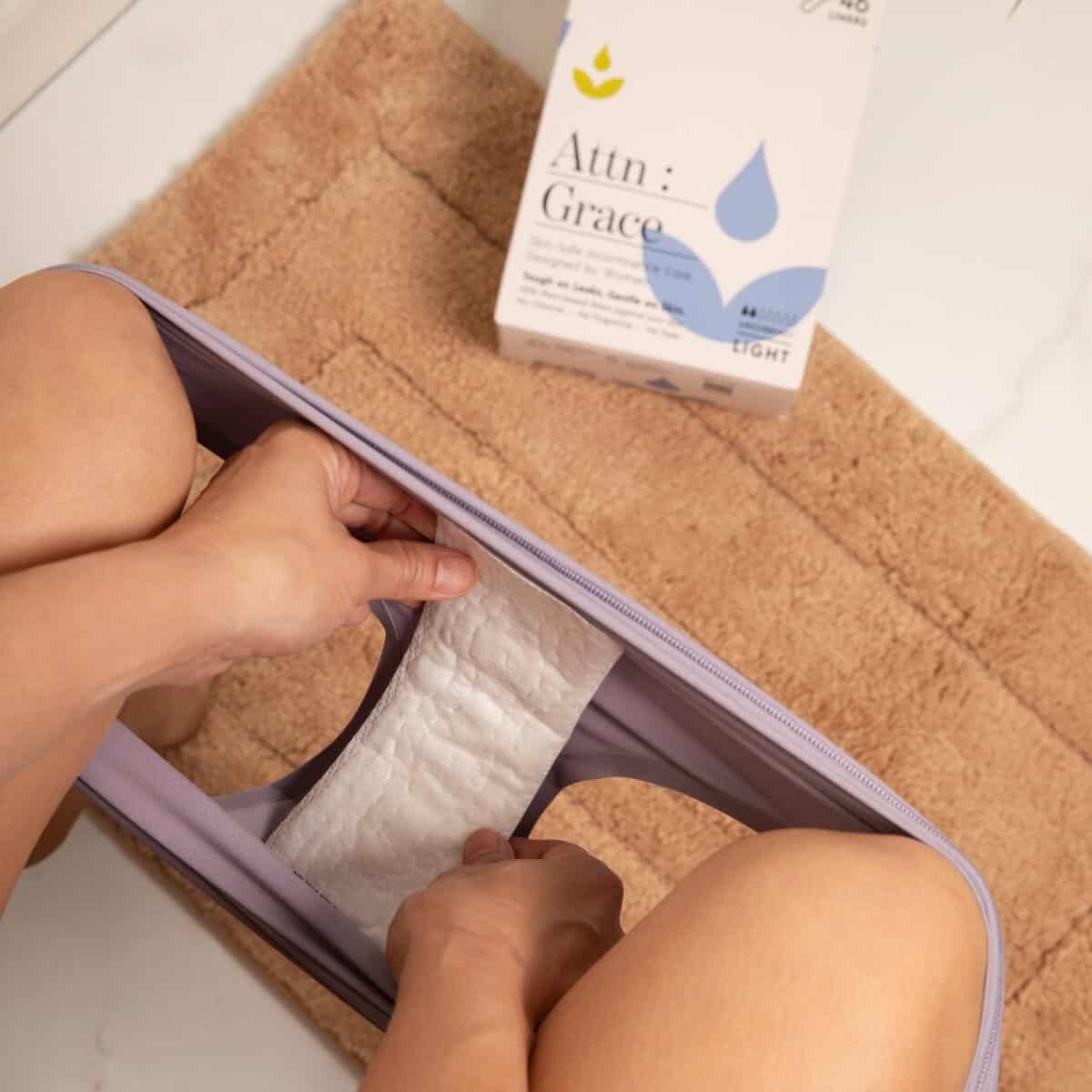
Ask The Expert: From A Doctor’s Perspective What Are Some Common Questions You Hear?
If you’ve ever sneezed and held your breath hoping for the best, you’re not alone. Bladder leaks, pelvic floor issues, and the constellation of symptoms that go with them are incredibly common — and incredibly under-discussed. We sat down with two of our favorite experts who are changing the bladder leak conversation: Dr. Barbara Frank, Attn: Grace medical advisor and board certified OB/GYN, and Dr. Sara Reardon, pelvic floor physical therapist (and the woman your pelvic floor has been waiting to meet). They took turns asking each other the questions their patients ask most — and answered them with the same candor they bring to the exam room. They cover everything from how to prepare for postpartum, to what question to ask your own pelvic floor PT, to how to manage incontinence during menopause. This is a knowledge drop you don’t want to miss.

Why So Many Women Put Themselves Last — and Why It Matters
Women are often the caregivers, planners, problem-solvers, and emotional anchors for everyone around them. They manage households, careers, children, aging parents, relationships, schedules, and responsibilities that rarely stop.
And somewhere in the middle of taking care of everyone else, many women quietly stop taking care of themselves.
They ignore symptoms. Delay appointments. Push through exhaustion. Normalize discomfort. Tell themselves they’ll deal with it “later.”
But later can turn into years.
This Women’s Health Month, it’s worth asking:
When was the last time you truly prioritized your own health
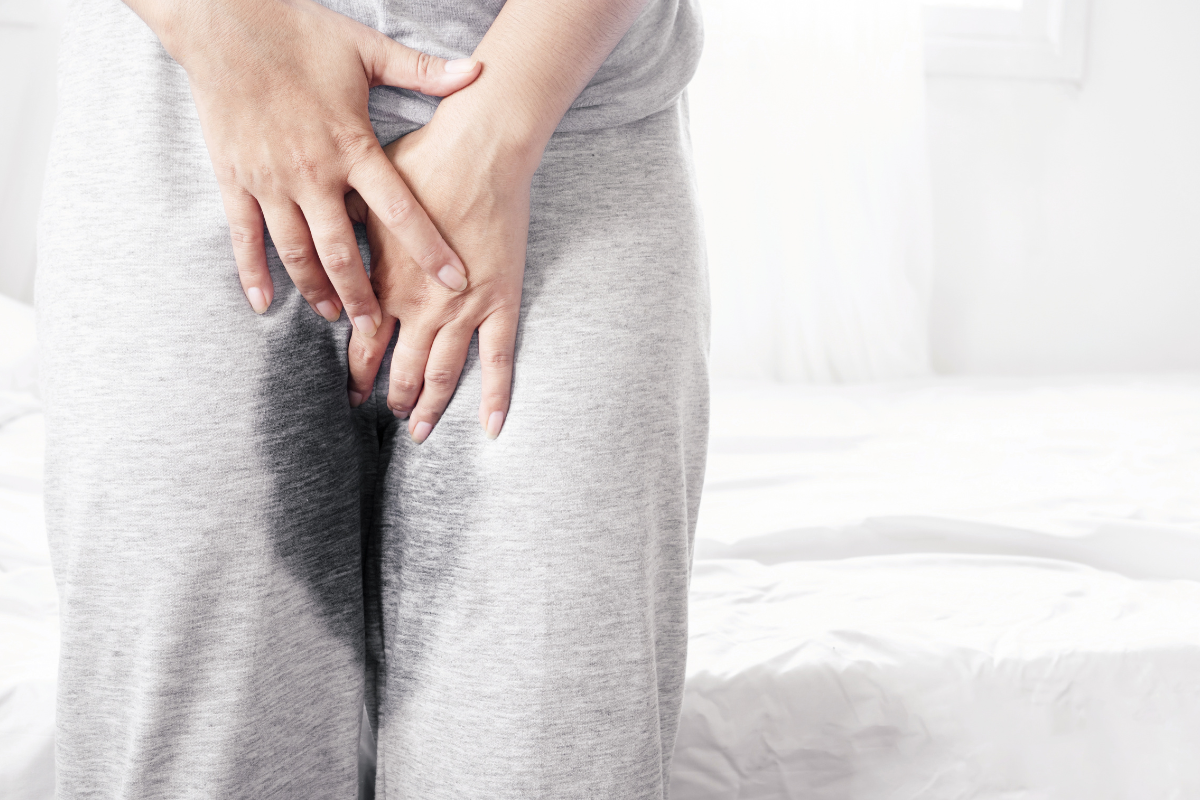
Is Bladder Leakage a Normal Part of Aging?
There is a quiet, widespread belief among women that at a certain age, after children, after menopause, and after “a lot of living,” bladder leaks just happen. You carry a pad. You know which restrooms are the cleanest. You skip the trampoline park with the grandkids. You don’t say anything to your doctor because, honestly, what would they even say? This is just…aging.
Using appropriate absorbent products and a gentle skin-care routine may help support skin integrity.
The medical community is clear: urinary incontinence is common, but it is not a normal or inevitable part of aging. The Mayo Clinic Health System states it directly that “although urine incontinence is common, it’s not normal.” The condition has causes, those causes have treatments, and those treatments, for many women, work remarkably well.