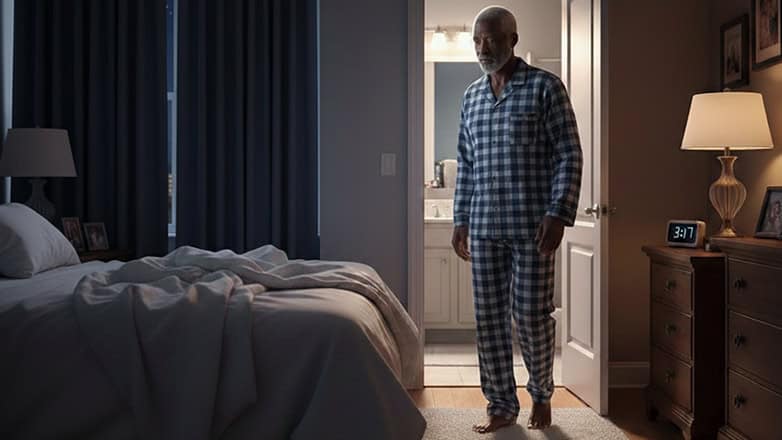
It’s a fact – urinary incontinence happens to men and women of all ages. And while it’s something that no one wants to talk about (even with their doctor), it’s not a condition that should be neglected, and it’s certainly not normal. What Can we Make To Reduce Bladder Leaks?
There are tons of treatments out there that can help, and your doctor really is the best person to talk to about how to treat your condition specifically. But, if you’re just not there yet, here are a few simple lifestyle changes you can try to reduce leaks at home – no appointment needed.
WALK
Sounds strange right? Walking to reduce bladder leaks? But it’s true. Keeping your BMI in check can help reduce or prevent bladder leaks. It can also keep you physically fit, keeps your muscles strong, and can stave off other conditions that can lead to incontinence, or make your current leakage problem worse. And, because walking is generally a low-impact exercise, it’s less likely you’ll leak because of stress to your bladder.
Learn some tips on how to start your own walking group here!
CHECK YOUR MEDICATION WITH YOUR DOCTOR
Certain medications may irritate your bladder, causing you to leak more often. Some medications also act as diuretics, which can cause you to produce more urine and have to go more frequently. If you experience leaks, talk with your doctor about potentially switching up your medications to see if that makes a difference. (Note: never stop taking medication without talking to your doctor first.)
PRACTICE KEGELS
We’ve all heard about Kegels, but they really are a great way for many people to regain control. Men and women can both benefit from this little exercise and while it’s not something that will fix your leaks overnight, it’s a natural remedy that helps your body regain its normal function.
As much as we love Kegels, it is important to note that they aren’t for everyone, and you can overdo them, which can make your problem worse. Practice Kegels with caution, and if possible, see a physical therapist trained in pelvic floor health to make sure they are safe for you.
(Click here to get our free 6-week guide to better pelvic floor health!)
WATCH YOUR FLUID INTAKE
While we’d never recommend restricting your water intake, if you’re concerned about leaks, watching how much, and what you drink can be helpful. Always drink enough to stay properly hydrated. But, if you’re headed out for errands or a road trip, limit it to just what you need to avoid leaks when you can’t be immediately near a bathroom. What you drink is also important. Avoid things that will irritate your bladder, like coffee or sodas.
(Click here to learn a simple trick for knowing if you’re drinking enough water!)
While we’re on the subject of fluid, you should also take a look at your alcohol intake. Anyone who suffers from bladder leaks should know that alcohol isn’t your friend. It’s a bladder irritant in many people, something that can cause an increase in frequency or urgency in needing to go. Alcohol also acts as a diuretic, causing your body to not only produce more urine but making you need to empty your bladder more often. If you must drink, do so in moderation, and take note of how imbibing affects your bladder.
TRY BLADDER RETRAINING
Bladder retraining can help you better control the frequency you need to go. By slowly increasing your time between bathroom visits, you’ll be able to hold it for longer.
Start by waiting five minutes when the next urge to go strikes. See if you can hold it for that long before going to the bathroom and emptying your bladder. After that becomes doable, slowly add more time (15-30 minutes) between bathroom visits until you reach 3-4 hours between visits.
This process can take anywhere from 6-12 weeks until you reach your ultimate goal, but it’s worth it. Don’t get discouraged – you’ll most certainly experience setbacks, but keep at it and you’ll soon see that you’re leaking less and going less often.
Practicing these tips (especially if you do them all together) can help you see a difference in your bladder leakage over time.
What other tips have you tried for reducing bladder leaks? Share them with us in the comments below!