

SUI isn’t a life sentence – effective, innovative treatments are here now
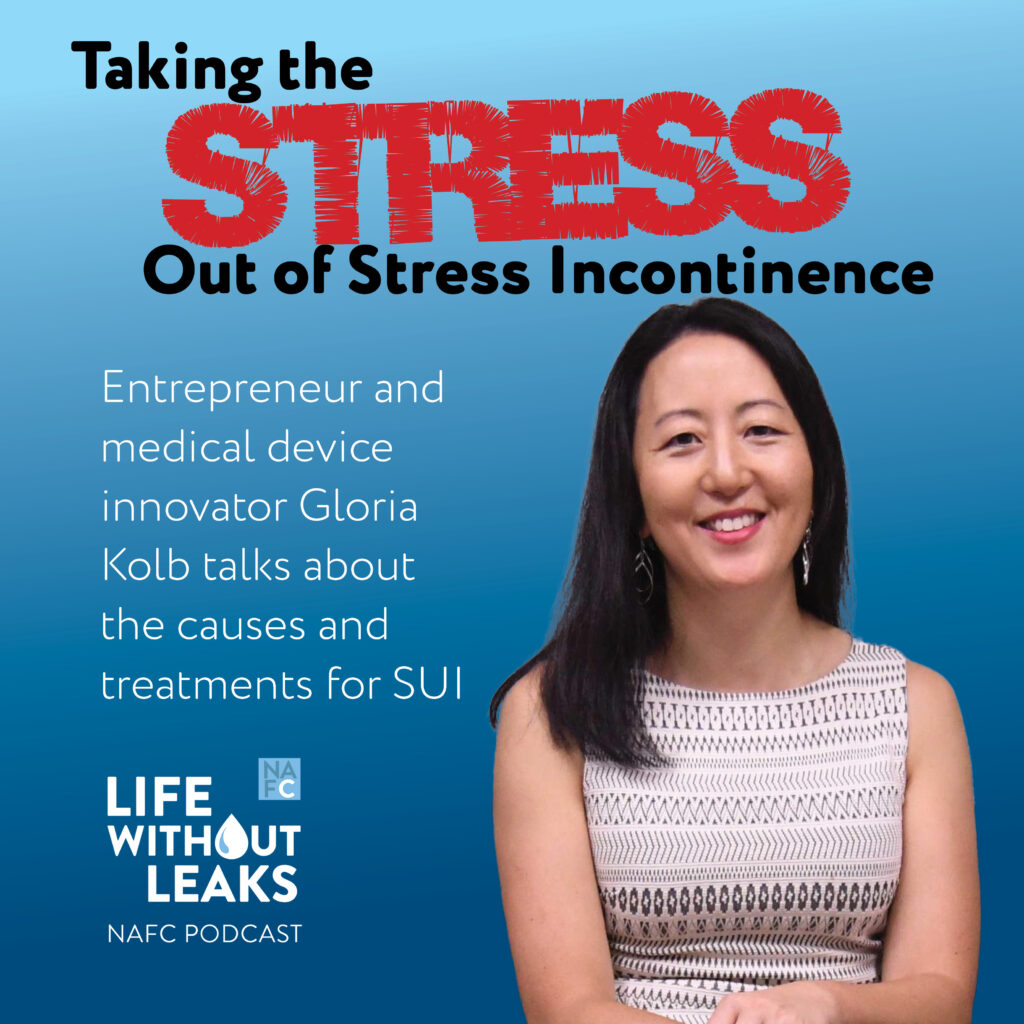
If you’ve had enough of leaking when you laugh or cough or sneeze, if you’ve spent enough on pads and products to help keep you dry, and if you’re tired of just managing your condition rather than seeing real improvements, we have good news for you: Stress urinary incontinence can be treated.
Today’s guest is Gloria Kolb, founder and CEO of Elidah, the medical device company behind Elitone and Elitone Urge. The Elitone family of products are the only FDA-cleared external solutions that tone your pelvic floor and calm your overactive bladder.
Gloria discusses what Stress Urinary Incontinence is in detail, explains why it’s so common and addresses the full range of treatments that patients have available to them.
Practical Tips for Caregivers Managing Urinary Incontinence at Home

Urinary incontinence is a common and often challenging condition, particularly for aging adults and individuals with certain chronic illnesses or disabilities. As a caregiver, managing urinary incontinence at home can be emotionally and physically demanding, but with the right strategies and products, you can help your loved one maintain their dignity, comfort, and quality of life.
This blog provides practical tips for caregivers who support individuals experiencing urinary incontinence. Whether you’re new to caregiving or looking to improve your current routines, these guidelines can help you approach this sensitive issue with compassion and effectiveness.
Taking Charge: A Man’s Guide to Staying on Top of Health Over 40

Turning 40 can feel like hitting a checkpoint in life. You’ve likely weathered a few storms, gained some wisdom, and maybe even started noticing a few new aches and pains. It’s the perfect time to take charge, prioritize your well-being, and set yourself up for decades of energy, strength, and longevity.
Men often put their health on the back burner—blame it on busy schedules, reluctance to go to the doctor, or simply not knowing where to start. But staying healthy after 40 doesn’t have to be complicated. It just takes a proactive mindset and a little bit of structure.
The Most Common Types of Urinary Incontinence

Urinary incontinence is a major symptom of overactive bladder (OAB), a clinical syndrome characterized by urinary urgency (and sometimes frequent urination and nocturia.) According to the American Urological Association, up to 5% of men and 30% of women experience urinary incontinence in the U.S.
A little nerve could be all it takes to stop your leaks…

If you think that your only hope for treating overactive bladder is to focus on your pelvic floor muscles, you may be overlooking a different type of approach that’s been proven successful for hundreds of thousands of patients: Nerve stimulation. It turns out that certain nerves play a critical role in bladder function, and there are devices that can stimulate those nerves to substantially reduce leaks. Many patients find that their symptoms improve by 50% or more with a simple, in-office procedure called sacral neuromodulation. Today’s guest is Dr. Vikas Desai, a urologist, a board-certified member of the American Urologic Association and a member of the Society of Prosthetic Urologic Surgeons, to tell us more about it.
Women’s Health: What To Expect At Every Stage

Women’s Health Month is a time to focus on the unique health needs of women and encourage proactive wellness. This month serves as a reminder for women to prioritize their health through education, self-care, and regular screenings. Whether you’re in your 20s, 40s, or beyond, maintaining a healthy lifestyle and staying up to date with essential check-ups can lead to long-term well-being.
Caring for your skin when living with incontinence

Anyone who lives with incontinence knows that leakage isn’t just embarrassing or uncomfortable – it can create skin issues that range from simply irritating to genuinely endangering. Today’s guest is Kolo Wilkinson, Clinical Nurse Lead with Tranquility Incontinence Products, and she shares with us advice and insight on how to best care for your skin, how to choose the most effective products and much, much more.
We Count! A new campaign to help women with incontinence
Did you realize that half of all women will experience incontinence? Or that more people have incontinence than either diabetes or heart disease? As alarming as those figures are, incontinence is still something that too few people are willing to talk about, and the end result is that millions suffer in silence – often for years and years – even though there are treatments that can work wonders for them.
That’s why NAFC is introducing the We Count campaign.
Navigating Incontinence: A Comprehensive Guide to Diet and Exercise

What you eat and different lifestyle choices can have huge effects on how your bladder behaves. Learn more about how to navigate diet and exercise for optimal bladder health in this post.
Postpartum Incontinence

Bladder leaks can come as a shock for new moms, and can be overwhelming to deal with when caring for a new baby. Learn how to manage them from Aleece Fosnight, MSPAS, PA-C
Physical therapy does a lot more than you might expect

If you thought that physical therapists only worked on muscle groups, you’re missing a big part of the picture. Today’s guest is Laura Keyser, a Doctor of Physical Therapy and Director of Clinical Strategy and Global Health for Axena Health. She explains how a PT can help you not just with exercises – though they’re incredibly effective there – but also with diet, weight management, stress and so many of the other factors that can influence your incontinence symptoms.
Ask The Expert: What can happen if my incontinence care product does not adequately protect my skin?

Q: What can happen if my incontinence care product does not adequately protect my skin? What can I do to prevent this from happening? Answer Incontinence is a common condition that affects over 46 million people in the U.S. For those managing heavy to severe forms of incontinence, moisture left on their skin for too […]
