Is Bladder Leakage a Normal Part of Aging?
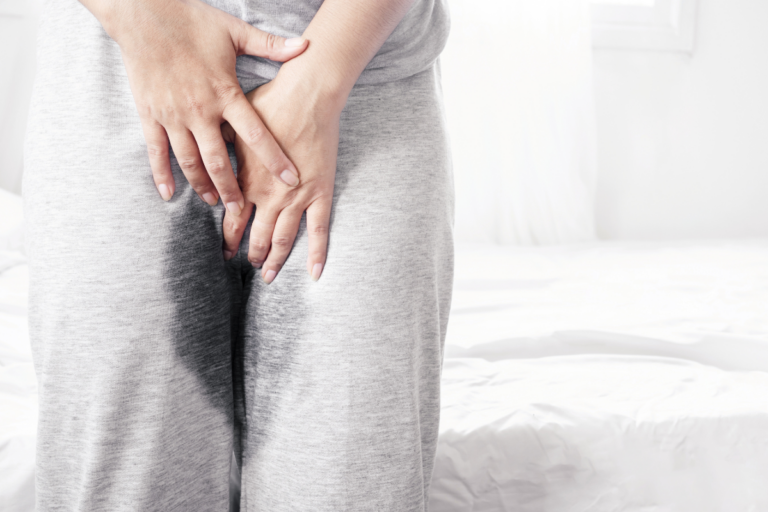
There is a quiet, widespread belief among women that at a certain age, after children, after menopause, and after “a lot of living,” bladder leaks just happen. You carry a pad. You know which restrooms are the cleanest. You skip the trampoline park with the grandkids. You don’t say anything to your doctor because, honestly, what would they even say? This is just…aging.
Using appropriate absorbent products and a gentle skin-care routine may help support skin integrity.
The medical community is clear: urinary incontinence is common, but it is not a normal or inevitable part of aging. The Mayo Clinic Health System states it directly that “although urine incontinence is common, it’s not normal.” The condition has causes, those causes have treatments, and those treatments, for many women, work remarkably well.
Bladder Health and Longevity: What Your Symptoms Are Trying to Tell You
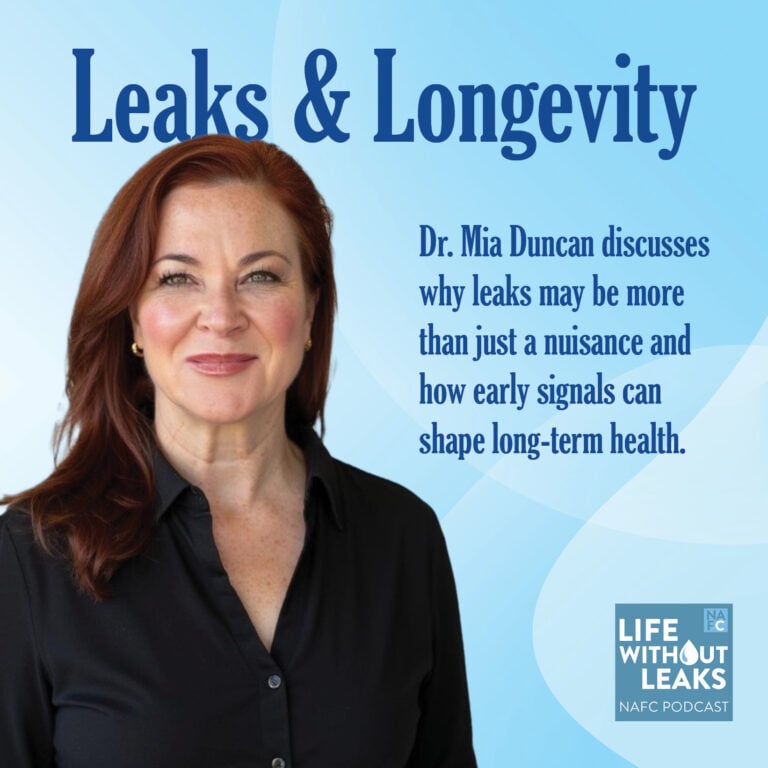
In this episode of Life Without Leaks, we sit down with Dr. Mia Duncan, a dual board-certified urologist and urogynecologist, to explore the connection between bladder health and longevity.
Dr. Duncan explains why incontinence is often just the “tip of the iceberg,” and how early bladder symptoms can signal broader health issues. From root-cause diagnosis and bladder diaries to sleep disruption, UTIs, and prevention strategies, this conversation offers practical insights to help listeners take control of their health, now and for the long term.
To learn more about Dr. Duncan and Columbus Urogynecology, visit here.
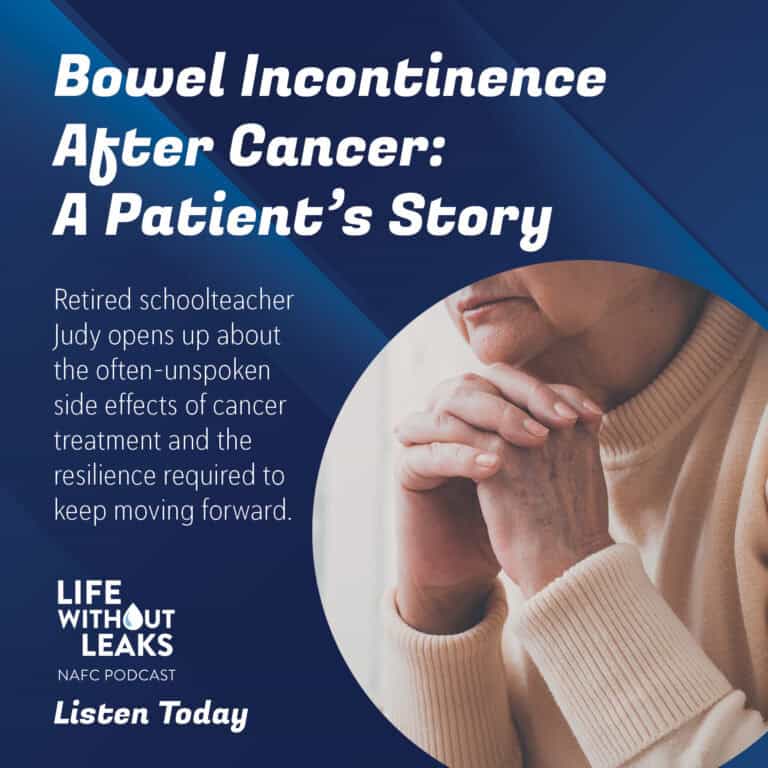
Bowel Incontinence After Cancer: A Patient’s Story
In this episode of Life Without Leaks, retired schoolteacher Judy opens up about the often-unspoken side effects of cancer treatment and the resilience required to keep moving forward.
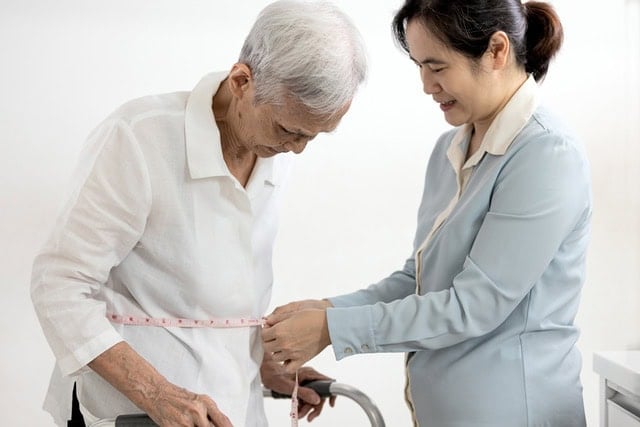
How to Measure for Adult Diapers and Pull-Ons
Poorly fitting incontinence products can cause frustrating leakage issues. It’s essential to determine the best fit for the wearer, keeping in mind that different brands of disposable incontinence products vary very differently in their sizing. You might be size large in one brand, and a completely different size in another.
This article will help you find the best fit for your specific needs:

Managing Overnight Incontinence for a Better Night’s Sleep
A good night’s sleep plays an important role in maintaining overall health, comfort, and emotional well-being. For individuals managing incontinence, nighttime can sometimes feel uncertain. Overnight leaks may interrupt sleep, create concern about bedding or clothing, and make mornings feel more stressful than restful. These experiences are common, and they are something many adults navigate at different stages of life.

Incontinence & Intimacy: Reconnecting After Bladder Leaks
For many people, sex and intimacy is about far more than physical closeness. It’s about confidence, connection, vulnerability, and feeling comfortable in your own body.
When urinary incontinence enters the picture, those feelings can quietly change.
While often discussed as a physical condition, incontinence can deeply affect emotional well-being and romantic relationships, something many people experience but few talk about openly.
Incontinence & Intimacy: Reconnecting After Bladder Leaks
For many people, sex and intimacy is about far more than physical closeness. It’s about confidence, connection, vulnerability, and feeling comfortable in your own body.
When urinary incontinence enters the picture, those feelings can quietly change.
While often discussed as a physical condition, incontinence can deeply affect emotional well-being and romantic relationships, something many people experience but few talk about openly.

The Financial Impact of Incontinence: Costs You May Not See
Incontinence is often discussed in terms of symptoms and quality of life but for many people, it also brings a steady (and sometimes surprising) financial burden. Beyond the obvious cost of pads, protective underwear, and skin-care products, there can be added expenses from laundry, missed work, caregiving needs, and medical visits. The good news: understanding where the costs come from is the first step toward reducing them—and getting the right treatment can be a cost-saver, not just a health improvement.

Speaking Up About Incontinence
For many people living with bladder leaks, the hardest part isn’t the symptoms themselves.
It’s deciding to talk about them.
Bladder leaks can feel too small to mention, too embarrassing to explain, or not “serious enough” to justify a doctor’s visit. Many people quietly manage symptoms for years—adjusting their routines, limiting activities, and hoping things don’t get worse.
If this sounds familiar, you’re not alone. And you’re not wrong for feeling this way.
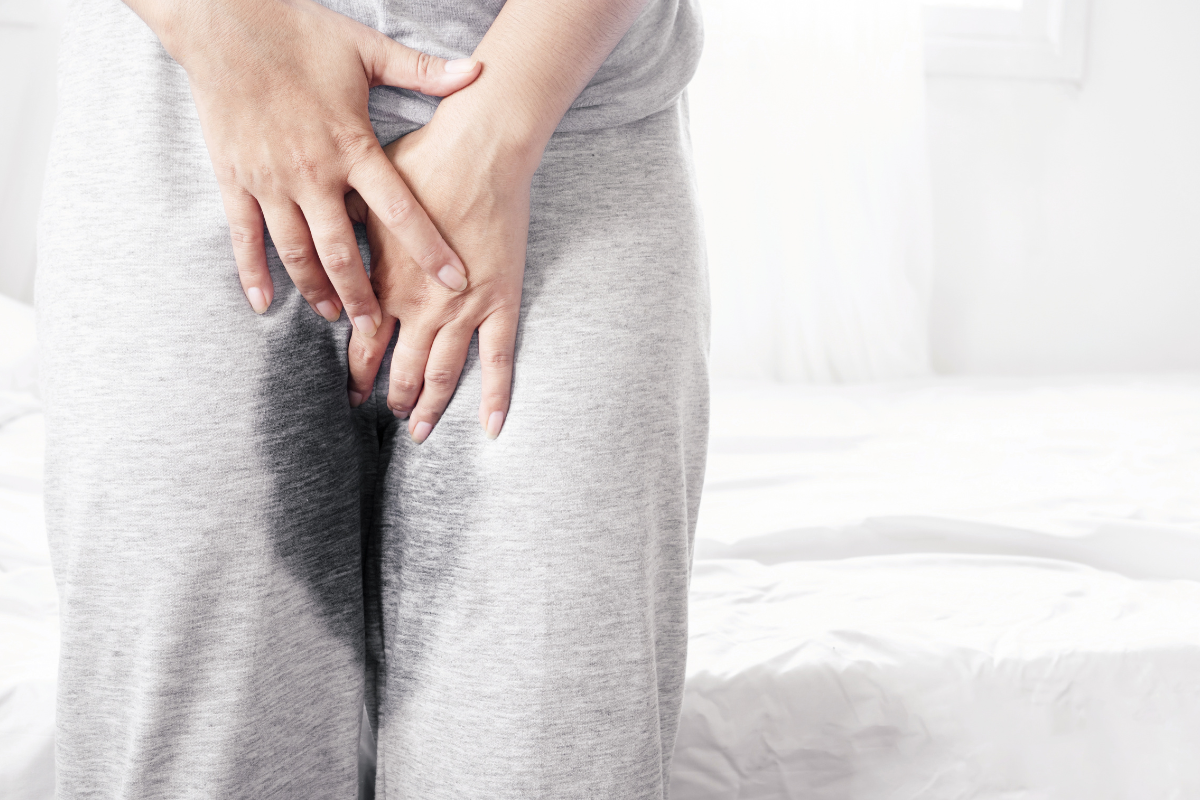
Is Bladder Leakage a Normal Part of Aging?
There is a quiet, widespread belief among women that at a certain age, after children, after menopause, and after “a lot of living,” bladder leaks just happen. You carry a pad. You know which restrooms are the cleanest. You skip the trampoline park with the grandkids. You don’t say anything to your doctor because, honestly, what would they even say? This is just…aging.
Using appropriate absorbent products and a gentle skin-care routine may help support skin integrity.
The medical community is clear: urinary incontinence is common, but it is not a normal or inevitable part of aging. The Mayo Clinic Health System states it directly that “although urine incontinence is common, it’s not normal.” The condition has causes, those causes have treatments, and those treatments, for many women, work remarkably well.
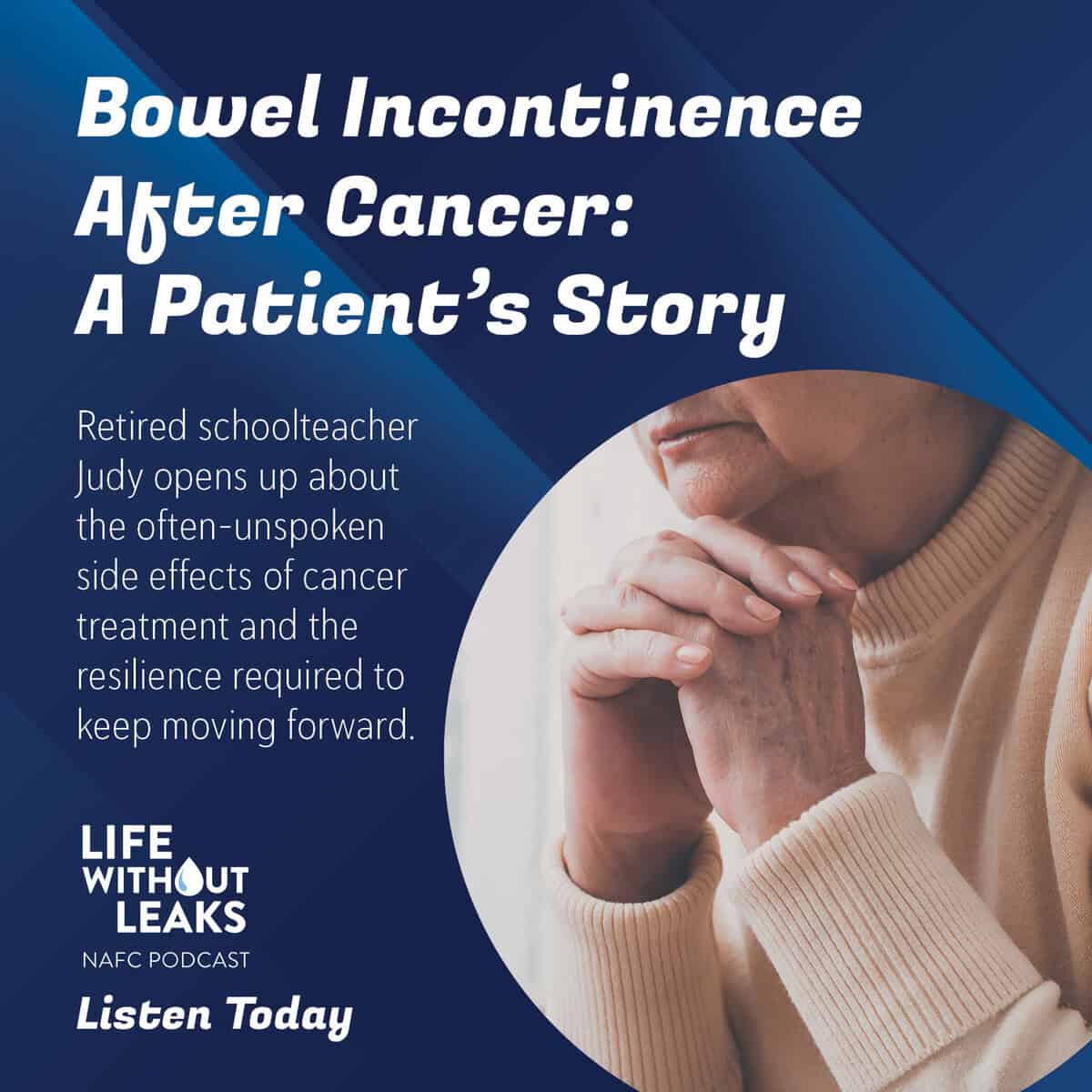
Bowel Incontinence After Cancer: A Patient’s Story
In this episode of Life Without Leaks, retired schoolteacher Judy opens up about the often-unspoken side effects of cancer treatment and the resilience required to keep moving forward.
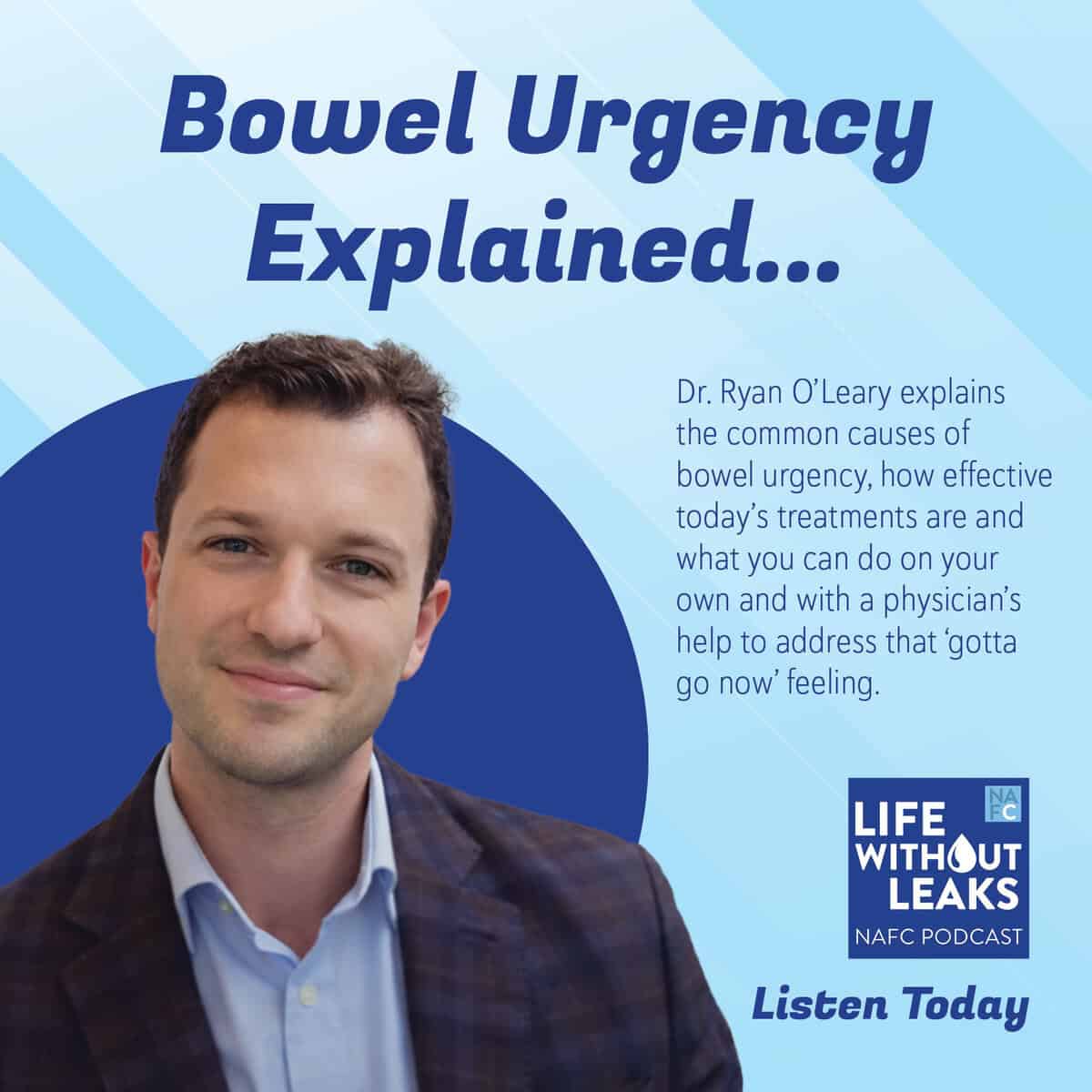
Bowel Urgency Explained: What It Means And What To Do About It
In this episode of Life Without Leaks, Dr. Ryan O’Leary explains the common coauses of bowel urgency, how effective today’s treatments are and what you can do on your own and with a physician’s help to address that ‘gotta go now’ feeling.