UTI and Your Period: What You Need to Know
If you menstruate, experiencing a UTI while on your period can be an uncomfortable experience.
While a menstrual period may bring pain, pelvic pressure, and make you feel like
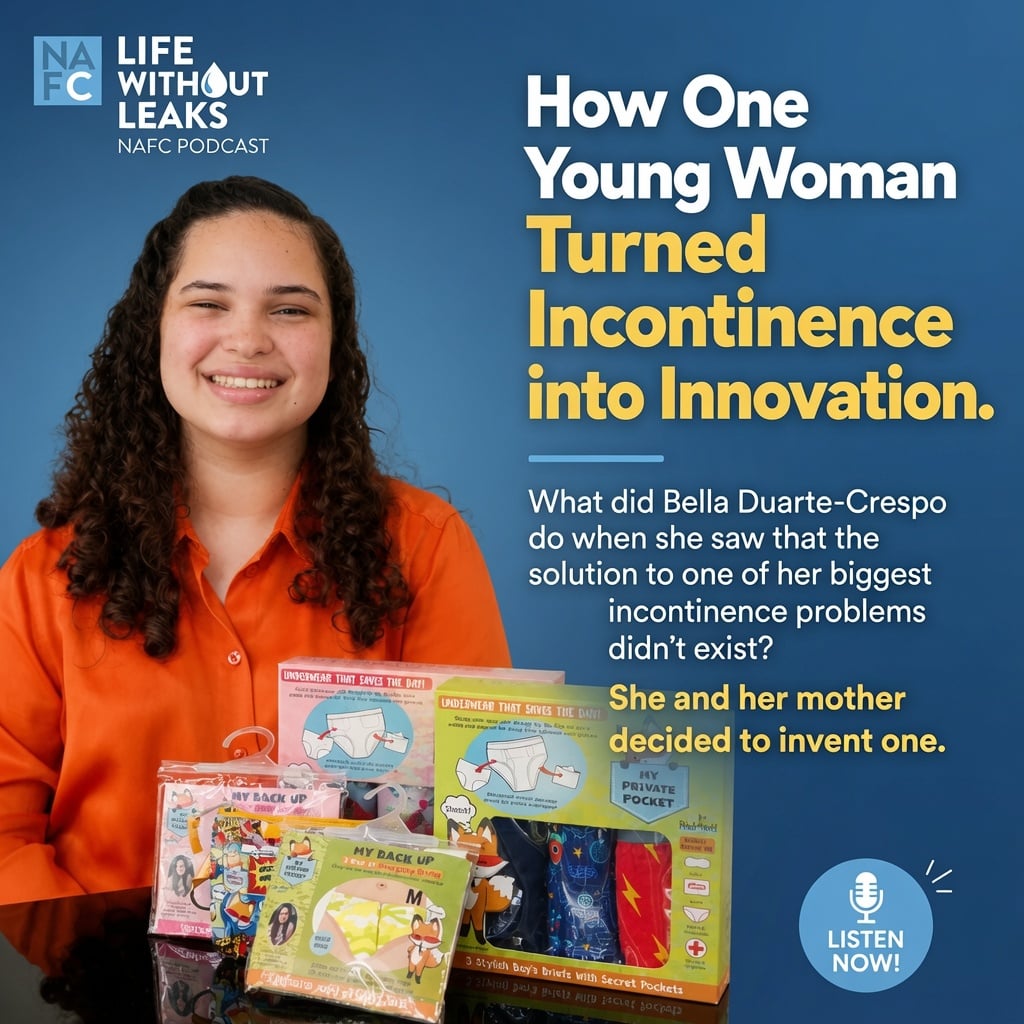
How One Young Woman Turned Incontinence Into Innovation
Growing up with spina bifida meant Bella Duarte-Crespo faced challenges most children never have to think about, including managing bladder and bowel incontinence at school. When she and her mother

Bladder & Urological Cancer Awareness: What You Need to Know
When it comes to cancer awareness, conditions such as breast, lung, and colorectal cancer often receive the most attention. Yet cancers of the urinary tract and male reproductive system—collectively known

Improve Your Gut, Reduce Your Bladder Leaks?
You’ve likely been hearing more and more about how important gut health is to the body. But what does “gut health” even mean? And could

Speaking Up About Incontinence
For many people living with bladder leaks, the hardest part isn’t the symptoms themselves.
It’s deciding to talk about them.
Bladder leaks can feel too small to mention, too embarrassing to explain, or not “serious enough” to justify a doctor’s visit. Many people quietly manage symptoms for years—adjusting their routines, limiting activities, and hoping things don’t get worse.
If this sounds familiar, you’re not alone. And you’re not wrong for feeling this way.

How to Measure for Adult Diapers and Pull-Ons
Poorly fitting incontinence products can cause frustrating leakage issues. It’s essential to determine the best fit for the wearer, keeping in mind that different brands of disposable incontinence products vary very differently in their sizing. You might be size large in one brand, and a completely different size in another.
This article will help you find the best fit for your specific needs:

We Count! A new campaign to help women with incontinence
Did you realize that half of all women will experience incontinence? Or that more people have incontinence than either diabetes or heart disease? As alarming as those figures are, incontinence is still something that too few people are willing to talk about, and the end result is that millions suffer in silence – often for years and years – even though there are treatments that can work wonders for them.
That’s why NAFC is introducing the We Count campaign.

The Financial Impact of Incontinence: Costs You May Not See
Incontinence is often discussed in terms of symptoms and quality of life but for many people, it also brings a steady (and sometimes surprising) financial burden. Beyond the obvious cost of pads, protective underwear, and skin-care products, there can be added expenses from laundry, missed work, caregiving needs, and medical visits. The good news: understanding where the costs come from is the first step toward reducing them—and getting the right treatment can be a cost-saver, not just a health improvement.

How To Relax Your Pelvic Floor Muscles
Sure, you know all about Kegels and the importance of strengthening the pelvic floor. But did you know that it’s just as important to know