





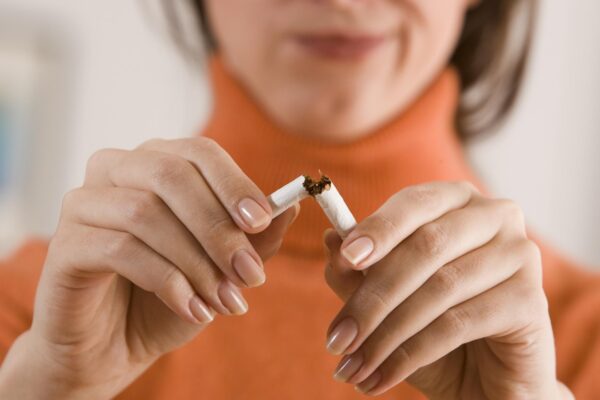
How Smoking Contributes To Incontinence
This article explores the surprising link between smoking and incontinence. It explains how smoking can weaken pelvic muscles, leading to stress incontinence, and irritate the bladder, causing frequent urination.

Ask The Doc: What’s The Best Pelvic Floor Product For Bladder Leaks?
Question: I know there are lots of pelvic floor products on the market. How do I know which pelvic floor product is best for getting

“Do I tell somebody before a first date that I pee myself?” One patient’s surprising journey to drier days.
There’s a misconception out there that incontinence is usually something that happens as you get older. Hannah is here to tell us that it’s something that can happen at any age. She shares her story about how she developed severe overactive bladder after a surgery in her early 30s, how it nearly derailed her career, and how she finally found relief after she had nearly given up hope.
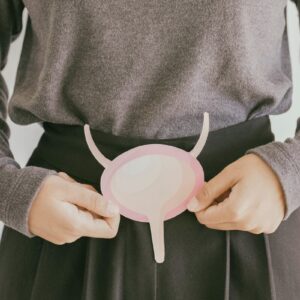
Overactive Bladder (OAB): Understanding Third-Line Therapies for Management
Overactive Bladder (OAB) is a common condition that affects millions of people worldwide, leading to symptoms such as frequent and urgent urination, nocturia (waking up at night to urinate), and sometimes even urinary incontinence. While OAB can significantly impact a person’s quality of life, many individuals can manage symptoms effectively with a combination of lifestyle changes, medications, and behavioral therapies. However, for those whose symptoms remain resistant to first- and second-line treatments, third-line therapies may offer additional options for relief.
