


Dr. Holton is certified by the American Board of Urology and is licensed in the state of Maryland. She is clinically focused on the care of women’s urological and pelvic floor health and has served as the president of her group, Anne Arundel Urology, for the past four years. She is also the founder and director of the Women’s Wellness Center at Anne Arundel Urology.
A longstanding member of LUGPA, Dr. Holton has been active on the Health Policy and Political Affairs and LUGPA Forward committees. Locally, she is an ongoing participant in lobbying and advocacy work with the Maryland Patient Care and Access Coalition (MPCAC) and is also a member of the American Urological Association.
“We’re thrilled to welcome Dr. Holton to the board as she brings a diverse perspective with an impressive background spanning the gamut of urological care,” said Celeste Kirschner, chief executive officer of LUGPA. “Dr. Holton’s passion for serving her patients shines through in her work and we look forward to seeing that same passion applied to our board.”
Dr. Holton graduated from Temple University School of Medicine in 2001. She received her surgical and urology training at the University of Maryland Medical Center.



Severe Ulcerative Colitis at 26: Olivia’s Fight for Remission
In this deeply personal episode of Life Without Leaks, we speak with Olivia about her life-altering battle with severe ulcerative colitis.
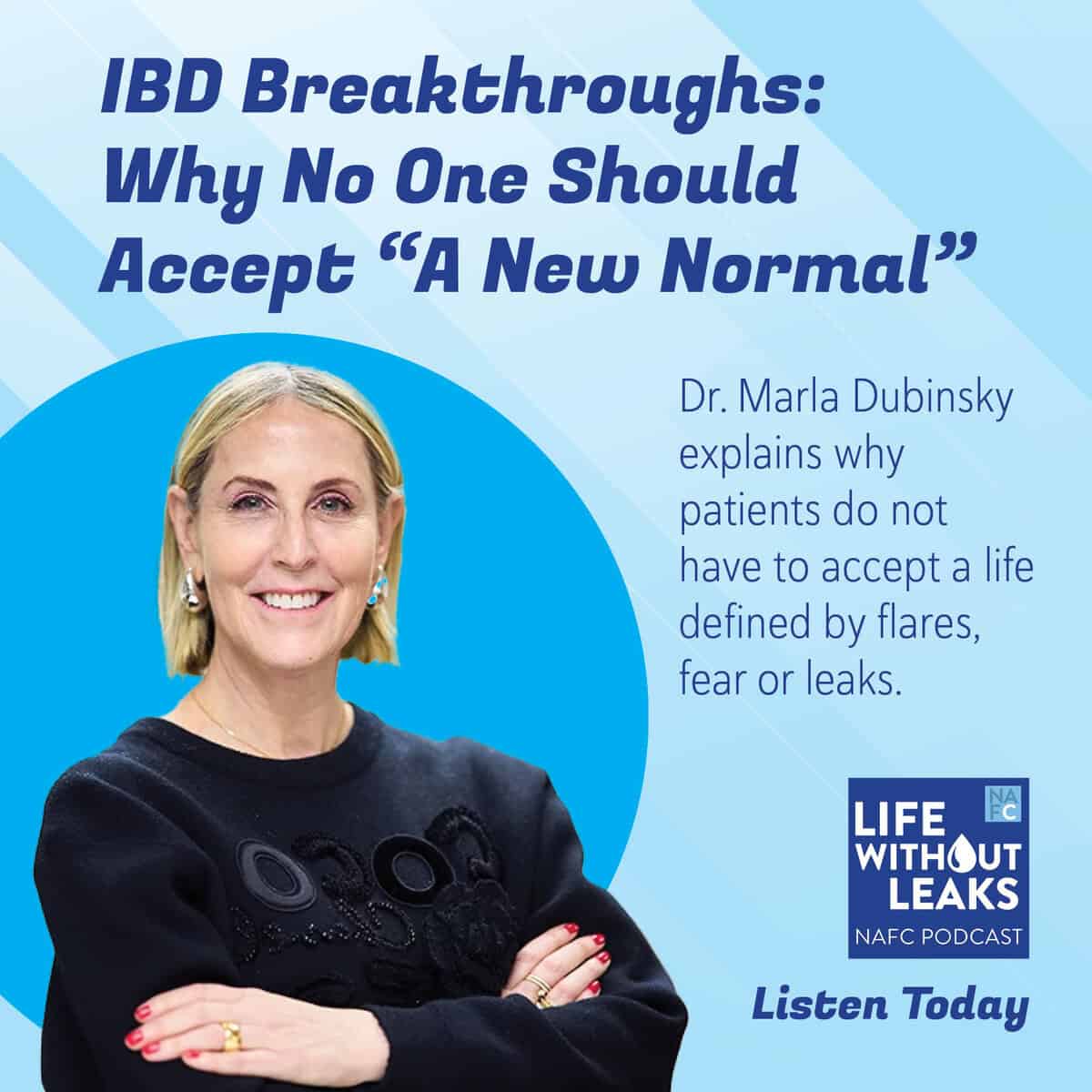
IBD Breakthroughs: Why No One Should Accept a ‘New Normal
In this powerful episode of Life Without Leaks, we welcome world-renowned IBD expert Dr. Marla Dubinsky of Mount Sinai to discuss the rapidly evolving landscape of Crohn’s disease and ulcerative colitis treatment.
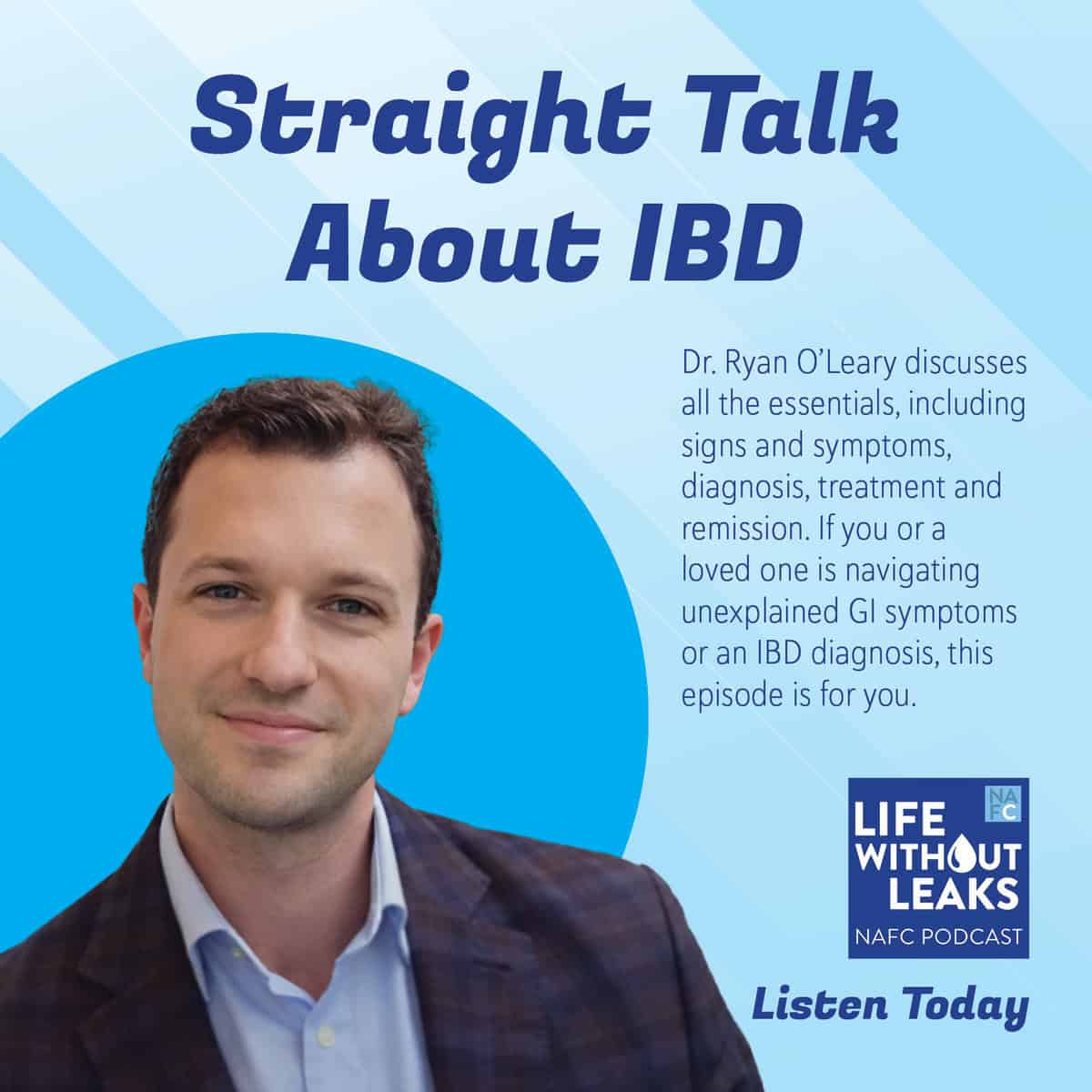
Understanding IBD: From Diagnosis to Remission… What You Need to Know – Copy
In this episode of Life Without Leaks, we’re joined by Dr. Ryan O’Leary, advanced fellow in inflammatory bowel disease, for a deep dive into inflammatory bowel disease (IBD).
Dr. O’Leary breaks down what sets Crohn’s disease and ulcerative colitis apart from other digestive conditions, explaining how IBD can affect patients at any age, from early childhood to later adulthood, and why diagnosis can sometimes be delayed. He explores the complexity of inflammation, the role of the immune system and how IBD can impact far more than the gut, including joints, skin, eyes and mental health.
The conversation also covers realistic treatment goals, the expanding range of medications available today, dietary considerations, when surgery becomes part of care and why personalized treatment plans are essential. Importantly, Dr. O’Leary addresses the emotional toll of living with a chronic condition and emphasizes the importance of persistence, advocacy and specialist care.
If you or a loved one is navigating unexplained GI symptoms or an IBD diagnosis, this episode offers clarity, reassurance and a hopeful look at what’s possible with modern care.
Learn more about a wide range of bowel conditions and get free resources here.

Severe Ulcerative Colitis at 26: Olivia’s Fight for Remission
In this deeply personal episode of Life Without Leaks, we speak with Olivia about her life-altering battle with severe ulcerative colitis.
