





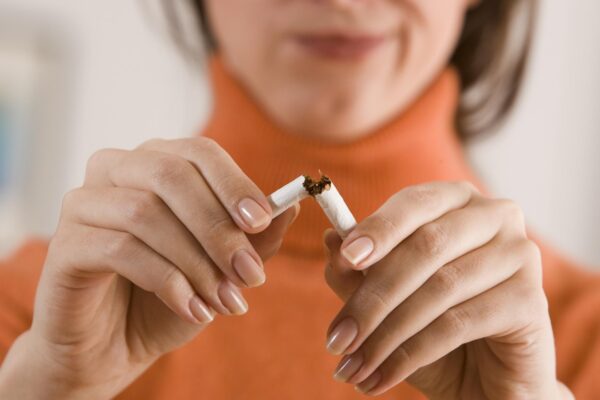
How Smoking Contributes To Incontinence
This article explores the surprising link between smoking and incontinence. It explains how smoking can weaken pelvic muscles, leading to stress incontinence, and irritate the bladder, causing frequent urination.

Bladder Cancer in the News – What You Need to Know
With the recent announcement by Deion Sanders, hall of fame NFL player and current head coach for the University of Colorado Buffaloes, that he is undergoing treatment for bladder cancer, we’ve been seeing a significant increase in interest about the disease. Today’s guest is Dr. Bradley Gill, chief of surgery at Cleveland Clinic Hillcrest and Mentor Hospitals and a board-certified urologist, to help us understand the condition, its causes, treatment options and potential outcomes.

What Is A Pelvic Floor PT And How Can One Help Me?
Barbara Jennings was 6 weeks postpartum when she realized that something wasn’t right. “I had been feeling some pressure in my vagina for a while,

The hidden side of incontinence: Mental health challenges
When most people think about the symptoms of incontinence, they think about physical things like urgency and leaks. But what’s every bit as real – and every bit as troubling – are the mental health symptoms that so many patients live with. Incontinence is significantly associated with depression, anxiety and other mental issues, and addressing them can be a particular challenge.
Today’s guest is Tina Harris from Tenderheart Health Outcomes, here to share with us important information that the team at Tenderheart has learned about mental health from their research and patient surveys. She discusses what patients and caregivers commonly experience and offers strategies to help lighten the mental burden.