

Understanding IBD: From Diagnosis to Remission… What You Need to Know – Copy
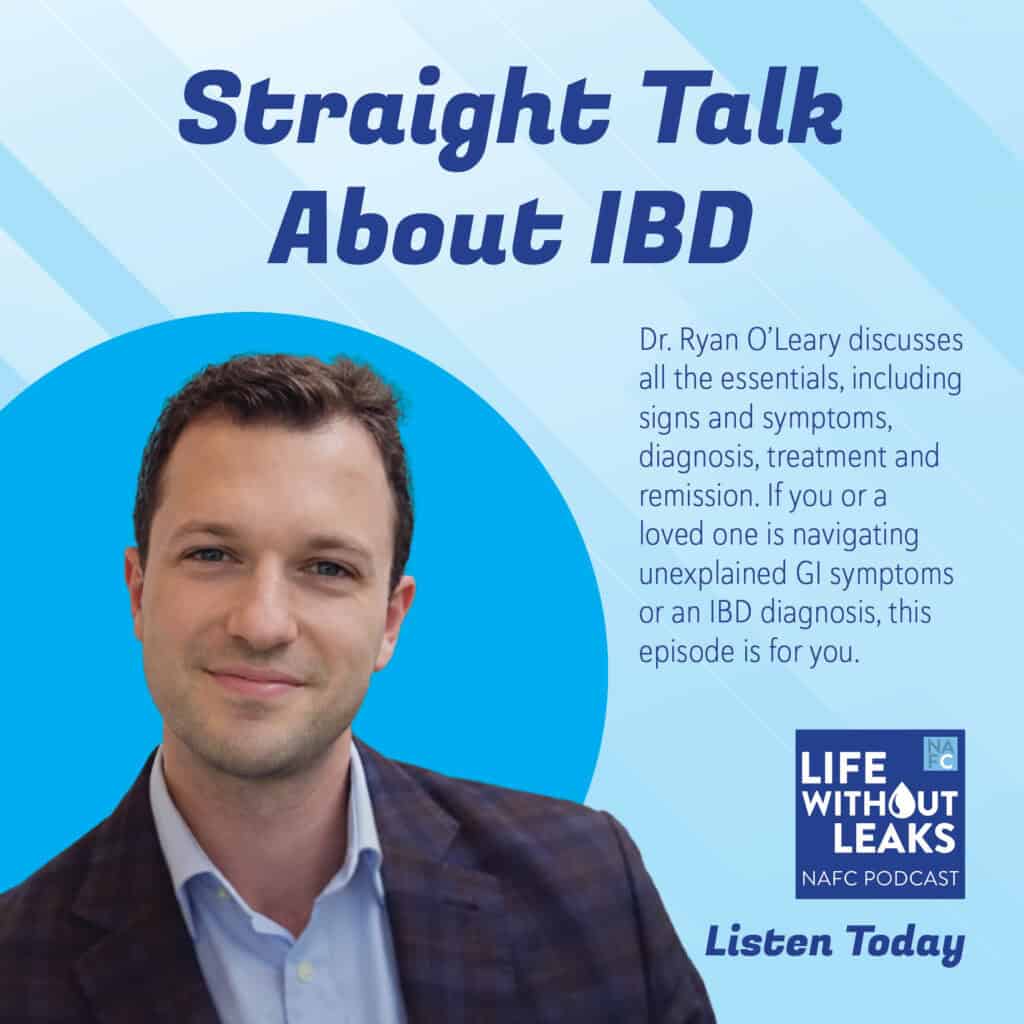
In this episode of Life Without Leaks, we’re joined by Dr. Ryan O’Leary, advanced fellow in inflammatory bowel disease, for a deep dive into inflammatory bowel disease (IBD).
Dr. O’Leary breaks down what sets Crohn’s disease and ulcerative colitis apart from other digestive conditions, explaining how IBD can affect patients at any age, from early childhood to later adulthood, and why diagnosis can sometimes be delayed. He explores the complexity of inflammation, the role of the immune system and how IBD can impact far more than the gut, including joints, skin, eyes and mental health.
The conversation also covers realistic treatment goals, the expanding range of medications available today, dietary considerations, when surgery becomes part of care and why personalized treatment plans are essential. Importantly, Dr. O’Leary addresses the emotional toll of living with a chronic condition and emphasizes the importance of persistence, advocacy and specialist care.
If you or a loved one is navigating unexplained GI symptoms or an IBD diagnosis, this episode offers clarity, reassurance and a hopeful look at what’s possible with modern care.
Learn more about a wide range of bowel conditions and get free resources here.
No One Believed Me: One Man’s Fight for a Crohn’s Diagnosis – and Recovery

In this gripping episode of Life Without Leaks, we speak with John, a law enforcement officer, father of two and competitive strongman, about his harrowing journey to a Crohn’s disease diagnosis.
From Pain ‘Like Lava’ to Remission: Living Fully with Crohn’s Disease

In this moving patient story, we speak with Gerri, a Crohn’s patient, about her journey from debilitating digestive symptoms to complete remission.
Gerri shares what it was like to live in New York City while navigating relentless urgency, severe abdominal pain she describes as “hot lava,” and the constant need to locate the nearest restroom. After months of worsening symptoms and a turning point moment with her mom, she sought specialist care, leading to bloodwork, testing, colonoscopy and, ultimately, a diagnosis.
IBD Demystified: Understanding the Symptoms, Diagnosis and Treatment
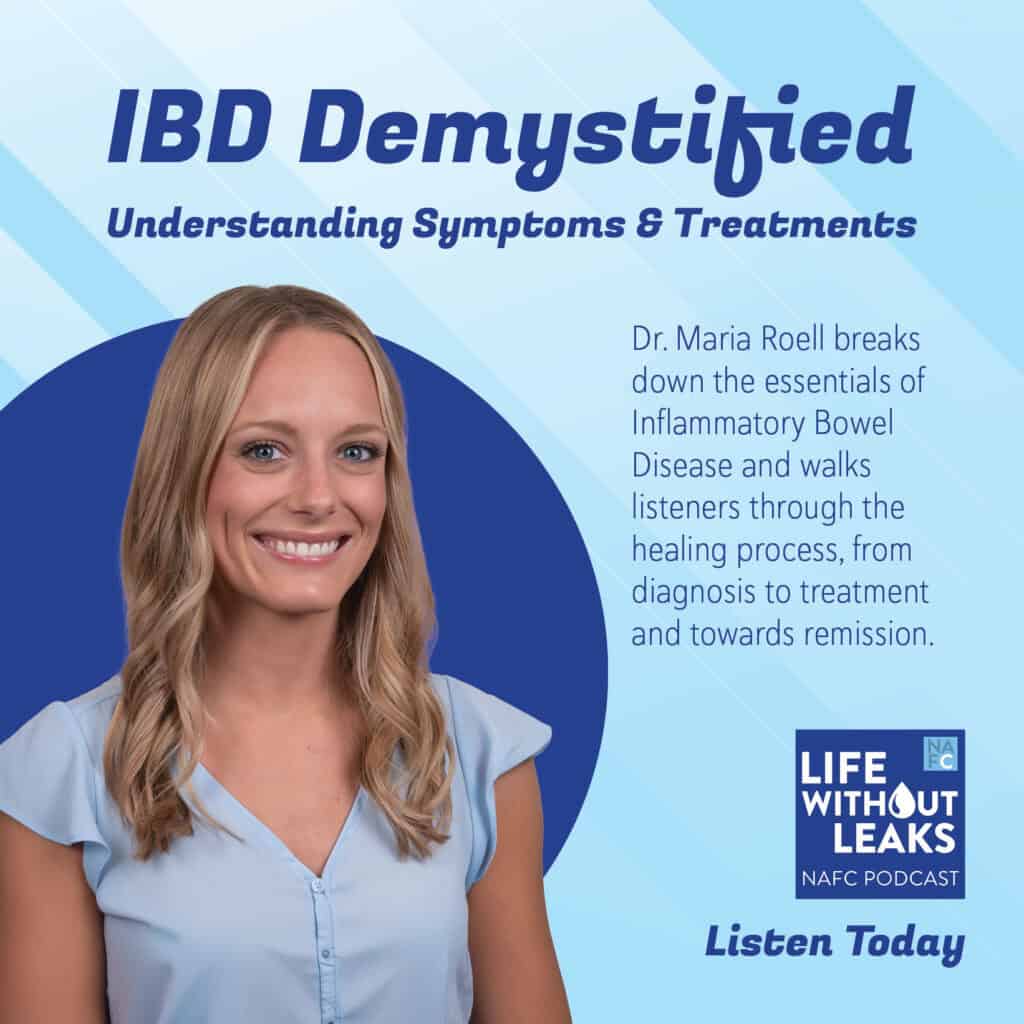
In this episode of Life Without Leaks, we sit down with Dr. Maria Roell, an internal medicine resident specializing in gastroenterology, to break down the essentials of inflammatory bowel disease.
Ask The Expert: Why Do I Experience More Incontinence at Night Than During the Day?

Many people notice that bladder control feels more difficult at night than during the day. Nighttime incontinence, also called nocturia, common experience for adults of many ages and health backgrounds. While it can feel frustrating or even isolating, it is important to know that this situation is more common than many people realize. Nighttime symptoms can feel especially challenging because they interrupt sleep, affect comfort, and may create worry about leaks while resting. Understanding why nighttime incontinence happens and what can help manage it can make a meaningful difference in both sleep quality and confidence. Understanding Nighttime Incontinence Nighttime incontinence refers to unintentional urine leakage that occurs while sleeping. It can show up in several ways, including waking frequently to urinate, bedwetting, or leaking during sleep without waking. These experiences are often connected to normal changes in the body during rest. During the day, the body is more alert to bladder signals, and muscles are actively engaged in maintaining control. At night, several natural processes shift, which can increase the likelihood of leaks for some individuals.
Answers to your questions about urge incontinence and neuromodulation
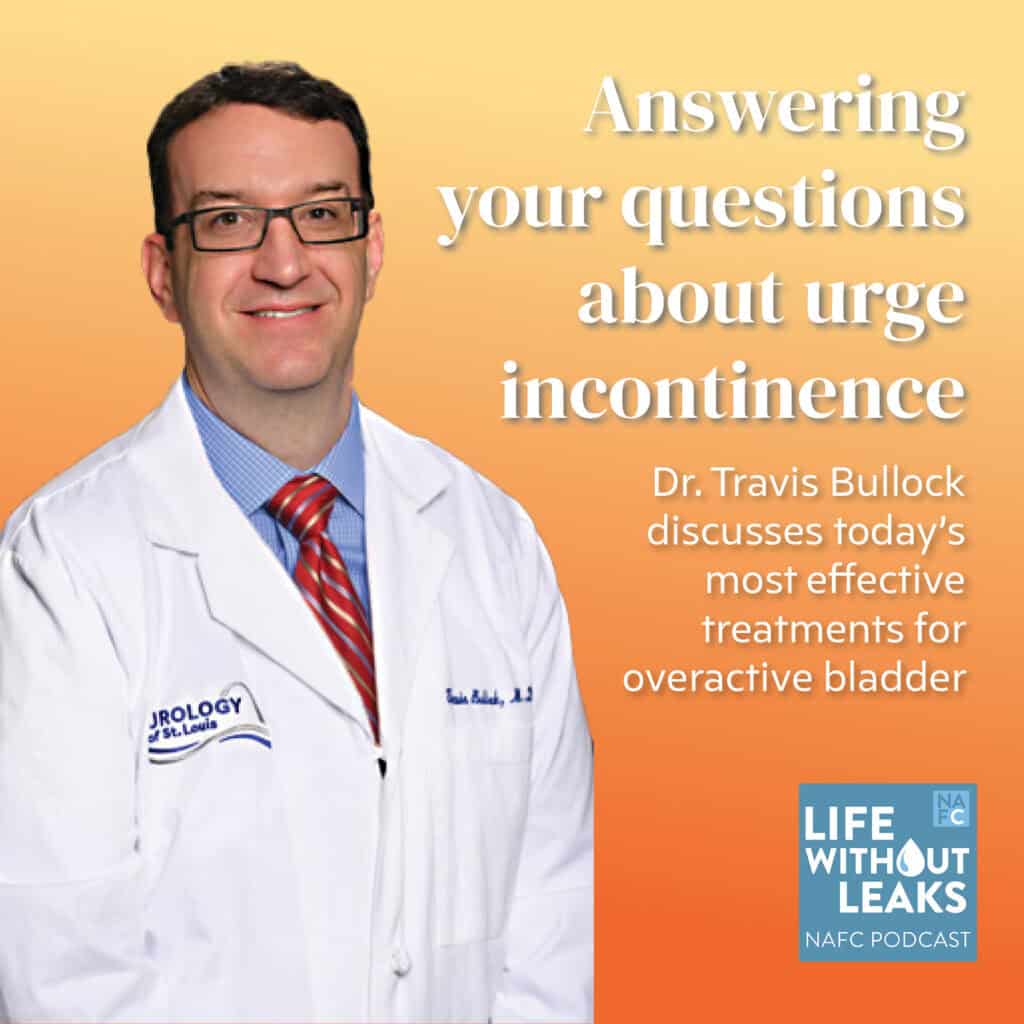
Urgency, frequent bathroom trips and unexpected leaks can disrupt daily life, but they’re more treatable than many people realize. Dr. Travis Bullock joins Life Without Leaks to answer questions from his recent webinar, explain the difference between overactive bladder and other forms of incontinence, and discuss new therapies like neuromodulation that can help restore bladder control and quality of life.
For more information about the National Association for Continence, click here, and be sure to follow us on Facebook, Instagram and Pinterest.
Managing Overnight Incontinence for a Better Night’s Sleep

A good night’s sleep plays an important role in maintaining overall health, comfort, and emotional well-being. For individuals managing incontinence, nighttime can sometimes feel uncertain. Overnight leaks may interrupt sleep, create concern about bedding or clothing, and make mornings feel more stressful than restful. These experiences are common, and they are something many adults navigate at different stages of life.
Incontinence & Intimacy: Reconnecting After Bladder Leaks

For many people, sex and intimacy is about far more than physical closeness. It’s about confidence, connection, vulnerability, and feeling comfortable in your own body.
When urinary incontinence enters the picture, those feelings can quietly change.
While often discussed as a physical condition, incontinence can deeply affect emotional well-being and romantic relationships, something many people experience but few talk about openly.
The Financial Impact of Incontinence: Costs You May Not See

Incontinence is often discussed in terms of symptoms and quality of life but for many people, it also brings a steady (and sometimes surprising) financial burden. Beyond the obvious cost of pads, protective underwear, and skin-care products, there can be added expenses from laundry, missed work, caregiving needs, and medical visits. The good news: understanding where the costs come from is the first step toward reducing them—and getting the right treatment can be a cost-saver, not just a health improvement.
Speaking Up About Incontinence

For many people living with bladder leaks, the hardest part isn’t the symptoms themselves.
It’s deciding to talk about them.
Bladder leaks can feel too small to mention, too embarrassing to explain, or not “serious enough” to justify a doctor’s visit. Many people quietly manage symptoms for years—adjusting their routines, limiting activities, and hoping things don’t get worse.
If this sounds familiar, you’re not alone. And you’re not wrong for feeling this way.
Incontinence by the Numbers

How common it is, why it’s increasing, and what an aging population means for patients and families
Incontinence is often treated as something people should keep private — but the reality is that it’s extremely common, and it affects millions of Americans every day.
As our population ages, especially with Baby Boomers entering older adulthood, more people are living with bladder and bowel control problems. That means more patients seeking answers, more caregivers providing support, and greater impact on families and the healthcare system.
Understanding the numbers helps reduce stigma — and reminds people that they are not alone and help is available.
You DON’T have to leak after prostate cancer treatment
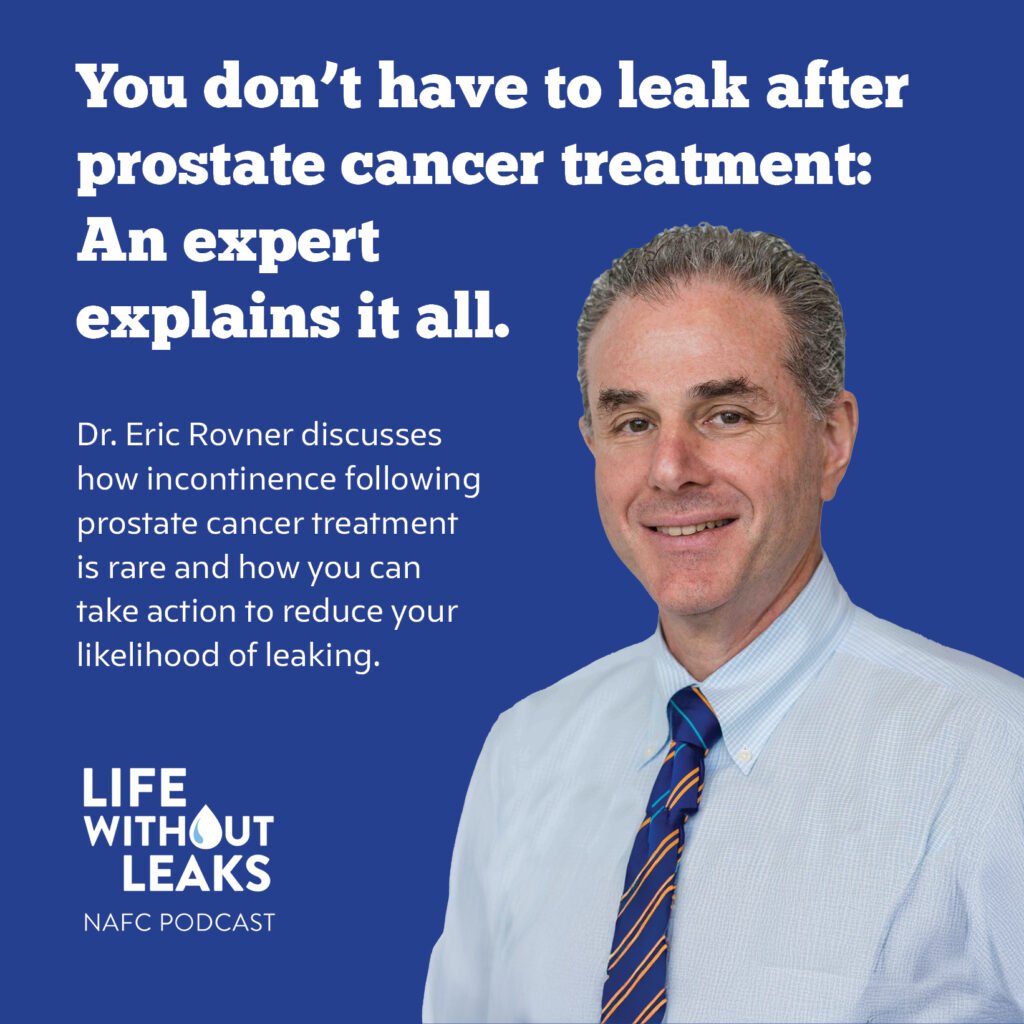
In this episode, Dr. Eric Rovner addresses a common fear that men have about prostate cancer treatment: incontinence. Drawing on his clinical experience, Dr. Rovner explains that treatment does not automatically mean a lifetime of bladder leakage. In fact, only a small percentage of patients experience long-lasting symptoms. He discusses why temporary changes in bladder control can occur, what factors influence recovery and – most importantly – what men can do before and after treatment to reduce their risk and regain control. Our conversation offers clarity, reassurance and actionable guidance for men navigating prostate cancer care.
